


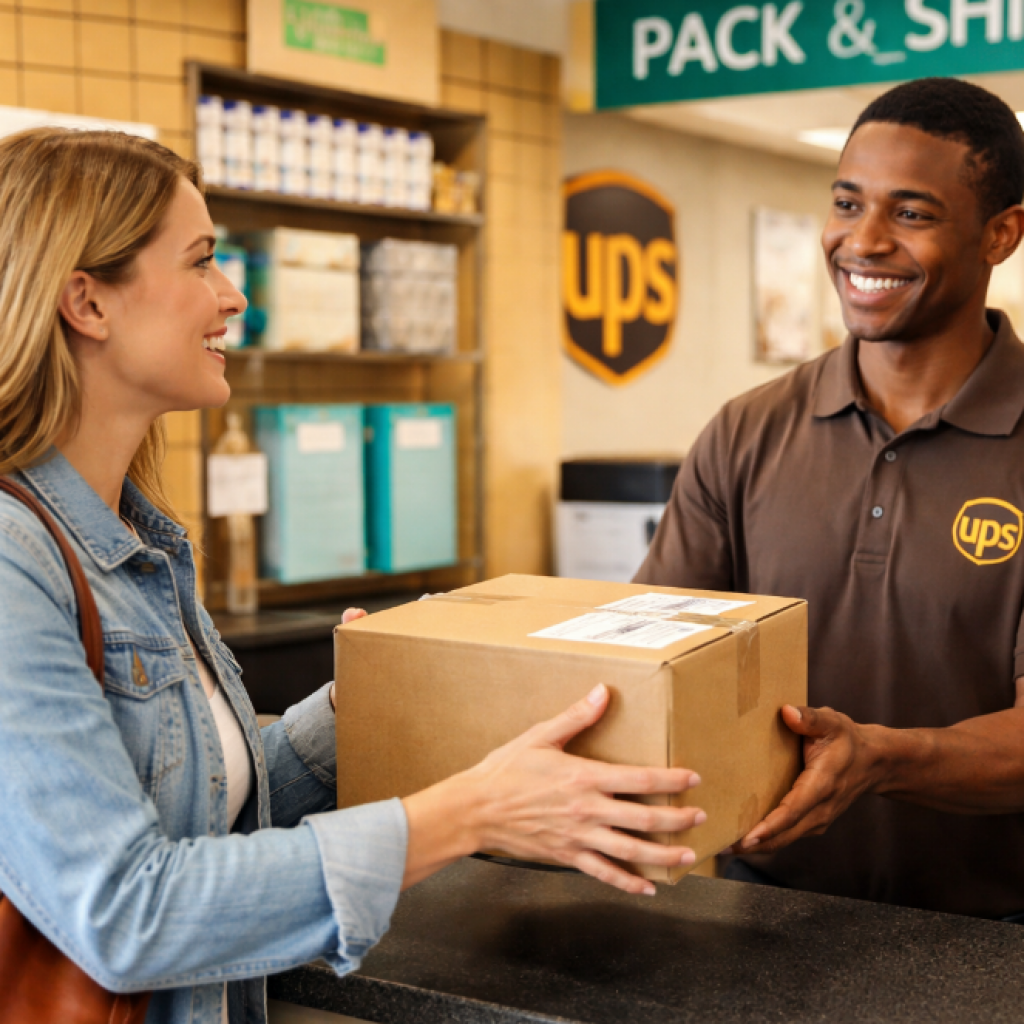
A Return Merchandise Authorization (RMA), such as a NetSuite RMA or a Magento RMA, is a seller’s formal approval that allows a customer to return a product for a refund, repair, or replacement.
“The post-purchase experience deserves a seat at the executive table because it affects both brand equity and margin. A better return process can reduce service volume while increasing customer confidence. Clearer shipping communication can lower inbound tickets while improving trust. Faster resolution can protect repeat purchases. Cleaner workflows can reduce stress on teams and make the business easier to scale.” Read Article on Forbes


Real-World Example: A Return in Action
Let’s say a customer orders a laptop case online. When it arrives, it doesn’t fit the device as expected. The customer contacts the online store’s support team. They review the request, approve the return, and send an RMA number with a pre-paid shipping label. The item is shipped back, received by the warehouse, and the customer is refunded.
That’s a textbook RMA process. It’s not just about sending something back; it’s about doing it in a way that’s trackable, approved, and part of a system that keeps things running smoothly.

Steps in an RMA Process
A clean, professional return process is more than good customer service; it’s part of your operations. Here’s what it typically looks like:
- Customer reports an issue or defect.
- Business reviews the request and approves or denies it.
- The RMA number and return instructions have been sent.
- The customer packages and ships the item.
- Warehouse receives and inspects the return.
- Refund, repair, or replacement is processed.
- The customer is notified of the final status.
Every step should be documented and trackable, especially at scale. The more orders you manage, the more this matters.


Why RMAs Are a Smart Strategy for Growing Stores
Returns are unavoidable. That’s not the problem. Poorly managed returns are.
As more customers shop across platforms like Amazon, Walmart Marketplace, and Shopify, expectations around returns are getting tighter. In ReadyCloud’s breakdown of marketplace return trends, returns are actually shaping buying decisions. Shoppers are 3x more likely to buy when they trust the return process.
What’s more, a frictionless return system builds loyalty. Buyers aren’t always thrilled to send something back, but if your team handles it quickly and clearly, you’ve just earned repeat business.
“The post-purchase experience shapes your brand just as much as what draws a customer to it before they buy. Branding or advertising begin to shape customer confidence, but the experience that follows checkout influences loyalty more.” Read Article on Fast Company


What Does a Great RMA Process Look Like?
It’s not enough to slap together a “Returns” page and call it good. A modern RMA process should be:
- Automated — Customers get their label instantly, no manual back-and-forth
- Branded — The return page matches your site, not a generic portal
- Transparent — Customers know what’s happening at every step
- Efficient — Warehouse teams aren’t chasing down paperwork
If your team is still issuing RMAs over email and manually entering data into spreadsheets, you’re probably feeling the cracks. It only takes a few return-related chargebacks or missing items to lose serious money. That’s why platforms like ReadyReturns are getting attention.
Does Your Business Actually Need an RMA System?
Not every team needs a full-scale RMA process, but more teams do than you’d think.
You probably need an RMA system if:
- You sell physical products online
- You offer warranties, repairs, or product exchanges
- You handle 50+ orders per week
- Your team spends too much time on return emails
- You’ve had returns go missing or processed incorrectly
On the other hand, if you’re selling one-off services or custom-made items that rarely get returned, you might not need a formal process.
Still, as your store scales, what used to be “a few emails” can become a drain on your operations.
RMA in 60 Seconds: Plain-English Return Flow
This short breakdown works great for your team or customers who need clarity on what actually happens with an RMA.
How Returns Work With an RMA System:
- You ask to return an item
- The store approves it and sends a return label + RMA number
- You ship it back
- They get the item, check it, and process your refund or exchange
- You get a confirmation, and you’re done
It’s not complicated when done right. But it is critical to make sure all five steps happen in order… with no guesswork.
What Features Matter Most in Enterprise Returns Software
If you’re evaluating platforms, make sure the solution includes the right set of features for large-scale operations. Look for:
Glossary: RMA Terms to Know
RMA Number – Unique ID for tracking a return through the system
Return Label – Shipping label, often prepaid, issued with the RMA
Restocking Fee – Charge applied to returned items, usually for opened or used goods
Return Window – The number of days a customer has to initiate a return
DOA (Dead on Arrival) – Product doesn’t function when received
Return Reason Code – A predefined reason chosen by the customer for returning
Reverse Logistics – The process of moving returned goods back to the seller
Advance Replacement – Sending a replacement item before receiving the returned one
Keeping these terms consistent across your team’s systems and customer communication helps reduce friction.
“A great e-commerce experience requires more than competitive prices, a robust selection of goods, fast shipping and easy returns … it takes them all. Today’s consumer mindset has changed. Services like Amazon Prime have set the bar at a higher level, with speedy delivery, low prices, a vast selection and hassle-free returns.”


Building a Smarter Returns Strategy for 2026 and Beyond
There’s no question that returns will keep increasing. Smart brands are preparing now.
The right returns strategy blends technology, policy, and experience. Prepaid labels, fast refunds, and self-service portals are becoming the standard. In-store returns for online purchases are growing, especially for omnichannel brands.
At the same time, sustainability is under the microscope. Customers want greener options, but retailers can’t afford to raise costs. Smart software helps route returns more efficiently, reduce unnecessary shipments, and track product lifecycle data.
It all adds up to a system that’s smarter, leaner, and built to scale. Want to see what the future looks like? Here’s a closer look at current marketplace return strategies and how to build a smart return policy that delivers.
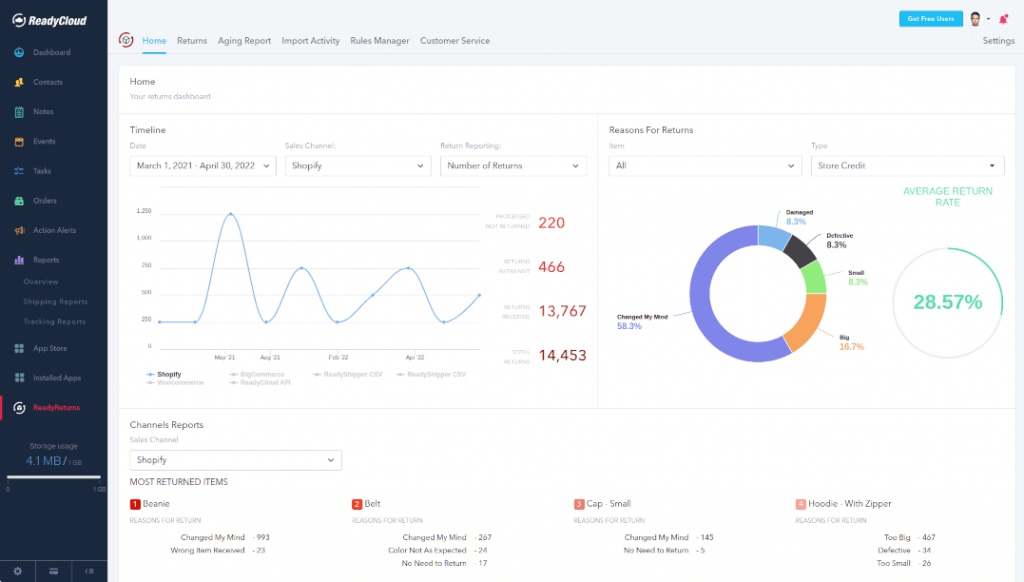

Final Thoughts: A Return Policy Is Not Enough
If you’re serious about scaling, or even just keeping returns from becoming a daily headache, a defined RMA system is a must. It’s not just about policy. It’s about the tools, communication, and speed behind that policy.
Customer retention starts after the sale. A solid RMA process proves that your brand values service — even when something goes wrong.
Making Returns Work for You
Returns are no longer a back-office task. They are a strategic part of your business that affects revenue, retention, and reputation. With the right retail returns software, you can take control of this process, cut operational waste, and create a better customer experience from start to finish.
This is not just about logistics. It is about growing smarter, faster, and more customer-friendly every step of the way.
Find Out How You Can Make Returns Hassle-Free
Want to make your returns process more profitable? Let ReadyReturns show you how to make smarter, faster, data-driven return decisions. See how easy it is to add branded returns portals to your site and reduce your return rate from the inside out. Schedule your demo today.
Frequently Asked Questions About RMA
What does RMA stand for?
RMA stands for Return Merchandise Authorization. It’s a formal approval issued by a seller that allows a customer to return a product for a refund, repair, or replacement.
How do I get an RMA number?
To get an RMA number, you typically need to contact the store’s customer service, explain the issue with your product, and wait for them to approve the return. Once approved, they’ll send a return label and RMA number.
Why is an RMA number important?
An RMA number helps track your return throughout the process. It ties the return to your original order and ensures that the warehouse knows what to do with the item once it arrives.
Is an RMA required for all returns?
Not always. Some stores let customers return items without an RMA, but this often leads to confusion, missing returns, or delays. Most businesses prefer using RMAs to keep things organized and efficient.
What happens if I return something without an RMA?
If a return shows up without an RMA number, the business might not process it. It could be delayed, rejected, or even lost in the warehouse.
Can an RMA be denied?
Yes. A business can deny an RMA request if the item is outside the return window, damaged due to customer misuse, or not eligible based on the company’s return policy.
How long does it take to process an RMA?
Once the return is received, most RMAs are processed within 3–7 business days. That includes inspection and issuing a refund or sending a replacement.
What’s the difference between an RMA and a return policy?
A return policy outlines what customers can return and under what conditions. An RMA is the actual process of approving and tracking a specific return.
Do RMAs apply to digital products or services?
Usually not. RMAs are most common for physical products. Services and digital goods often have their own refund processes, without requiring shipping anything back.
What is RMA software?
RMA software helps automate and manage the return process. It lets customers request returns online, creates shipping labels, and tracks items through the return cycle — all without manual work for the seller.
What’s an example of a good RMA system?
Platforms like ReadyReturns offer comprehensive RMA tools that integrate with your store and automate everything from approvals to status updates. They’re built to help retailers process returns faster and with fewer mistakes.
Can I request a replacement instead of a refund with an RMA?
Yes. Most RMA systems let you choose between a refund, exchange, or repair — depending on the store’s policy and the product’s condition.
Is an RMA the same as a warranty claim?
Not exactly. A warranty claim may trigger an RMA, but warranties often include additional terms regarding coverage, time limits, and product defects. RMAs cover all returns, not just warranty-related ones.
What should I include in a return shipment with an RMA?
Always include the RMA number (usually on the label or inside the box), the product in its original condition, and any accessories or packaging required by the store’s return policy.
Can businesses automate the RMA process?
Absolutely. Many growing retailers now use branded portals that let customers submit return requests, print labels instantly, and track status — without calling support. It saves time and keeps customers happy.
Get Started With ReadyReturns
ReadyReturns powers some of today’s leading retailers with its customer-centric approach.
Learn more about ReadyReturns. Reach out with any questions by Contacting Our Sales Team.