
Online marketplaces have changed dramatically in the last five years. What started as a few dominant platforms offering third-party selling opportunities has evolved into a complex, multi-vendor ecosystem. Today, sellers can list products on dozens of global and niche marketplaces, each with its own policies, requirements, and buyer expectations. While this expansion opens new revenue streams, it also comes with operational challenges. One of the biggest? Returns.
Returns have always been a pain point for eCommerce sellers, a $680b + problem, as we’ve noted in Forbes, but in 2025, they’re a critical factor in maintaining customer loyalty, profitability, and compliance. Customers expect easy, fast, and transparent returns no matter which seller they buy from, and marketplaces are raising the bar on policy requirements. Without the right marketplace returns management strategy, sellers risk losing repeat business and drowning in unnecessary costs.
Modern marketplace returns software is no longer optional. Whether it’s a small brand selling on one major marketplace or a global multi seller operation managing orders across dozens of platforms, technology is the only way to keep pace with growing complexity. Automated workflows, real-time tracking, and deep integration with inventory systems have moved from nice-to-have to mission-critical.
Keep reading to learn about the strategies and tools sellers need to thrive in the evolving returns landscape, highlighting how marketplace returns management software can help in 2025 and beyond.

“The post-purchase experience shapes your brand just as much as what draws a customer to it before they buy. Branding or advertising begin to shape customer confidence, but the experience that follows checkout influences loyalty more.” Read Article on Fast Company

The New Reality of Marketplace Returns
Returns are no longer just a post-purchase process. They’re part of the buyer’s decision-making journey. Customers are more likely to purchase when they feel confident about a seller’s return policy, but that confidence can come at a cost. According to industry reports, online retail return rates now average over 16% across most categories, with apparel, footwear, and electronics hitting much higher percentages.
Free returns, while appealing to customers, have also become a competitive necessity in many marketplaces. Unfortunately, they can quickly erode profit margins, especially when processing costs, shipping fees, and restocking efforts are factored in. For multi-vendor platforms, the challenge is multiplied because each seller may have different cost structures and return capabilities, especially in fashion commerce.
Another trend shaping marketplace returns is the expansion of cross-border commerce. As more marketplaces open to global sellers, return logistics must account for customs duties, international shipping costs, and longer transit times. This creates pressure on sellers to offer a seamless returns process regardless of geography.
Third party marketplace returns software is increasingly the solution for bridging these gaps. It provides centralized control, standardized workflows, and full visibility over returns activity, even across multiple sellers and geographic regions.
Returns are devastating retailers. In 2024, it was estimated that returns amounted to over $685 billion in lost revenue in the U.S. alone. That’s not just a logistics problem; it’s a significant business challenge.
As the director of sales & strategic partnerships for a company that makes a popular e-commerce returns software solution, I often talk with e-commerce leaders. And one thing I’ve noticed is that some treat returns as an afterthought, something to handle only when it becomes unmanageable. But the most successful brands I’ve worked with view returns differently. They don’t just absorb the cost; they use returns to inform better decisions, boost customer retention and open new doors for growth.

Why Marketplace Returns Management Needs a Strategy in 2025
Running marketplace returns without a strategy is like managing inventory without knowing what’s in stock. Sellers that treat returns as a reactive task often face higher costs, reduced customer satisfaction, and lower profitability.
A strong marketplace returns management strategy is built on three pillars: operational efficiency, customer experience, and data-driven decision making. Efficiency comes from automation and standardization, which cut labor costs and reduce errors. Customer experience improves when returns are fast, transparent, and hassle-free. Data drives the final pillar by revealing patterns in return reasons, helping sellers prevent repeat issues.
In multi seller marketplaces, a coordinated returns approach prevents policy conflicts and keeps all vendors aligned with the marketplace’s standards. For example, enterprise marketplace returns integration allows large sellers or marketplace operators to unify their processes across every connected channel. This ensures compliance while maintaining flexibility for individual sellers.
Case studies from 2024 already show sellers saving millions annually by replacing manual processes with marketplace returns management integration. These savings come not only from reduced processing costs, but also from faster resale of returned items, improved customer retention, and better fraud prevention.
Key Challenges Sellers Face With Marketplace Returns
Marketplace returns may seem straightforward to customers, but sellers know they’re full of challenges. Here are the most common pain points:
Fragmented processes across vendors – In multi vendor marketplaces, each seller may handle returns differently, creating confusion for customers and inefficiencies for the marketplace operator.
Inconsistent quality control – Without standardized inspections, products can be incorrectly restocked, leading to customer dissatisfaction.
Limited restocking or resale options – Returned items can pile up if they aren’t quickly processed back into inventory.
Cross-border complications – International returns often involve customs paperwork, duties, and higher shipping costs, making them more expensive and time-consuming.
Lack of visibility – Without marketplace returns management software, sellers struggle to track returns in real time, making it harder to manage cash flow and inventory.
These challenges create a ripple effect across the entire supply chain, impacting profitability, customer loyalty, and seller ratings within marketplaces.
How ReadyReturns Solves the Marketplace Returns Puzzle
ReadyReturns is the returns engine designed to simplify your life, especially if you’re selling across multiple marketplaces. It connects your channels, unifies return flows, and puts you back in control of the post-purchase experience.
With direct integrations to Amazon, Walmart, eBay, Shopify, BigCommerce, and others, ReadyReturns syncs your return data without the need for complex workarounds.
Each return is automatically tracked, processed, and routed according to your specific rules. Want to charge a return fee on Walmart but offer free returns on your site? Done. Want to send apparel returns to one warehouse and electronics to another? Easy.
ReadyReturns gives you a branded returns portal that keeps the customer experience consistent. Even when marketplaces don’t allow white-labeling, you can still provide a seamless, automated return flow through your own ecosystem.
The Returns Experience = The New Brand Loyalty Factor
Most companies obsess over the shopping experience. But smart brands know that returns are where loyalty is either won or lost.
When a shopper returns an item, they’re often testing your brand. A bad return experience means they’ll ghost you forever. A smooth one means they’ll come back, even after a hiccup.
Marketplace returns strip away a lot of the branding, but that doesn’t mean you’re powerless. You can still offer proactive communication, clear instructions, and fast refunds. You can still create trust.
Returns software helps you show up where marketplaces fall short. It adds speed, visibility, and professionalism to a process most sellers ignore. It turns a loss into a second chance.
In a market where shoppers bounce between platforms and brands with a tap, a smooth return could be the only thing they remember.
Core Elements of an Effective Marketplace Returns Strategy
In 2025, the most successful marketplace sellers are those who treat returns as a strategic advantage instead of just a cost center. Here are the core elements of a high-performing returns strategy:
Centralized returns processing – Using marketplace returns software to manage returns from multiple channels in one platform.
Deep system integration – Marketplace returns management integration connects returns with order history, CRM data, and inventory, creating a single source of truth.
Customizable vendor policies – Multi seller marketplace returns management allows flexibility for different vendors while keeping policies aligned with marketplace standards.
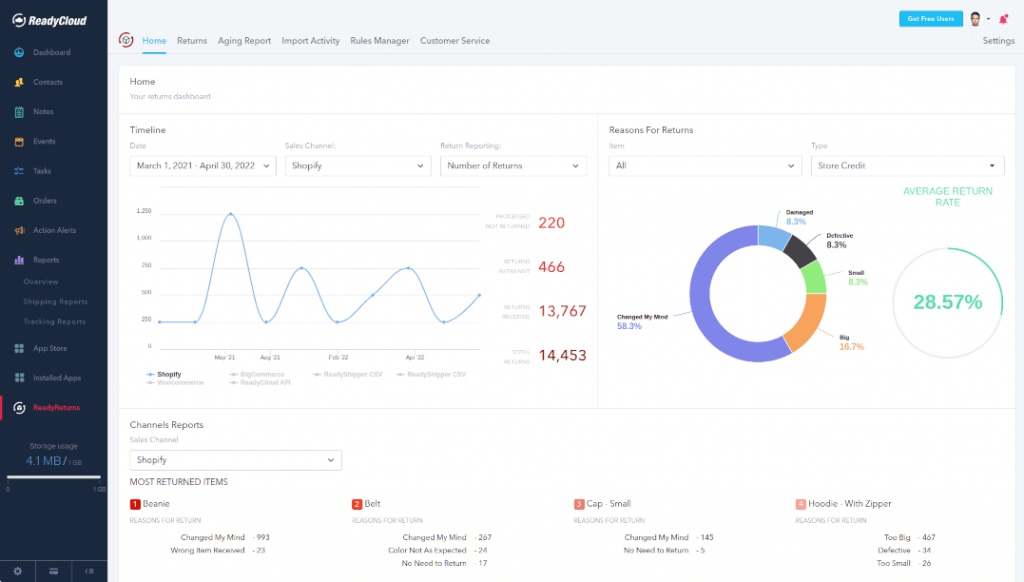
Real-time tracking and reporting – Sellers can monitor returns status at every step and use analytics to identify problem areas.
Automated approvals and refunds – Marketplace returns automation speeds up processing times, improving customer satisfaction.
Data-driven improvements – Analytics help reduce future returns through better product descriptions, sizing guides, and quality control measures.
When implemented effectively, these elements create a returns process that strengthens customer trust, lowers operational costs, and protects profitability.
“A great e-commerce experience requires more than competitive prices, a robust selection of goods, fast shipping and easy returns … it takes them all. Today’s consumer mindset has changed. Services like Amazon Prime have set the bar at a higher level, with speedy delivery, low prices, a vast selection and hassle-free returns.”
Role of Marketplace Returns Software in 2025
Marketplace returns management software isn’t just about making returns easier—it’s about making them smarter. The right platform connects every part of the returns process, from customer initiation to final inventory update.
For B2B marketplaces, multi vendor marketplace returns management software can handle bulk returns from wholesale buyers while maintaining compliance with platform policies. For B2C sellers, it provides a consistent, branded experience that boosts customer loyalty.
Integration with inventory management systems ensures returned products are quickly restocked or flagged for secondary channels. This reduces the time products sit idle and helps sellers recover value faster.
Third party marketplace returns management software also enables scalability. Whether a seller is processing 50 returns a month or 5,000, the system can handle the volume without sacrificing accuracy or speed.
In 2025, online marketplace returns software is also leveraging AI to detect potential fraud, identify high-risk return patterns, and recommend policy adjustments to prevent abuse. This level of intelligence gives sellers the tools to protect margins while delivering a customer-friendly experience.
Marketplace Returns Automation – The Next Big Step
Marketplace returns automation takes the power of software to the next level. Instead of requiring manual approval for each return, automated systems can instantly process eligible requests, generate shipping labels, and initiate refunds or exchanges.
This reduces labor costs, speeds up the customer experience, and allows sellers to focus on higher-value tasks. In multi seller marketplace returns management, automation ensures consistency across every vendor, even when their operational setups vary.
Enterprise marketplace returns integration also means automation can be applied to compliance tasks, such as checking policy eligibility or calculating cross-border shipping requirements. This keeps sellers in line with marketplace rules without adding extra work.
As automation becomes more advanced, expect it to integrate predictive analytics, allowing sellers to adjust policies based on forecasted return trends.
Marketplace Returns Automation – The Next Big Step
Marketplace returns automation takes the power of software to the next level. Instead of requiring manual approval for each return, automated systems can instantly process eligible requests, generate shipping labels, and initiate refunds or exchanges.
This reduces labor costs, speeds up the customer experience, and allows sellers to focus on higher-value tasks. In multi seller marketplace returns management, automation ensures consistency across every vendor, even when their operational setups vary.
Enterprise marketplace returns integration also means automation can be applied to compliance tasks, such as checking policy eligibility or calculating cross-border shipping requirements. This keeps sellers in line with marketplace rules without adding extra work.
As automation becomes more advanced, expect it to integrate predictive analytics, allowing sellers to adjust policies based on forecasted return trends.
Core Elements of an Effective Marketplace Returns Strategy
In 2025, the most successful marketplace sellers are those who treat returns as a strategic advantage instead of just a cost center. Here are the core elements of a high-performing returns strategy:
Centralized returns processing – Using marketplace returns software to manage returns from multiple channels in one platform.
Deep system integration – Marketplace returns management integration connects returns with order history, CRM data, and inventory, creating a single source of truth.
Customizable vendor policies – Multi seller marketplace returns management allows flexibility for different vendors while keeping policies aligned with marketplace standards.
Real-time tracking and reporting – Sellers can monitor returns status at every step and use analytics to identify problem areas.
Automated approvals and refunds – Marketplace returns automation speeds up processing times, improving customer satisfaction.
Data-driven improvements – Analytics help reduce future returns through better product descriptions, sizing guides, and quality control measures.
When implemented effectively, these elements create a returns process that strengthens customer trust, lowers operational costs, and protects profitability.
Best Practices for Multi-Vendor Marketplace Returns Management
The best marketplace returns strategies aren’t built overnight. They come from ongoing analysis, testing, and refinement. Here are some proven best practices for 2025:
Set standardized return windows and procedures – Keeps customers informed and ensures fairness across vendors.
Maintain clear communication – Automated notifications let customers know the status of their return every step of the way.
Use detailed product content – Accurate descriptions and sizing information reduce the likelihood of returns.
Implement fraud detection – Returns software for multi-vendor marketplace platforms can flag suspicious activity, preventing costly abuse.
Leverage returns analytics – Insights from multi vendor returns software help sellers pinpoint and address the root causes of returns.
When applied consistently, these best practices create a customer experience that feels seamless while keeping operational costs in check.
Preparing for Returns Management in 2025 and Beyond
Returns in 2025 are no longer just a logistical function—they’re a critical part of the customer relationship. Sellers who invest in advanced marketplace returns management software position themselves to handle increased volumes, changing regulations, and evolving customer expectations.
The next frontier is AI-driven returns management, where predictive analytics guide both policy and operational decisions. This could mean adjusting return windows seasonally or offering instant refunds to trusted customers.
Sustainability is also becoming a major factor. Sellers are exploring ways to reduce the environmental impact of returns through localized processing centers, donation programs, and resale marketplaces. Enterprise marketplace returns integration can support these initiatives while maintaining profitability.
Ultimately, the sellers who succeed in 2025 and beyond will be those who view returns as an opportunity—not just an obligation.
Streamline Marketplace Returns with ReadyReturns
If your marketplace returns process feels like it’s holding you back, it’s time to rethink your strategy. ReadyReturns eCommerce returns software gives you the tools to manage returns from every channel in one place. With powerful automation, deep integration, and advanced analytics, you can turn returns into a competitive advantage instead of a cost burden.
Don’t let outdated processes slow you down in 2025. See how ReadyReturns can streamline your operations, boost customer satisfaction, and protect your margins. Schedule your demo today and start building a smarter returns strategy.
FAQ’s About Marketplace Returns Software:
What is marketplace returns software and why do sellers need it?
Marketplace returns software manages and tracks product returns across multiple sales channels in one centralized platform. It helps sellers process returns faster, stay compliant with marketplace policies, and improve customer satisfaction.
How does multi vendor marketplace return software handle different seller policies?
It allows each seller to set their own policies while ensuring they align with overall marketplace rules. This creates flexibility without sacrificing consistency for customers.
Can marketplace returns management software integrate with existing eCommerce tools?
Yes. Most platforms offer integrations with CRMs, ERPs, shipping carriers, and inventory systems, creating a seamless workflow from purchase to return completion.
What’s the difference between third party marketplace returns software and native platform tools?
Native tools are often limited to one marketplace, while third party marketplace returns management software works across multiple platforms and offers more customization, analytics, and automation.
How can automation improve marketplace returns management?
Automation speeds up the process by instantly approving eligible returns, generating shipping labels, and updating inventory. It reduces manual labor and improves turnaround time.
Does marketplace returns software help with international orders?
Yes. Advanced systems manage customs documentation, duties, and cross-border shipping requirements, making global returns faster and more cost-efficient.
What role does analytics play in marketplace returns strategies?
Analytics reveal patterns in return reasons, helping sellers adjust product listings, quality control, and policies to reduce future returns.
Can B2B marketplaces benefit from multi vendor returns management software?
Absolutely. B2B sellers face high-volume, high-value returns that require strict compliance and efficiency, making robust returns management software essential.
How can sellers reduce the overall return rate?
Improved product descriptions, quality checks before shipping, and customer education can significantly lower return rates. Using marketplace returns analytics also helps identify problem areas early.
Get Started With ReadyReturns
ReadyReturns powers some of today’s leading retailers with its customer-centric approach.
Learn more about ReadyReturns. Reach out with any questions by Contacting Our Sales Team.