


Shipping costs can quickly change the mood in an ecommerce business. 2026 is about to set all-time records in ecommerce, with ecommerce sales projected to balloon to over $1.2 trillion in the U.S. alone, managing costs is important. In the wake of USPS shipping price increases in 2026, having the right strategy in place now is mission-critical.
We see it all the time. A pricing update that looks manageable on paper can become a real issue once it affects every daily shipment, every free-shipping offer, and every customer promise tied to delivery speed. That is exactly why the USPS changes on January 1st, 2026 matter so much.


USPS shipping services moved higher at the start of the year, with reported average retail increases of 5.1% for Priority Mail Express, 6.6% for Priority Mail, and 7.8% for USPS Ground Advantage. USPS pricing pages also show current rates for those services, along with Parcel Select commercial pricing.
| Service | Pricing Update |
|---|---|
| Priority Mail Express | Reported average retail prices increased 5.1% at the start of the year. |
| Priority Mail | Reported average retail prices increased 6.6% at the start of the year. |
| USPS Ground Advantage | Reported average retail prices increased 7.8% at the start of the year. |
| Parcel Select | Current commercial pricing is listed on USPS pricing pages. |
This is not just a postage story. It is an operations story, a margin story, and a customer experience story. Shipping touches checkout, fulfillment, retention, profitability, and the ability to scale without friction. Once USPS raises shipping service prices, online sellers need more than a quick summary. They need a clear understanding of what changed, what did not change, and what to do next. That is what we are covering here.

“The post-purchase experience deserves a seat at the executive table because it affects both brand equity and margin. A better return process can reduce service volume while increasing customer confidence. Clearer shipping communication can lower inbound tickets while improving trust. Faster resolution can protect repeat purchases. Cleaner workflows can reduce stress on teams and make the business easier to scale.” Read Article on Forbes


What Changed On January 18, 2026
The January USPS update focused on shipping services commonly used by ecommerce businesses. In summary, it states that USPS introduced rate and service updates effective January 18, 2026, including average retail increases of 5.1% for Priority Mail Express, 6.6% for Priority Mail, and 7.8% for USPS Ground Advantage. USPS also lists current domestic pricing for those services on its official pricing page, where Priority Mail Express starts at $33.00 at the Post Office, Priority Mail starts at $10.20, USPS Ground Advantage starts at $7.30, and Parcel Select commercial pricing starts at $5.60.
Those numbers matter because they affect some of the most common shipping paths ecommerce brands use every day. Ground Advantage often serves as the low-cost workhorse for lighter residential shipments. Priority Mail remains a familiar option for merchants who want faster delivery without jumping to the most expensive service tier. Priority Mail Express still fills the urgent-delivery need when a replacement order or time-sensitive shipment has to move quickly. Once all of those services become more expensive at once, the impact spreads well beyond the shipping station.
There is another detail worth watching. Revised rural ZIP code surcharges will take effect later in February 2026. That means some merchants are not only dealing with the January service rate changes; they also have to keep an eye on location-based cost pressures, too.
| Update Area | What Changed | Why It Matters for Ecommerce |
|---|---|---|
| Effective Date | USPS introduced shipping rate and service updates effective January 18, 2026. | This marked the start of new costs across several of the services ecommerce brands use most often. |
| Priority Mail Express | Average retail pricing increased 5.1%. Current Post Office pricing starts at $33.00. | This service remains the go-to option for urgent replacements and time-sensitive shipments, so higher rates can raise the cost of fast recovery orders. |
| Priority Mail | Average retail pricing increased 6.6%. Current pricing starts at $10.20. | Many merchants rely on it for faster delivery without moving to the highest-priced tier, so even moderate increases can affect routine fulfillment costs. |
| USPS Ground Advantage | Average retail pricing increased 7.8%. Current pricing starts at $7.30. | Often used as the lower-cost option for lighter residential shipments, this increase can hit everyday order volume quickly. |
| Parcel Select | Current commercial pricing listed by USPS starts at $5.60. | This adds another pricing benchmark for merchants comparing commercial shipping options and managing margin pressure. |
| Broad Cost Impact | Multiple commonly used USPS services became more expensive at the same time. | The effect reaches beyond the shipping station because rising carrier costs can influence pricing, fulfillment decisions, and overall profitability. |
| Rural ZIP Surcharges | Revised rural ZIP code surcharges were scheduled to take effect later in February 2026. | Merchants had to prepare for added location-based cost pressure shortly after the January rate changes. |
“It’s easy to treat shipping as a post-purchase detail, but the reality is far different. Shipping isn’t just a backend chore or another line item on the budget; it’s a big part of how customers experience your brand. For growing retailers juggling sales across Amazon, Shopify, Walmart and other channels, combining smart shipping tools with automation often means the difference between constant headaches and steady, profitable growth.” Read Article on Forbes

What Did Not Change
Not every USPS price moved with the January shipping service increase. The standard 1-ounce First-Class Mail stamp remained at $0.78. USPS shows letter stamps starting at $0.78 on its pricing page, and that same page distinguishes mail pricing from package shipping services such as Priority Mail, USPS Ground Advantage, and Parcel Select.
| USPS Pricing Area | Current Status | Why the Distinction Matters |
|---|---|---|
| First-Class Mail Stamp | The standard 1-ounce First-Class Mail stamp remained at $0.78. USPS lists letter stamps starting at $0.78 on its pricing page. | This confirms that the January shipping service increase did not apply to every USPS product. |
| Letter Mail Pricing | USPS separates letter mail pricing from package-based shipping services on its official pricing page. | Businesses that send letters, inserts, or standard mailed materials should not assume those costs changed with package shipping rates. |
| Package Shipping Services | Services such as Priority Mail, USPS Ground Advantage, and Parcel Select are listed separately from stamp and letter pricing. | These are the services more commonly tied to ecommerce fulfillment, so they should be evaluated independently from mail products. |
| Common Misunderstanding | Many people hear “USPS rate increase” and assume every postal product increased at the same time. | That assumption can create confusion across teams and lead to inaccurate internal or customer-facing communication. |
| Business Communication Impact | Clear USPS pricing categories help businesses separate mail costs from package shipping costs. | That clarity supports better planning, cleaner messaging, and more accurate expectations for both staff and customers. |
That distinction matters more than some merchants realize. Plenty of people hear “USPS rate increase” and assume every postal product went up at once. That was not the case here. If your business sends letters, inserts, or standard mailed materials, the basic stamp price is not the same as the package services used for ecommerce fulfillment. That difference is important because clear communication helps avoid confusion inside the business and keeps customer-facing messaging accurate, too.

“Growing e-commerce brands have set a new standard. They’re demonstrating that, with the right strategy in place, the post-purchase experience can be elevated. And customers are noticing it. For the larger retailers in the pond, this represents a monumental shift that swings from traditional customer acquisition to long-term retention.” Read Article on Forbes
Why The USPS Shipping Price Increase Matters For Ecommerce Brands
A mid-single-digit increase may seem small until you apply it to actual order volume. Once those higher costs are multiplied across hundreds or thousands of shipments, they quickly cut into profit. That is especially true for brands operating on tight margins, offering free shipping thresholds, or selling lower-ticket products where shipping takes a bigger share of the sale. A service increase of 7.8% on Ground Advantage or 6.6% on Priority Mail can shift the economics of a large portion of an ecommerce business in a very short time.
The pressure does not stop at the warehouse. Rising shipping costs influence merchandising, promotional planning, checkout offers, and average order value targets. A store that was comfortable offering free shipping over a certain amount last year may need to revisit that threshold now.
A product that appeared profitable under an older USPS cost structure may need to be bundled differently, repriced, or positioned differently. What looks like a carrier adjustment often becomes a business-model adjustment once it moves into real operations. This is exactly why we always encourage merchants to treat shipping as part of their overall ecommerce strategy rather than a back-room task.
There is also a timing issue in 2026 that makes this more serious. On March 25, 2026, USPS announced a transportation-related, time-limited 8 percent increase that would affect retail and commercial domestic competitive products, including Priority Mail Express, Priority Mail, USPS Ground Advantage, and Parcel Select, pending favorable review by the Postal Regulatory Commission. USPS said that, if approved, the change would take effect on April 26 and remain in place until January 17, 2027. No other products or services would be affected, including First-Class Stamps.
| Impact Area | What It Means | Why Ecommerce Brands Should Care |
|---|---|---|
| Per-Shipment Cost Increases | Mid-single-digit rate increases can look modest at first, but they add up quickly when applied across hundreds or thousands of orders. | Even a 7.8% increase on Ground Advantage or 6.6% on Priority Mail can reduce profit faster than many brands expect. |
| Tight-Margin Businesses | Brands with narrow margins, lower-priced products, or free shipping offers feel these increases more sharply. | Shipping takes a larger share of each sale, which can make once-profitable orders harder to sustain. |
| Free Shipping Thresholds | A shipping offer that made sense under an older USPS cost structure may need to be updated. | Merchants may need to raise thresholds or adjust checkout incentives to protect margin. |
| Product Pricing and Bundling | Products that looked profitable before may need to be repriced, bundled differently, or positioned another way. | Carrier changes often create ripple effects that reach merchandising and offer strategy. |
| Operational Planning | Higher shipping costs affect more than warehouse activity. They can shape promotions, average order value goals, and checkout decisions. | Shipping should be treated as part of the overall ecommerce model, not just a fulfillment task. |
| March 25, 2026 USPS Announcement | USPS announced a transportation-related, time-limited 8% increase for retail and commercial domestic competitive products, pending Postal Regulatory Commission review. | This signaled that January was not the only major shipping development brands needed to monitor in 2026. |
| Services Affected by Proposed Increase | The proposed 8% increase would apply to Priority Mail Express, Priority Mail, USPS Ground Advantage, and Parcel Select. | These are core services for many ecommerce operations, so added cost pressure could spread across everyday fulfillment. |
| Proposed Timing | If approved, USPS said the increase would take effect on April 26, 2026, and remain in place until January 17, 2027. | That creates an extended period of added cost pressure rather than a short-term spike. |
| Products Not Affected | USPS said no other products or services would be affected, including First-Class Stamps. | This helps businesses separate package-shipping cost changes from standard mail pricing. |
| Strategic Takeaway | Shipping cost control in 2026 should be treated as an ongoing process rather than a one-time adjustment. | Smart operators will review margins, offers, and shipping strategy continuously as USPS pricing evolves. |
That means ecommerce brands should not treat January as the entire 2026 story. The year already brought one major shipping update, followed by a later USPS announcement that could add even more pressure.
“In 2025, competent shipping departments are adopting a multi-carrier approach utilizing USPS, UPS, FedEx and even regional carriers. It is not only about saving money; flexibility is essential. With multiple carrier options available, delays from one carrier are less concerning.
The ultimate key is having access to a shipping solution that integrates with all your carriers and offers real-time rate shopping and unique rate options. Don’t wait until it’s too late. Begin setting up test shipments now, and familiarize yourself with deadlines and additional fees each carrier imposes to gain a competitive advantage.” – Read Article on Forbes
Why Flat Rate Shipping Should Be Reviewed In 2026
Flat rate shipping still feels simple, and that is exactly why many merchants stick with it longer than they should. It is easy to build habits around familiar boxes and familiar service levels. The problem is that simplicity can hide inefficiency. In short: updated Priority Mail flat-rate pricing effective in early 2026, including Small Flat Rate Box at $12.65, Medium at $22.95, and Large at $31.50 can affect any merchant’s bottom line. Once those numbers move, the old assumption that a flat rate is always the smart shortcut deserves another look.
Merchants usually do not lose margin in one dramatic moment. They lose it slowly through unreviewed defaults. A box that worked well before may no longer be the best choice. A flat rate habit that once saved time may now be costing more than it should. The real issue is not the flat rate itself. The issue is that the strategy runs on autopilot after the market has changed. We believe 2026 is a good time to review packaging logic rather than assuming the old answer is still the best.
“The post-purchase experience shapes your brand just as much as what draws a customer to it before they buy. Branding or advertising begin to shape customer confidence, but the experience that follows checkout influences loyalty more.” Read Article on Fast Company


Why Shipping Software Matters More After Rate Increases
Rate increases have a way of exposing weak systems. When every label costs more, every avoidable mistake costs more, too. That is why shipping software matters even more in a year like this. If your team still relies on manual service comparisons, disconnected workflows, or outdated label rules, higher USPS costs can quickly magnify those inefficiencies. The business does not just feel the carrier increase. It also feels the weight of every slow decision and every unnecessary shipping upgrade.
This is where we think software should do real work for merchants. Agile enterprise shipping software creates consistency. It gives ecommerce teams a better way to compare services, enforce rules, move faster in the warehouse, and keep shipping decisions tied to actual order data instead of habit. That matters for stores selling on multiple channels, brands trying to improve shipping speed without losing control of cost, and operations teams that need a cleaner path from order import to label creation.
Shipping is no longer a standalone task. It sits inside the larger ecommerce operation. If shipping tools are clunky or slow, they affect labor, customer expectations, and how quickly a team can scale. Better software does not erase carrier increases, but it can keep those increases from turning into operational chaos.
Why ReadyShipper X Makes More Sense In 2026
In a year filled with pricing pressure, we believe merchants need shipping software that feels dependable, efficient, and cost-conscious. ReadyShipper X fits that need because we built it to help ecommerce teams move faster while staying disciplined about shipping costs.
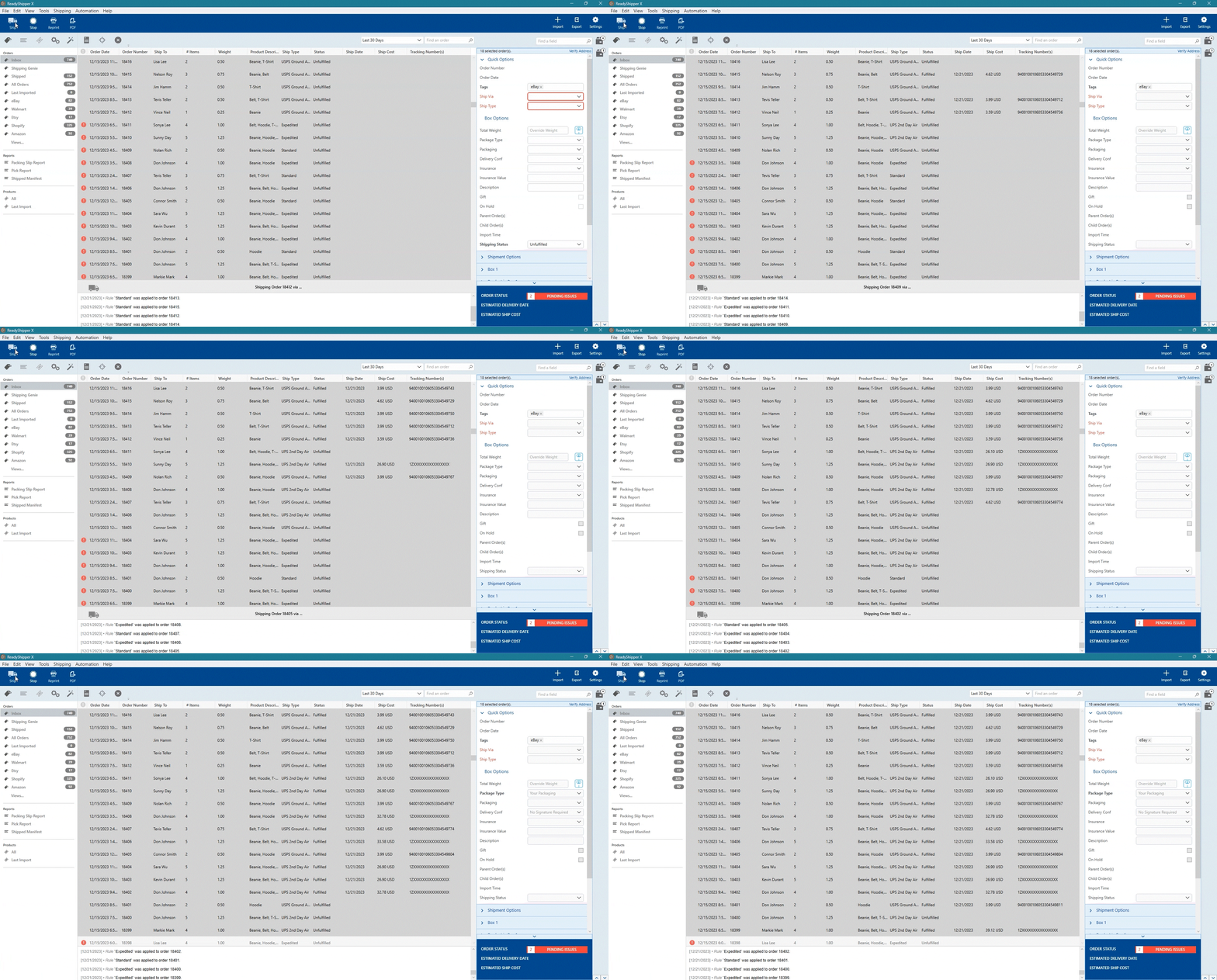
ReadyShipper X is a hybrid-cloud shipping solution for fast, multi-carrier shipping. It can help you find the best shipping rate by cost and time in transit, supports select-to-ship, batch shipping, scan-to-print, and full automation, and is designed for growing businesses and high-output environments.
2026 is not the kind of year where merchants want more guesswork. They want a shipping setup that helps them make better decisions quickly. ReadyShipper X can deliver print speeds of up to 3 labels per second in high-volume environments, which speaks directly to warehouse productivity and order throughput. Faster fulfillment does not just save time. It can help teams stay efficient under pressure when order counts rise and carrier rates already work against margins.
Merchants already have enough to manage with USPS changes, customer expectations, and the daily demands of fulfillment. They need reliable label creation, strong USPS pricing, practical automation, and rate-shopping intelligence that actually helps.
We built ReadyShipper X for real operational conditions, not just light shipping volume or occasional label printing. It features speed, automation, carrier flexibility, and rule-based decision-making because that is what ecommerce operators actually need. Merchants are tired of piecing together workarounds. They want software that keeps pace with how modern fulfillment works. That is exactly the role we want ReadyShipper X to play.
“In a perfect world, you’d have the solution you needed in just a few clicks. In reality, not all software accommodates the specific needs of the individual retailer. When creating a balanced shipping strategy for your online business, it’s imperative that you ensure the feature sets you need are in place, so you can fulfill faster and go home early.” – Read Article on Forbes
How Ecommerce Brands Can Protect Margins Without Hurting Conversions
The worst response to a shipping increase is panic. The second worst is passing costs around blindly and hoping customers do not notice. A better approach starts with a detailed review of current shipping economics. Look at your most common package weights, shipping zones, service levels, and package types. Identify which orders rely most heavily on Ground Advantage and Priority Mail. Those are often the areas where the January changes show up first.
Next, review shipping rules and checkout promises. Some stores are still operating with old thresholds, old packaging defaults, and old assumptions about what a shipment should cost. Tightening those rules can protect the margin without forcing blunt price increases onto every customer. Product bundling can help, too. A slightly larger order often improves the relationship between shipping cost and order value, which makes it easier to support competitive delivery offers. These are operational decisions, but they shape the customer experience in a very real way.
We believe mature software is part of this answer. Tools that can compare services, automate decisions, and keep the fulfillment process moving cleanly make it easier to absorb market changes without creating internal friction. That is why this is a good moment to review not only carrier rates, but also the software environment supporting your labels and workflow. In 2026, the brands that stay calm and get more precise usually come out ahead.
| Recommended Response Area | Best Practice | Why It Matters |
|---|---|---|
| Initial Reaction | Avoid panic and avoid passing higher costs through blindly in ways customers will quickly notice. | A measured response creates room for smarter decisions and helps protect both margin and customer trust. |
| Shipping Economics Review | Start with a detailed review of your shipping data, including common package weights, shipping zones, service levels, and package types. | This makes it easier to see where rate changes are creating the most pressure inside day-to-day operations. |
| Service-Level Analysis | Identify which orders depend most on Ground Advantage and Priority Mail. | These are often the first areas where January service changes show up in real fulfillment costs. |
| Checkout Rules | Review shipping rules, checkout promises, and free shipping thresholds that may still reflect older cost assumptions. | Updating outdated rules can protect profitability without forcing broad price increases across the board. |
| Packaging Defaults | Reassess packaging defaults and shipment assumptions that may no longer match current carrier pricing. | Small operational adjustments can improve cost control while keeping fulfillment consistent. |
| Product Bundling | Use bundling strategies to encourage slightly larger orders when appropriate. | A higher order value can improve the balance between shipping cost and revenue, making delivery offers easier to support. |
| Customer Experience | Treat shipping decisions as part of the customer experience, not just an internal warehouse function. | Operational choices around checkout, packaging, and delivery offers directly shape how customers view the brand. |
| Software and Automation | Review the software tools supporting label creation, service comparisons, routing decisions, and fulfillment workflows. | Mature software can reduce friction, automate better choices, and help brands adapt to market changes more smoothly. |
| 2026 Strategic Takeaway | The brands most likely to come out ahead are the ones that stay calm and become more precise. | Careful analysis and better systems usually outperform reactive pricing decisions during shipping cost changes. |
“Today’s consumer not only has options for where they’ll buy but also a high set of expectations. What’s more, they remember the way a product arrives at their doorstep more than how it was sold.
If the box is late, damaged, unbranded or creates more questions than answers, the brand impression quickly fades. In many cases, it’s replaced with frustration. That’s why the delivery experience is more than logistics. In fact, it’s the last, and possibly the most important, customer touchpoint.”- Read Article on Forbes
Final Thoughts
The USPS shipping price increase in 2026 is not just another industry update that online sellers can ignore. It affects core shipping services used every day across ecommerce, and it lands at a time when fulfillment efficiency matters more than ever. January brought reported increases for Priority Mail Express, Priority Mail, and USPS Ground Advantage, while USPS pricing pages continue to reflect the broader service structure merchants need to watch. March then added another USPS announcement around a time-limited 8 percent increase for competitive domestic products if approved.
For ecommerce brands, the takeaway is simple. Review your shipping logic. Review your packaging. Review your promises. Then make sure your software helps you move faster and smarter, not just keep you busy.
At ReadyCloud, we see ReadyShipper X as part of that answer because we built it around speed, automation, rate intelligence, and strong USPS shipping support for real ecommerce operations.
The Future of Ecommerce is Now
Staying ahead in the ecommerce industry means embracing innovation and anticipating changes before they arrive. The ecommerce trends shaping 2025 provide valuable insights into what’s next, but the future also brings exciting new possibilities. Businesses that adapt quickly and leverage the right tools will thrive in this dynamic landscape.
Ready for 2026? ReadyCloud Has You Covered!
Success in 2026 starts with the right tools, and ReadyCloud’s suite of solutions is designed to propel your ecommerce business to new heights. With ReadyCloud, you’ll have all your data centralized in one place, offering insights that drive smarter decisions. Take your marketing to the next level with Action Alerts, delivering growth-focused, automated campaigns that keep your customers engaged.
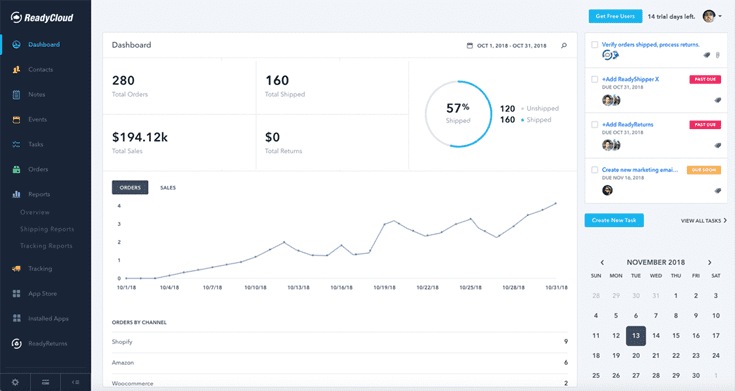

Shipping is easier than ever with ReadyShipper X, a multicarrier solution that simplifies your fulfillment process while saving time and money.


And when it comes to returns, ReadyReturns streamlines the entire process with an automated solution that boosts customer satisfaction and loyalty.
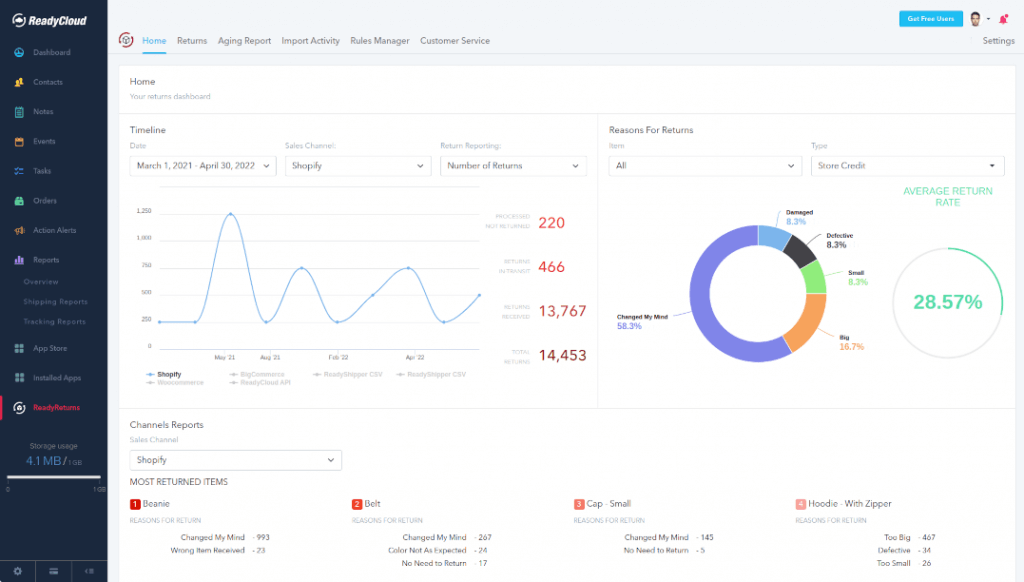

ReadyCloud is more than just a suite of systems—it’s your ticket to thriving in 2026 and beyond!
Start your journey to success today! Learn more and get started here.
Or contact our Sales Department at: 877-818-7447 ext. 1.
FAQs About USPS Price Increases in 2026
What Is The USPS Shipping Price Increase In 2026?
The January 18, 2026, USPS update affected shipping services used by ecommerce brands. EasyPost reported average retail increases of 5.1% for Priority Mail Express, 6.6% for Priority Mail, and 7.8% for USPS Ground Advantage. USPS also lists current rates for those services, including Parcel Select, on its official pricing page.
Did USPS Raise Stamp Prices In January 2026?
No. USPS still lists the standard 1-ounce First-Class Mail stamp at $0.78. The January 2026 pricing changes focused on package shipping services rather than the basic First-Class letter stamp. USPS also said its later March 2026 announced increase would not affect First-Class Stamps.
When Did The USPS Shipping Rate Increase Start?
USPS shipping service updates began on January 18, 2026, according to EasyPost’s summary. That date is the one ecommerce merchants should associate with the initial 2026 service rate changes affecting package shipping.
Which USPS Services Increased In Price In 2026?
The January 2026 changes affected Priority Mail Express, Priority Mail, and USPS Ground Advantage, according to EasyPost’s summary. USPS pricing pages also show Parcel Select in the current service mix. USPS later announced a time-limited 8 percent increase that would affect Priority Mail Express, Priority Mail, USPS Ground Advantage, and Parcel Select if approved.
How Much Did USPS Ground Advantage Increase In 2026?
EasyPost reported an average retail increase of 7.8% for USPS Ground Advantage in the January 2026 update. That matters because Ground Advantage is often used for lower-cost residential ecommerce shipments, so changes there can have a wide operational impact.
How Does The USPS Shipping Price Increase Affect Ecommerce Businesses?
Higher USPS rates can reduce margins, pressure free shipping offers, and force merchants to revisit packaging, service selection, and checkout strategy. The impact is often strongest for businesses shipping high volumes, selling lower-ticket items, or depending heavily on USPS Ground Advantage and Priority Mail.
What Is The Best Way To Lower Shipping Costs After A USPS Rate Increase?
Start with an audit of your current shipping mix. Review package weights, zones, service defaults, free shipping thresholds, and packaging choices. Then look at the software supporting your operation. Faster, rules-based, rate-aware shipping workflows can help reduce waste and make service selection more disciplined. We built ReadyShipper X with exactly that kind of practical control in mind.
Is ReadyShipper X A Good Option For USPS Shipping In 2026?
We believe it is a strong option because we built ReadyShipper X as a hybrid-cloud shipping solution for fast, multi-carrier shipping. We say it can determine the best rate based on cost and transit time, supports automation features, and offers amazing USPS rates. For merchants trying to stay efficient during a year of changing shipping costs, that is exactly the kind of support that matters.
Does USPS Have Another Shipping Increase Planned For 2026?
USPS announced on March 25, 2026, a transportation-related, time-limited 8 percent increase for Priority Mail Express, Priority Mail, USPS Ground Advantage, and Parcel Select, pending favorable review by the Postal Regulatory Commission. USPS said the planned effective date was April 26, 2026, with the increase remaining in place until January 17, 2027.