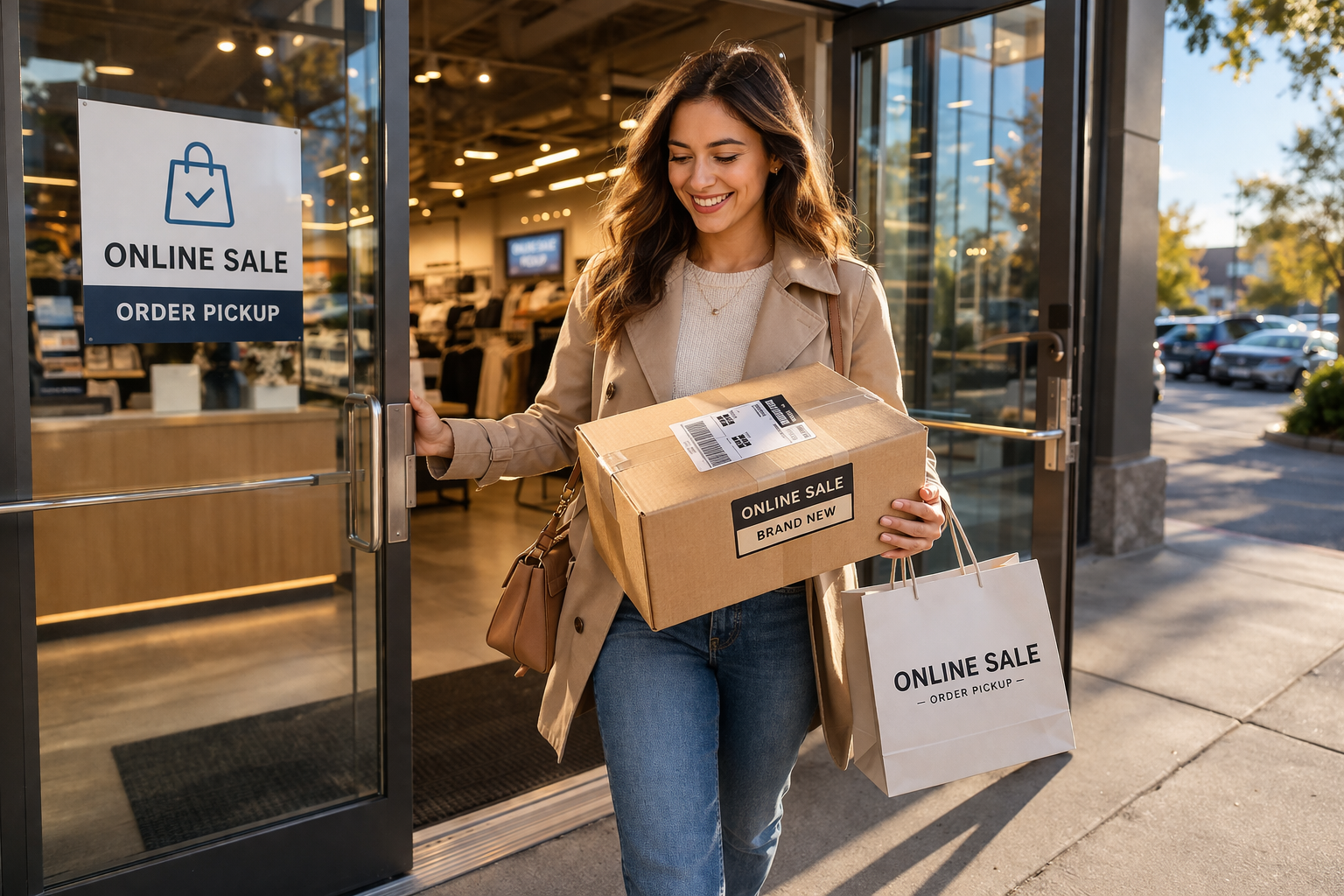
BOPUS stands for buy online, pick up in store. It is one of the clearest examples of how retail has shifted into a true hybrid model. A shopper places an order online, chooses a nearby store for pickup, waits for confirmation, and then heads in to collect the item. That simple process gives customers much of what they want most: speed, convenience, lower fulfillment friction, and more control over how they receive their purchases. ReadyCloud has long treated BOPUS as more than a short-term retail trend because it combines digital convenience with the immediate access shoppers still love about physical stores.

Retail analysts continue to group BOPUS under the larger click-and-collect movement, and that matters because the broader category has remained relevant well past its pandemic-era surge. Emarketer reported that U.S. click-and-collect adoption more than doubled in 2020 and projected continued growth, while later coverage showed U.S. click-and-collect buyers reaching 150.9 million in 2024, or 53.1% of the population.
| Category | Key Insight |
|---|---|
| Retail Trend | Retail analysts continue to place BOPUS within the broader click-and-collect category, which remains highly relevant well beyond its pandemic-era spike. |
| 2020 Growth | eMarketer reported that U.S. click-and-collect adoption more than doubled in 2020 and projected continued expansion in the years that followed. |
| 2024 Reach | Later coverage showed U.S. click-and-collect buyers reaching 150.9 million in 2024, representing 53.1% of the population. |
“The post-purchase experience deserves a seat at the executive table because it affects both brand equity and margin. A better return process can reduce service volume while increasing customer confidence. Clearer shipping communication can lower inbound tickets while improving trust. Faster resolution can protect repeat purchases. Cleaner workflows can reduce stress on teams and make the business easier to scale.” Read Article on Forbes

Why BOPUS Matters More Than Ever
A lot of ecommerce conversations still act like delivery speed is the only thing shoppers care about. That is not how people actually buy. Plenty of customers want the ease of ordering online without the wait, shipping cost, porch risk, or uncertainty that can come with home delivery. BOPUS sits right in that sweet spot. It gives retailers a way to meet modern demand without relying on the expensive promise of instant delivery for every order.
This matters for another reason, too. Retail is no longer a clean divide between ecommerce and brick and mortar. The strongest brands connect the two. BOPUS requires real-time inventory visibility, updated store availability, and operational coordination across channels. That is exactly why it has become such an important retail capability. It is not just a convenience add-on. It is a working example of omnichannel commerce done right.
“It’s easy to treat shipping as a post-purchase detail, but the reality is far different. Shipping isn’t just a backend chore or another line item on the budget; it’s a big part of how customers experience your brand. For growing retailers juggling sales across Amazon, Shopify, Walmart and other channels, combining smart shipping tools with automation often means the difference between constant headaches and steady, profitable growth.” Read Article on Forbes
Why Shoppers Love BOPUS
Customer behavior clearly makes the case for BOPUS. Recent research finds that 48% of consumers use BOPIS primarily to avoid shipping fees, 50% cite convenience, 46% say it helps them save time, and 77% value being able to see an item before taking it home. Those numbers explain why BOPUS keeps showing up in retail strategy conversations. It solves several common customer frustrations at once, rather than just one.
Invesp’s roundup points in the same direction. Its BOPIS statistics report says 67% of U.S. shoppers had used buy online, pick up in store within the prior six months, and it highlights the top reasons consumers prefer it: 77% like seeing products before taking them home, 65% want to avoid shipping costs, 29% choose it for convenience, and 23% appreciate the ability to return a product immediately.
That mix of reasons is what makes BOPUS so durable. Some shoppers care most about speed. Others care about cost. Others want the reassurance of seeing the item in person before fully committing. BOPUS addresses all three concerns in one move, which is why it continues to feel practical rather than trendy.
| Category | Key Insight |
|---|---|
| Core Customer Appeal | Customer behavior makes a strong case for BOPUS because it addresses several common frustrations at once instead of solving only one problem. |
| Cost Savings | Recent research shows that 48% of consumers use BOPIS primarily to avoid shipping fees, while Invesp reports that 65% prefer it for the same reason. |
| Convenience and Time | Research also finds that 50% of consumers cite convenience and 46% say BOPUS helps them save time, reinforcing its role as a practical fulfillment option. |
| Confidence Before Taking Items Home | Seeing a product before leaving the store remains a major driver, with 77% of consumers saying they value the ability to inspect an item before taking it home. |
| Recent Shopper Adoption | Invesp reports that 67% of U.S. shoppers had used buy online, pick up in store within the previous six months, showing that the model is already widely adopted. |
| Additional Purchase Motivations | Invesp also notes that 29% choose BOPIS for convenience and 23% value being able to return a product immediately if needed. |
| Why BOPUS Endures | BOPUS remains durable because it meets different shopper priorities at the same time, including speed, cost control, and the reassurance of seeing an item in person before fully committing. |

“Growing e-commerce brands have set a new standard. They’re demonstrating that, with the right strategy in place, the post-purchase experience can be elevated. And customers are noticing it. For the larger retailers in the pond, this represents a monumental shift that swings from traditional customer acquisition to long-term retention.” Read Article on Forbes
BOPUS Statistics That Stand Out
The strongest BOPUS story is not just that people tried it. It is that they kept using it. In fact, 68% of consumers have made multiple BOPIS purchases, which signals repeat behavior rather than one-off experimentation. The same research also says BOPIS is the third most-used fulfillment method among online shoppers.
Additional data makes the trend even harder to ignore. Invesp reports that 75% of shoppers who have used BOPIS say they are likely to make an additional purchase, and 49% made unintended purchases while picking up their orders in-store. It also notes that 50% of respondents decided where to shop online based on whether in-store pickup was available.
| Category | Key Insight |
|---|---|
| Repeat Usage | The strongest BOPUS signal is not just trial, but repeat behavior. Research shows that 68% of consumers have made multiple BOPIS purchases rather than using it only once. |
| Fulfillment Ranking | The same research identifies BOPIS as the third most-used fulfillment method among online shoppers, showing that it has become a mainstream option. |
| Additional Purchases | Invesp reports that 75% of shoppers who have used BOPIS say they are likely to make an extra purchase during the pickup experience. |
| Impulse Buying During Pickup | Invesp also notes that 49% of shoppers made unintended purchases while collecting their orders in-store, highlighting the merchandising value of pickup traffic. |
| Impact on Store Choice | Availability matters at the decision stage as well. Invesp reports that 50% of respondents chose where to shop online based on whether in-store pickup was offered. |
“In 2025, competent shipping departments are adopting a multi-carrier approach utilizing USPS, UPS, FedEx and even regional carriers. It is not only about saving money; flexibility is essential. With multiple carrier options available, delays from one carrier are less concerning.
The ultimate key is having access to a shipping solution that integrates with all your carriers and offers real-time rate shopping and unique rate options. Don’t wait until it’s too late. Begin setting up test shipments now, and familiarize yourself with deadlines and additional fees each carrier imposes to gain a competitive advantage.” – Read Article on Forbes
BOPUS Is Not The Same As Basic Store Pickup
Many brands treat BOPUS as a simple feature toggle. Add a pickup option at checkout, send a ready-for-pickup email, and call it a day. That is not enough. A useful BOPUS program depends on inventory accuracy, store-level visibility, staffing, order staging, customer notifications, and a pickup experience that feels non-chaotic.
This puts real-time inventory visibility at the center of BOPUS success and notes that retailers often need to reorganize stores, improve inventory management, and adapt facilities for curbside or pickup demand. That is a big operational reminder. BOPUS feels easy for the customer only when a lot of work is being done correctly behind the scenes.
Hybrid commerce lines up with that reality. The opportunity is not just letting a shopper click a different fulfillment option. The real win is connecting ecommerce, fulfillment, and post-purchase communication so the handoff feels reliable from start to finish.
“Cloud-based solutions are tethered to the uptime of the service provider, whereas hybrid-cloud solutions mean you can keep shipping packages even if your SaaS provider is experiencing a disruption of service.” – Read Article on Forbes
How BOPUS Drives Revenue Beyond Convenience
Retailers do not adopt BOPUS only because shoppers like it. They adopt it because the model can improve revenue quality too. Pickup visits create an additional point of engagement after checkout, and that matters. When customers enter a store to collect an order, they are not walking into a dead transaction. They are walking into an environment built for merchandising, add-ons, and impulse purchases.
Invesp research finds that 75% of BOPIS users are likely to make an additional purchase and 49% have already made unintended purchases during pickup. Meanwhile, Capital One Shopping reports that 44% of grocery BOPUS users purchase extra items while picking up their orders. Treasure Data also notes that 44% of BOPUS customers buy additional products during pickup.
That is a major reason BOPUS remains attractive even in an era obsessed with delivery speed. It can reduce shipping friction and create a second conversion opportunity. That is hard to ignore.
| Category | Key Insight |
|---|---|
| Why Retailers Adopt BOPUS | Retailers embrace BOPUS not only because shoppers value the convenience, but also because it can improve revenue quality and create stronger in-store engagement. |
| Pickup as a Sales Opportunity | Store pickup creates another customer touchpoint after checkout, placing shoppers back into a merchandising environment designed for add-ons, upsells, and impulse purchases. |
| Invesp Findings | Invesp research shows that 75% of BOPIS users are likely to make an additional purchase, while 49% say they have already made unintended purchases during pickup. |
| Grocery Behavior | Capital One Shopping reports that 44% of grocery BOPUS users buy extra items while picking up their orders. |
| Cross-Source Validation | Treasure Data also reports that 44% of BOPUS customers purchase additional products during pickup, reinforcing the strength of this pattern. |
| Strategic Value | BOPUS remains appealing in a delivery-focused market because it can ease shipping friction while also opening a second opportunity to drive conversion. |
The Biggest Challenges With BOPUS
None of this means BOPUS runs itself. Retailers still face real operational pressure when they offer it. Invesp lists logistics and inventory tracking as the biggest challenge at 45.6%, followed by managing and training staff at 22.4%, customer information security at 16.1%, and return-on-investment concerns at 6%.
Those issues make sense. A bad BOPUS experience can be more frustrating than standard delivery because the customer has already traveled to the store expecting a fast handoff. If the item is missing, delayed, incorrectly staged, or not actually ready, trust drops fast. That is why BOPUS cannot sit in a silo. It needs clean coordination between ecommerce systems, inventory logic, store teams, and customer messaging.
Real-time visibility and operational redesign are not optional upgrades for retailers serious about pickup. They are core requirements.
“In a perfect world, you’d have the solution you needed in just a few clicks. In reality, not all software accommodates the specific needs of the individual retailer. When creating a balanced shipping strategy for your online business, it’s imperative that you ensure the feature sets you need are in place, so you can fulfill faster and go home early.” – Read Article on Forbes
How Retailers Can Make BOPUS Work Better
A better BOPUS program usually comes down to discipline more than flash. Inventory needs to be synced across channels. Pickup windows need to be realistic. Customers need clear notifications that tell them exactly when the order is ready, where to go, and what to expect. Store teams need simple workflows, not guesswork. Returns and exchanges need to feel just as easy as pickup.
Retailers that do this well tend to treat BOPUS as part of a connected customer journey, not a one-step transaction. That means the online storefront, store operations, shipping workflows, and post-purchase experience should all work together. It is about making the customer’s path between the two feel smooth.
“Today’s consumer not only has options for where they’ll buy but also a high set of expectations. What’s more, they remember the way a product arrives at their doorstep more than how it was sold.
If the box is late, damaged, unbranded or creates more questions than answers, the brand impression quickly fades. In many cases, it’s replaced with frustration. That’s why the delivery experience is more than logistics. In fact, it’s the last, and possibly the most important, customer touchpoint.”- Read Article on Forbes
Why BOPUS Is Still Growing
Some retail tactics spike during unusual periods and fade once buying habits normalize. BOPUS has not followed that pattern. Click-and-collect is sustaining growth beyond its early surge, and later forecasts continue to show broad buyer adoption. Recent statistics also confirm that pickup remains popular enough to rank among the top fulfillment methods.
That staying power is easy to understand. Shoppers still want flexibility. Shipping fees still annoy people. Delays still happen. Many products are still easier to evaluate, return, or exchange through a store. Retailers with physical locations still have an advantage when they turn those locations into fulfillment assets instead of using them only as browsing destinations.
BOPUS is not a workaround anymore. It is part of how modern retail works.
“The post-purchase experience shapes your brand just as much as what draws a customer to it before they buy. Branding or advertising begin to shape customer confidence, but the experience that follows checkout influences loyalty more.” Read Article on Fast Company
Ready To Build A Better Hybrid Retail Experience?
Retailers do not need more complexity piled on top of already messy workflows. They need systems that help ecommerce orders, fulfillment, store operations, and customer expectations move together. BOPUS makes that need very obvious. When it works, customers get speed and convenience without the usual delivery friction. When it breaks, every disconnected part of the operation shows up all at once.
That is why the best BOPUS strategy is not just offering pickup. It is building a more connected retail experience around it.
The Future of Ecommerce is Now
Staying ahead in the ecommerce industry means embracing innovation and anticipating changes before they arrive. The ecommerce trends shaping 2025 provide valuable insights into what’s next, but the future also brings exciting new possibilities. Businesses that adapt quickly and leverage the right tools will thrive in this dynamic landscape.
Ready for 2026? ReadyCloud Has You Covered!
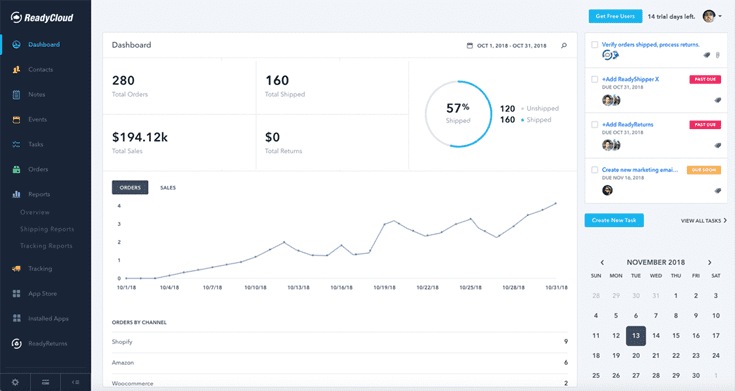
Success in 2026 starts with the right tools, and ReadyCloud’s suite of solutions is designed to propel your ecommerce business to new heights. With ReadyCloud, you’ll have all your data centralized in one place, offering insights that drive smarter decisions. Take your marketing to the next level with Action Alerts, delivering growth-focused, automated campaigns that keep your customers engaged.
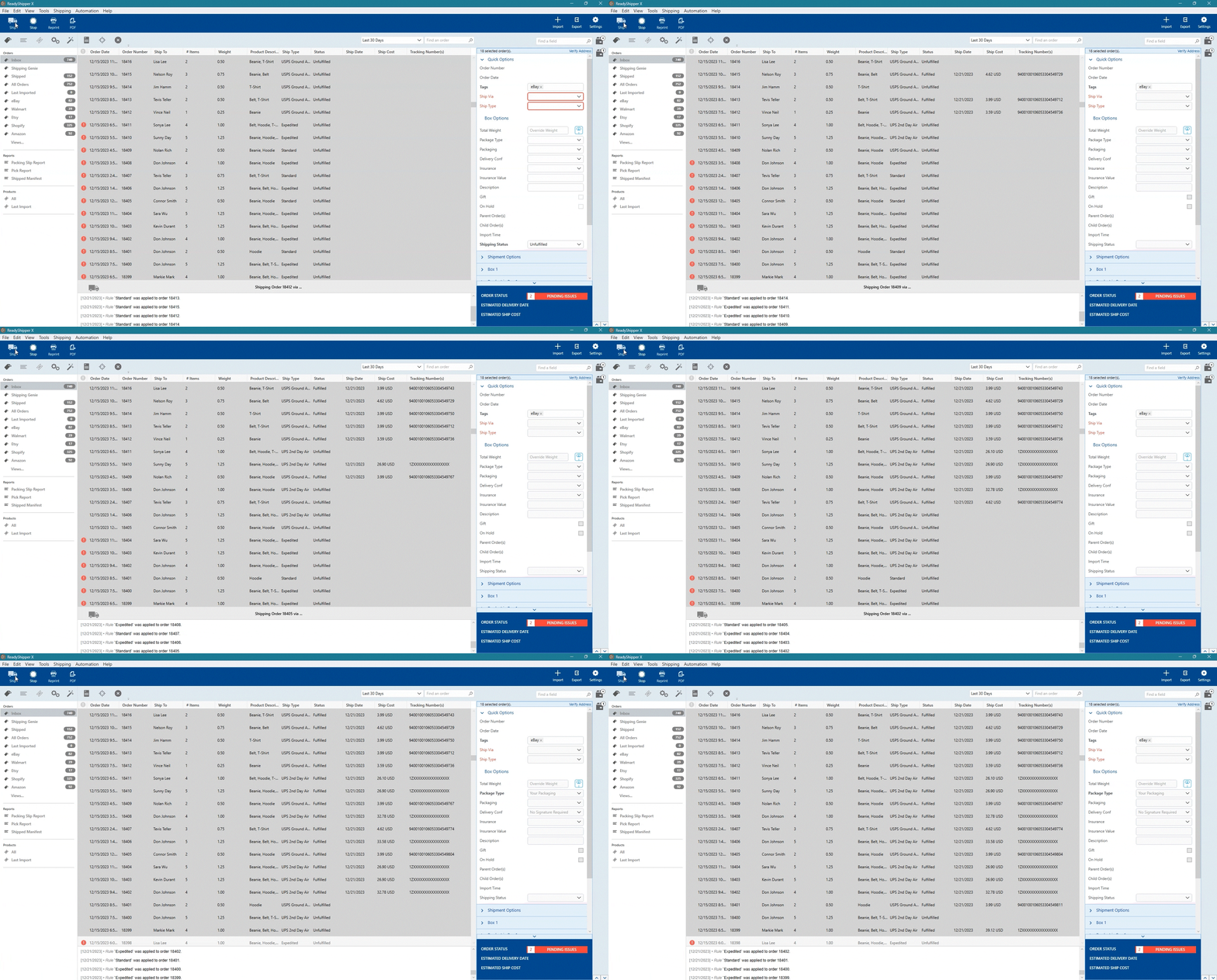
Shipping is easier than ever with ReadyShipper X, a multicarrier solution that simplifies your fulfillment process while saving time and money.

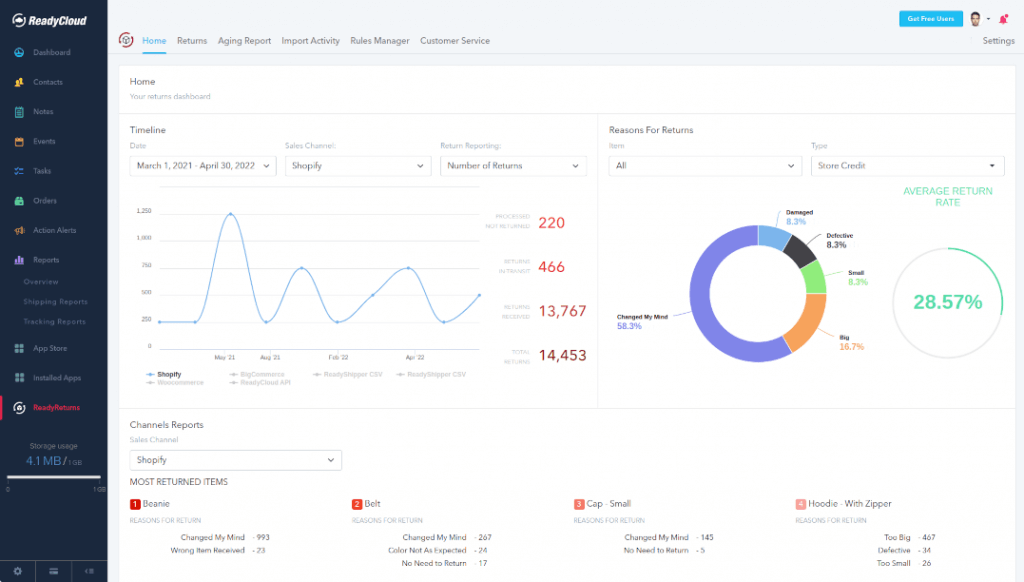
And when it comes to returns, ReadyReturns streamlines the entire process with an automated solution that boosts customer satisfaction and loyalty.
ReadyCloud is more than just a suite of systems—it’s your ticket to thriving in 2026 and beyond!
Start your journey to success today! Learn more and get started here.
Or contact our Sales Department at: 877-818-7447 ext. 1.
What Is BOPUS?
BOPUS stands for “buy online, pick up in store.” A customer orders online and collects the item at a physical retail location instead of waiting for home delivery.
What Is BOPUS In Retail?
In retail, BOPUS is an omnichannel fulfillment model that connects ecommerce ordering with in-store pickup. It helps stores use physical locations as fulfillment points while giving shoppers more flexibility.
What Is The Difference Between BOPUS And BOPIS?
BOPUS and BOPIS are usually used interchangeably. Both refer to buying online and collecting the order at a store, though some brands prefer one term over the other.
Why Do Customers Use BOPUS?
Customers use BOPUS to avoid shipping fees, save time, enjoy convenience, and see products before taking them home. Those are among the most commonly cited reasons in current BOPIS research.
What Are The Most Important BOPUS Statistics?
A few of the biggest ones are these: 68% of consumers have made multiple BOPIS purchases, 75% of BOPIS users say they are likely to make an extra purchase, and 44% of grocery BOPUS shoppers buy additional items during pickup.
Does BOPUS Increase In-Store Sales?
It often does. Research from Invesp, Capital One Shopping, and Treasure Data all point to meaningful rates of add-on purchases during pickup visits.
What Are The Main Challenges Of BOPUS?
The biggest challenges include logistics, inventory tracking, store staffing, customer communication, and maintaining consistent pickup workflows across locations.
Is BOPUS Still Popular?
Yes. Current and recent coverage from EMARKETER and Capital One Shopping shows that click-and-collect and BOPIS remain widely used and continue to matter in modern retail.
What Types Of Retailers Benefit Most From BOPUS?
Retailers with physical stores and strong local demand often benefit the most, especially grocery, apparel, electronics, beauty, and large-format retail. The model works best when store inventory and pickup operations are well connected.