
Shipping gets more complicated fast once a business reaches real scale. More orders should create more revenue, though that growth can also create more pressure across fulfillment, carrier management, labor, customer service, and margins if the right systems aren’t in place.
That pressure is easy to see in the numbers. U.S. ecommerce sales reached $1.2337 trillion in 2025, up 5.4% year over year. Ecommerce also accounted for 16.4% of total U.S. retail sales. At the same time, last-mile delivery represents about 53% of total shipping expenses, 66% of teams use three or more systems to manage shipments, and 87% of decision-makers say logistics inefficiencies create high annual costs. Large businesses don’t need much help seeing the pattern. Shipping has become a major operational priority, and disconnected tools make that problem worse.
At ReadyCloud, we look at shipping through the lens of scale, performance, and control. Large businesses don’t need software that only works when order volume is light and workflows are simple. They need software that still performs when volume rises, carrier decisions get more complex, and warehouse teams can’t afford delays.
That’s where the real conversation starts. The best platform for a large business should do more than create labels. It should reduce manual work, support fast decision-making, help control parcel spend, and keep fulfillment moving without adding more friction to the day.

Large Businesses Outgrow Basic Shipping Tools Faster Than They Expect
Plenty of businesses start with entry-level shipping tools. That makes sense early on. A lighter setup can work when order counts are lower, warehouse demands are simpler, and the business isn’t yet juggling multiple channels, warehouses, or carrier strategies.
A small seller can get away with lightweight shipping tools for a while. A large business usually can’t. Once order counts rise, teams start feeling the cracks fast. Batch processing slows down. Staff spends too much time making routine shipping decisions.
The problem arises when the same setup is expected to support a much larger operation.
We’ve seen what happens when businesses try to stretch basic tools too far. Batch processing slows down. Teams create workarounds. Routine shipping decisions still require manual input. Orders come in from different channels with different workflows. Visibility gets weaker right when leadership needs stronger control, and WISMO (where is my order tickets) begins to surface as an ongoing issue. Support teams end up dealing with more shipping-related questions because operations aren’t as clean as they need to be.
At a certain point, the software stops supporting growth and starts creating drag.
That shift doesn’t always happen in one dramatic moment. In many cases, it builds gradually. Peak season feels harder than it should. More people are involved in solving simple workflow issues. Carrier choices become less strategic because teams are moving too fast to compare properly. Warehouse staff lose time clicking through steps that should already be automated.
Large businesses need to recognize that pattern early. Waiting too long usually makes the transition more painful. The cost of staying with the wrong platform often shows up in labor waste, slower fulfillment, rising support volume, and missed opportunities to control shipping spend more effectively. It might be time to scale up if this describes a situation you’re familiar with.
“In 2025, competent shipping departments are adopting a multi-carrier approach utilizing USPS, UPS, FedEx and even regional carriers. It is not only about saving money; flexibility is essential. With multiple carrier options available, delays from one carrier are less concerning.
The ultimate key is having access to a shipping solution that integrates with all your carriers and offers real-time rate shopping and unique rate options. Don’t wait until it’s too late. Begin setting up test shipments now, and familiarize yourself with deadlines and additional fees each carrier imposes to gain a competitive advantage.” – Read Article on Forbes
What The Right Shipping Software Should Actually Do
Large businesses need more than a long feature list. They need software that performs well under the highest pressure.
Speed is one of the first things that matters. High-volume teams can’t lose time processing orders one at a time or dealing with slow batch workflows. Shipping software should help teams process large numbers of orders quickly and accurately, without turning every shift into a manual cleanup project.
Automation matters just as much. Teams shouldn’t have to stop and make the same decisions repeatedly. Rules-based workflows help remove repetitive decisions from the shipping floor, reduce avoidable errors, and increase consistency as order volumes rise.
Carrier flexibility is another major requirement. Large businesses need options. Shipping costs are too important to leave to habit or guesswork. The right software should make it easy to compare rates, balance service levels, and make smarter choices without slowing the team down.
Integration depth also matters more at scale. A large business may be managing orders across Shopify, Amazon, WooCommerce, Walmart, NetSuite, BigCommerce, Magento, and other platforms simultaneously. That environment creates complexity quickly if the shipping system can’t keep everything aligned. Strong integrations reduce friction, cut down on manual intervention, and help maintain visibility across the full order flow.
Reliability belongs on that list, too. A system may look fine on paper and still struggle in a real warehouse environment. Large businesses need software that supports the pace of fulfillment, not just the appearance of functionality in a dashboard.
How Enterprise Shipping Software Bridges the Gap
If your shipping software begins to generate issues instead of resolving them, an upgrade to an enterprise solution becomes unavoidable. Regardless of whether you are shipping on Shopify, BigCommerce, WooCommerce, NetSuite, Exigo or another channel, it’s best to utilize enterprise shipping software, created to address gaps and inefficiencies through streamlined automation, integration, and bulk processing. This also makes sure that with the continued growth of a business, their shipping does not become inefficient and expensive.
Let’s review how it solves the problem between old systems and scalable fulfillment.
- Faster order processing and label printing
- Minimized waiting times on high sale volume periods
- Automation for bulk shipping and improved efficiency
Advanced Rate Shopping and Multi-Carrier Support
Enterprise shipping software goes beyond basic rate shopping by using AI-driven algorithms to find the best carrier for every order.
- Real-time rate comparisons across multiple carriers
- Automated selection based on delivery speed and cost
- Access to regional and international shipping options
Seamless 3PL, ERP, and Ecommerce Integrations
Enterprise shipping software connects directly to major platforms, creating a fully integrated fulfillment ecosystem.
- Syncs orders with Shopify, Amazon, BigCommerce, and more
- Connects to ERP systems like NetSuite, SAP, and QuickBooks
- Real-time tracking updates for customers and internal teams
Advanced Workflow Customization
Enterprise software allows for highly customized workflows, ensuring smooth operations across multiple fulfillment strategies.
- Set up complex shipping rules based on location, package size, and carrier performance
- Automate shipping for specific customer segments
- Reduce manual intervention and human errors
Signs Your Shipping Software Is Already Holding You Back
Most large businesses already know when something feels off. The challenge is identifying whether the real problem is staffing, process design, carrier mix, or software limitations.
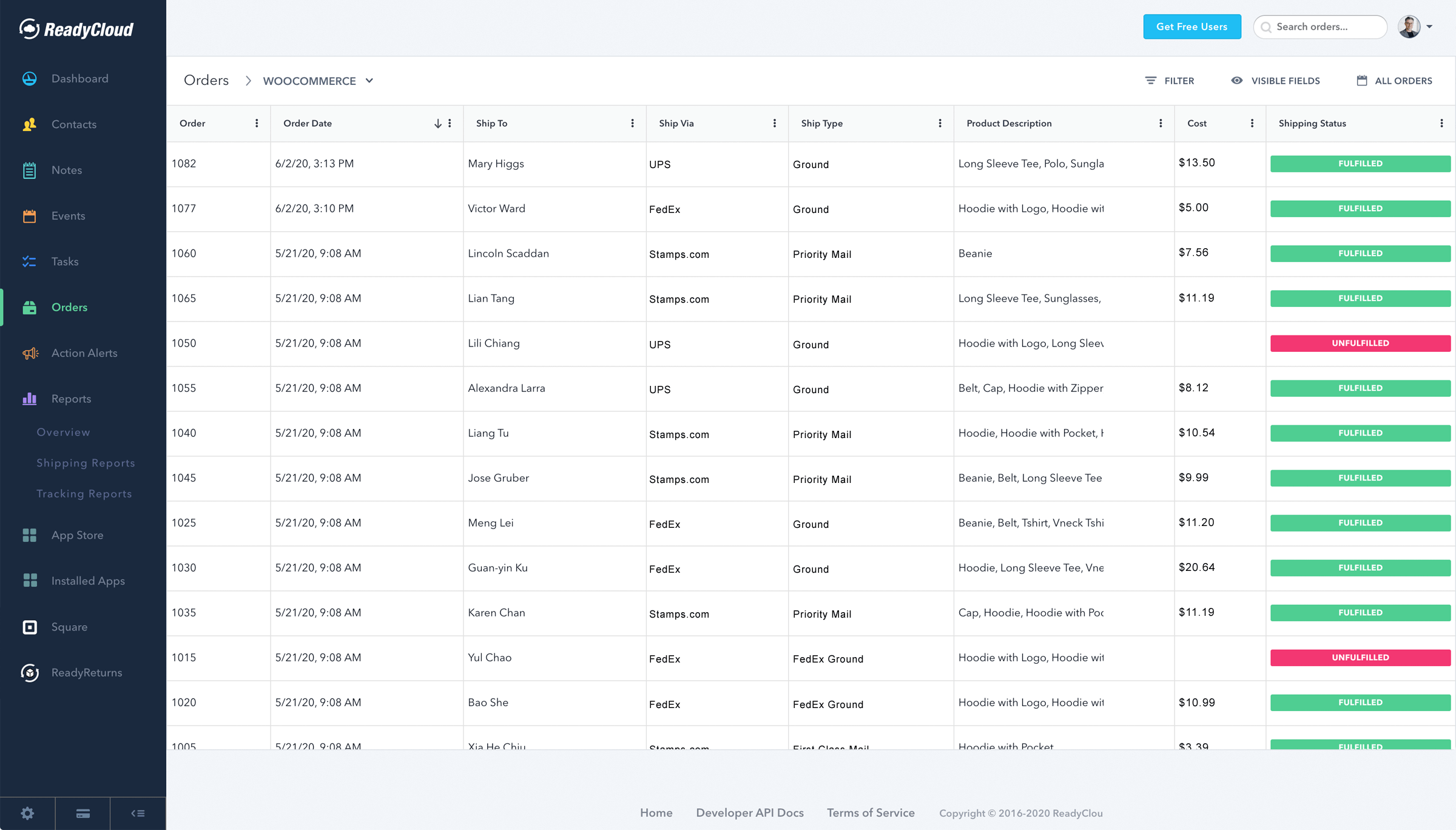
One of the clearest signs is slow throughput. Orders are ready to go, though the software makes simple tasks take longer than they should. Another sign is rising manual work. Teams are still making routine decisions that should already be handled through automation.
Disconnected systems create another major warning sign. When shipping depends on multiple tools that don’t communicate cleanly, every team ends up working harder to compensate. That may show up as missed updates, order exceptions, duplicated effort, or a growing number of support tickets tied to post-purchase confusion.
Rate shopping issues are another red flag. If teams don’t have an easy way to compare carrier options and service levels, the business may be spending more than necessary on parcel delivery. With last-mile costs already accounting for such a large share of shipping expenses, that kind of inefficiency gets expensive fast.
Peak season performance often tells the truth, too. Some platforms look fine on average, though the gaps become obvious once volume spikes. If the business struggles to keep up during busy periods, the shipping stack probably isn’t built for the scale the company is already operating at.
The Best Choice Supports Cost Control Without Slowing Teams Down
Shipping software decisions are often framed around subscription costs. That’s too narrow for a large business.
The real question is how the platform affects labor, throughput, carrier spend, customer experience, and operational flexibility over time.
A cheaper tool can end up costing more if it creates extra manual work, limits automation, or makes carrier decisions harder than they need to be. The same goes for software that can’t support growth cleanly. If the business needs another migration a year later, the short-term savings won’t look very impressive.
We believe cost control should come from stronger workflows, not weaker capabilities.
That means giving teams the ability to move faster through large order volumes. It means using rate shopping to make smarter decisions at the point of shipment. It means reducing the number of repetitive tasks that eat up time on the warehouse floor. It also means improving visibility so leaders can spot where shipping costs are rising and where performance is slipping before those issues become bigger problems.
For large businesses, the right platform should help reduce waste without slowing or making operations more rigid. That balance matters because shipping teams need control, though they also need speed.
What Large Businesses Should Compare Before Choosing A Platform
A strong evaluation process usually starts with a few practical questions.
How quickly can the team process large-order batches in real workflows?
How much automation is available for the shipping decisions the team makes every day?
How easy is it to compare carriers and service levels without interrupting fulfillment speed?
How well does the software integrate with the ecommerce platforms, marketplaces, and back-office systems the business already depends on?
How reliable is the software during busy warehouse periods, especially when volume climbs?
How likely is it that the business will outgrow the platform again in the near future?
These are better questions than a generic feature checklist because they focus on actual operating conditions. Large businesses don’t need software that sounds good in a demo. They need software that fits the pace and complexity of day-to-day fulfillment.
The strongest platforms are the ones that hold up under pressure. They help businesses maintain consistent shipping as operations expand. They also give teams room to grow without forcing constant workarounds or pieced-together processes.
Where ReadyShipper X Fits For Large Businesses
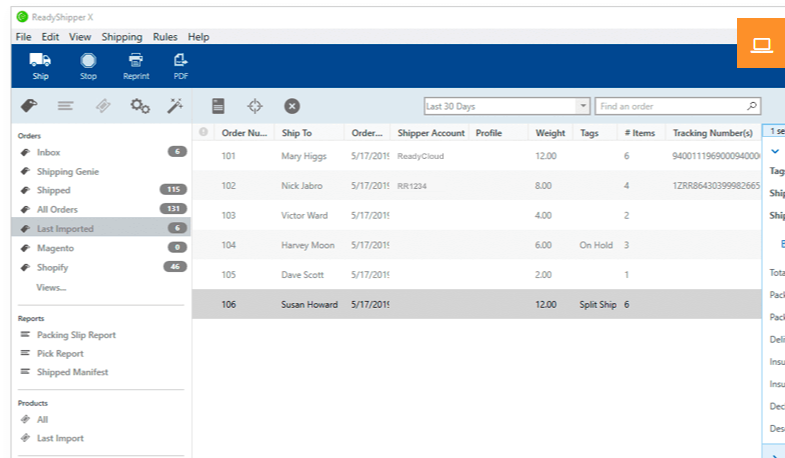
ReadyShipper X is built for businesses that need more from their shipping software. We designed it to support fast-moving ecommerce operations that require multi-carrier flexibility, strong automation, broad integrations, and a workflow that can keep up with higher shipping volume.
That matters because large businesses don’t need more clutter in the shipping process. They need more control.
ReadyShipper X helps teams process orders faster, compare carrier options more effectively, and streamline workflows across the shipping floor. It also supports the connected environment that modern ecommerce brands rely on, which is especially important when orders are flowing in from multiple sales channels and fulfillment needs are constantly changing.
We also know that warehouse performance matters just as much as features on a product page. Software has to support the real pace of fulfillment. It has to reduce friction, not add to it. That’s a big part of how we think about building tools for businesses that are serious about scale.
For companies that are starting to feel the limits of lighter shipping tools, ReadyShipper X gives them a stronger path forward. It supports growth without forcing teams to choose between speed and control.
How ReadyShipper X Compares to Other Shipping Platforms
| Feature | ReadyShipper X | Other Shipping Platforms |
| Hybrid-Cloud Technology | ✅ Yes | ❌ No |
| Multi-Carrier Rate Shopping | ✅ Yes | ✅ Yes |
| Batch Processing & Automation | ✅ Yes | ✅ Yes |
| Ecommerce & Marketplace Integration | ✅ Yes | ✅ Yes |
| Branded Tracking & Returns | ✅ Yes | ❌ No |
| Exclusive Carrier Discounts | ✅ Yes | ❌ No |
| Offline Capabilities | ✅ Yes | ❌ No |
Many platforms offer label printing and carrier integrations, but ReadyShipper X goes further by adding advanced automation, better cost-saving tools, and a hybrid-cloud model that maximizes efficiency.
Shipping Software Should Help You Scale With Less Friction
Large businesses already have enough moving parts. Shipping software shouldn’t add more complexity to the operation.
The right platform should simplify decisions, reduce manual effort, support better carrier choices, and help warehouse teams move through volume with more consistency. It should also give the business clearer visibility into what’s happening across fulfillment, from order flow to shipping cost control.
That’s the standard we believe large businesses should expect.
Shipping can either become a source of operational drag or a source of strength. A lot depends on whether the business is working with software built for the scale it’s already managing. When the platform fits the operation, teams spend less time fighting workflow issues and more time accurately and efficiently moving orders out the door.
That’s a better place to grow from.
Ready To Improve Shipping Performance At Scale
Large businesses need shipping software that works the way fulfillment teams actually work. They need speed, flexibility, visibility, and reliability in one place. They also need a system that can support the next phase of growth instead of forcing another change once volume rises again.
That’s exactly where we focus.
ReadyShipper X helps large businesses bring more control to high-volume shipping, reduce friction across fulfillment workflows, and make smarter carrier decisions without slowing the team down. When shipping complexity starts eating into margin and performance, the answer isn’t more patchwork. It’s a better system.
The Future of Ecommerce is Now
Staying ahead in the ecommerce industry means embracing innovation and anticipating changes before they arrive. The ecommerce trends shaping 2025 provide valuable insights into what’s next, but the future also brings exciting new possibilities. Businesses that adapt quickly and leverage the right tools will thrive in this dynamic landscape.
Ready for 2026? ReadyCloud Has You Covered!
Success in 2026 starts with the right tools, and ReadyCloud’s suite of solutions is designed to propel your ecommerce business to new heights. With ReadyCloud, you’ll have all your data centralized in one place, offering insights that drive smarter decisions. Take your marketing to the next level with Action Alerts, delivering growth-focused, automated campaigns that keep your customers engaged.
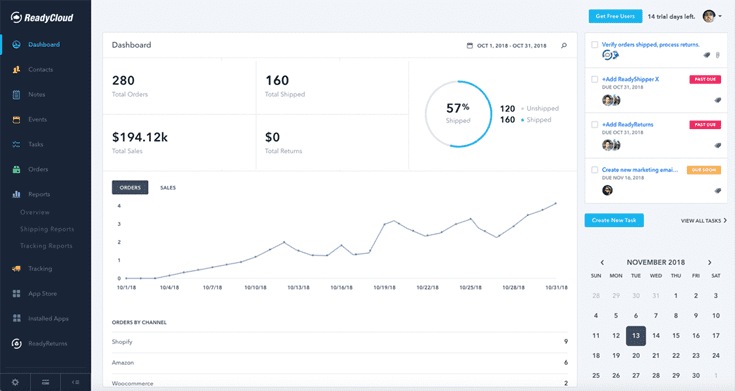
Shipping is easier than ever with ReadyShipper X, a multicarrier solution that simplifies your fulfillment process while saving time and money.
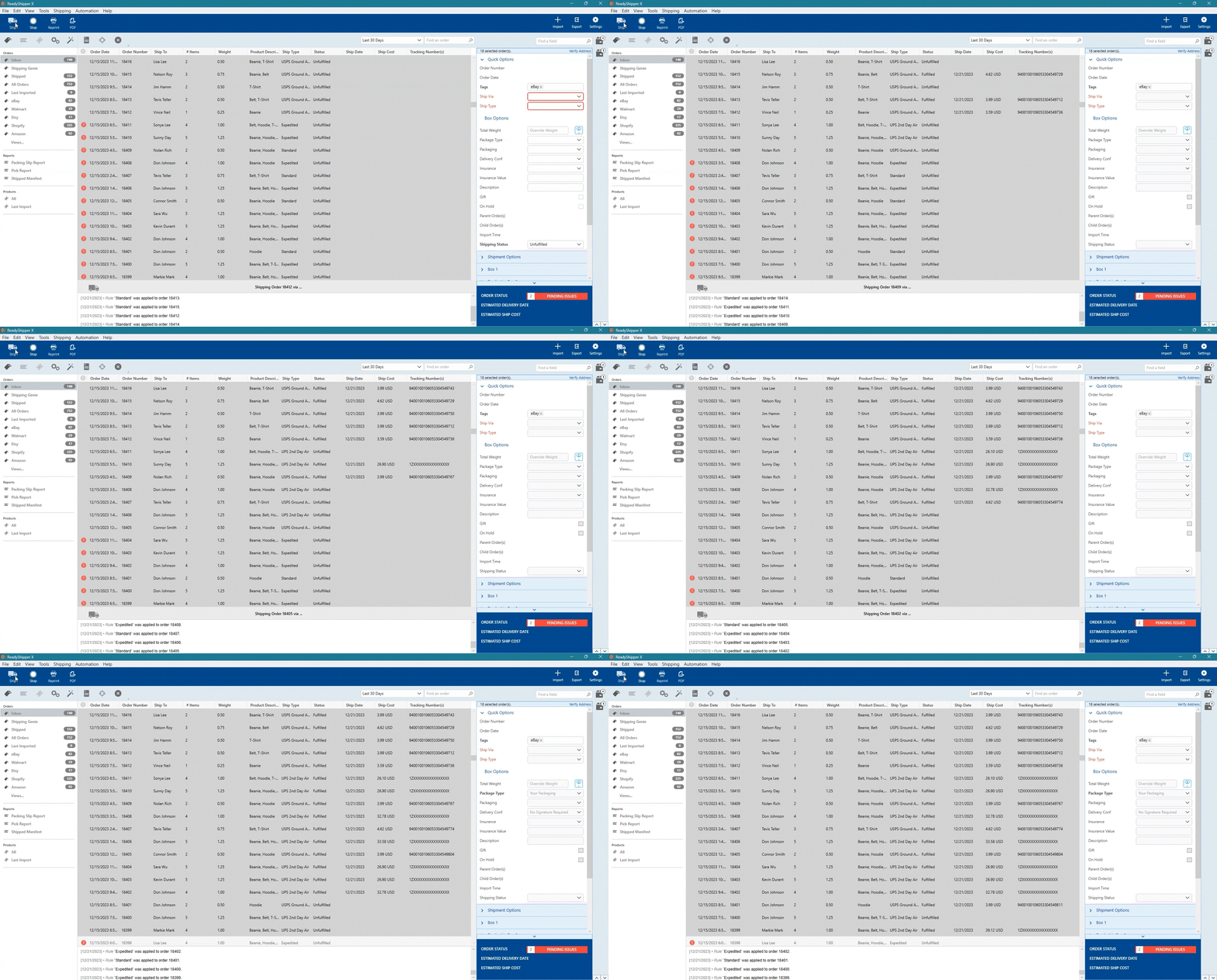
And when it comes to returns, ReadyReturns streamlines the entire process with an automated solution that boosts customer satisfaction and loyalty.
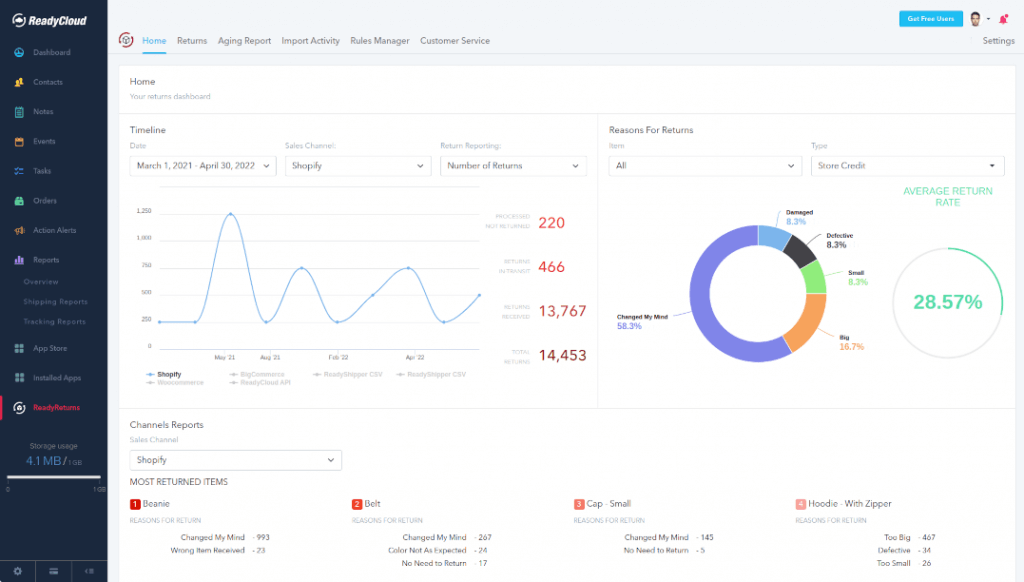
ReadyCloud is more than just a suite of systems—it’s your ticket to thriving in 2026 and beyond!
Start your journey to success today! Learn more and get started here.
Or contact our Sales Department at: 877-818-7447 ext. 1.
FAQs About the Best Shipping Software for Large Businesses
What Is The Best Shipping Software For Large Businesses?
The best choice is a platform that supports high-volume shipping, strong automation, multi-carrier flexibility, deep integrations, and dependable warehouse performance. Large businesses need more than label printing. They need software that can keep pace with real operational complexity.
What Features Matter Most In Shipping Software For Large Businesses?
The most important features usually include batch processing, automation rules, rate shopping, multi-carrier support, connected order sync, reporting, and reliable performance in real warehouse workflows.
Can Shipping Software Help Lower Fulfillment Costs?
Yes. Better shipping software can reduce manual labor, improve carrier selection, support smarter rate shopping, and cut down on costly workflow inefficiencies that grow more expensive at scale.
When Should A Business Move To Enterprise Shipping Software?
A business should make that move when order volume, channel count, manual work, or warehouse complexity starts creating delays, errors, or rising support pressure. In most cases, the signs appear before teams fully admit the software is the problem.
Does Multi-Carrier Rate Shopping Really Matter For Large Businesses?
Yes. Carrier flexibility is critical when parcel costs are under pressure and teams need to balance service speed with spend. The ability to compare options quickly can make a meaningful difference in margin protection.
Is Cloud Shipping Software Enough For High-Volume Operations?
Not always. Large businesses need to evaluate how the software performs in real warehouse conditions, not just how it looks in a browser. Reliability and speed both matter once order counts rise.
What Integrations Should Large Businesses Look For?
Businesses should look for integrations tied directly to order flow and fulfillment operations, including ecommerce platforms, marketplaces, ERPs, and connected systems that help reduce manual work across the shipping process.
How Does ReadyShipper X Support Large Shipping Operations?
ReadyShipper X supports high-volume teams with batch processing, automation, multi-carrier workflows, connected integrations, and a shipping environment built to reduce friction as operations scale.
Why Do Large Businesses Outgrow Basic Shipping Tools?
They outgrow them because volume exposes every weak point. Manual work increases, systems become harder to manage, and simple shipping tasks take longer than they should. What once felt manageable starts creating drag across the whole operation.