
NetSuite gives growing businesses a powerful foundation for managing orders, inventory, customers, and financial operations. That matters. Still, fulfillment is often where strain first shows up as order volume climbs. Teams can handle a lot inside an ERP, though shipping is where speed, accuracy, visibility, and customer expectations all collide. That is exactly why NetSuite shipping deserves a smarter strategy.
At ReadyCloud, we look at shipping as more than a warehouse task. It is an operational advantage when it is built correctly. It affects how fast your team moves, how accurately orders go out, how much time staff spend fixing mistakes, and how confident customers feel after they click buy. A label is not just a label. It is part of a larger workflow that touches customer experience, labor costs, order visibility, and growth.

As brands scale, native processes that once felt manageable can become restrictive. A few extra clicks may not seem like a major issue until they are repeated across hundreds or thousands of shipments. Manual carrier decisions may seem acceptable until peak season hits. Limited shipping logic may seem workable until fulfillment teams start fighting bottlenecks rather than clearing them.
That is where a purpose-built NetSuite shipping solution makes the difference. The goal is not to replace NetSuite. The goal is to help NetSuite do more by extending shipping, label printing, carrier flexibility, and post-purchase visibility in ways that support real growth.
“The post-purchase experience deserves a seat at the executive table because it affects both brand equity and margin. A better return process can reduce service volume while increasing customer confidence. Clearer shipping communication can lower inbound tickets while improving trust. Faster resolution can protect repeat purchases. Cleaner workflows can reduce stress on teams and make the business easier to scale.” Read Article on Forbes

What Shipping For NetSuite Really Means
Shipping for NetSuite is not just about printing a carrier label and moving on to the next order. It is the full process of taking orders from NetSuite, selecting the right carrier and service, generating labels quickly, pushing shipment details back into the ERP, and keeping the entire workflow organized as volume grows.
For smaller teams, basic shipping functions may suffice. For businesses that are scaling, the bar moves higher. They need speed at the packing station. They need consistent workflows that reduce guesswork. They need support for multiple carriers, split shipments, high-volume label printing, tracking visibility, and returns. They also need shipping data to flow back into the system so operations teams, customer service staff, and leadership all have a clearer picture of what is happening after the sale.
“The ultimate key is having access to a shipping solution that integrates with all your carriers and offers real-time rate shopping and unique rate options. Don’t wait until it’s too late. Begin setting up test shipments now, and familiarize yourself with deadlines and additional fees each carrier imposes to gain a competitive advantage.” – Read Article on Forbes
That broader view matters because fulfillment is not a disconnected step. It sits right in the middle of customer experience and operational performance. When shipping slows down, customer expectations suffer. When shipment visibility is weak, support teams spend more time answering avoidable questions and bottlenecks like WISMO come into the picture. When label workflows are clunky, labor efficiency drops. A strong NetSuite shipping setup solves all of that at once.
| Area | What It Includes | Why It Matters |
|---|---|---|
| Core Definition | Shipping for NetSuite goes far beyond printing a carrier label. It includes pulling orders from NetSuite, choosing the right carrier and service, generating labels quickly, sending shipment details back into the ERP, and keeping fulfillment organized as order volume grows. | This creates a connected shipping workflow instead of a one-step task, giving businesses better control over fulfillment as operations become more complex. |
| Needs Of Smaller Teams | Basic shipping functions may be enough for teams handling lower order volume and simpler workflows. | Smaller operations may not feel the pressure of speed, automation, and visibility issues until volume begins to rise. |
| Needs Of Scaling Businesses | Growing teams need faster packing station workflows, less guesswork, support for multiple carriers, split shipments, high-volume label printing, tracking visibility, returns, and shipment data that flows back into the system. | These capabilities help fulfillment teams scale without adding unnecessary manual work or losing control over the shipping process. |
| Operational Visibility | Shipping data should feed back into NetSuite so operations, customer service, and leadership can see what is happening after the sale. | Better visibility improves decision-making, strengthens customer support, and gives teams a clearer view of fulfillment performance. |
| Customer Experience Impact | Fulfillment sits directly between internal operations and the customer experience. Delays, weak visibility, and clunky workflows quickly affect the buyer after checkout. | When shipping slows down, customer expectations suffer and support teams spend more time handling avoidable issues such as WISMO inquiries. |
| Workflow Efficiency | Slow label workflows, weak shipment visibility, and disconnected steps reduce labor efficiency and create bottlenecks across the warehouse. | A stronger NetSuite shipping setup solves multiple problems at once by improving speed, reducing friction, and keeping fulfillment moving smoothly. |
Why Native NetSuite Shipping Can Create Friction At Scale
NetSuite provides a strong ERP environment, though many growing brands find that native shipping workflows begin to feel stretched as order volume increases. What works for a lighter daily shipping load can become a bottleneck as teams face faster fulfillment expectations, more carrier decisions, and tighter labor demands.
One problem is repetitive manual work. If staff members are making the same decisions repeatedly, fulfillment slows and error risk rises. The issue is not always dramatic. Sometimes it is just too many steps, too many clicks, or too little automation. Over time, those small inefficiencies add up in a big way.
Carrier flexibility is another pressure point. Businesses rarely want to be boxed into one shipping model when rates, service levels, and operational priorities can shift so often. The ability to use the right carrier and service for the order in front of you is not a nice extra. It is part of protecting margins and delivery performance.
Label printing can also become a hidden source of slowdown. If printing labels takes too long or requires too much manual handling, warehouse flow suffers. Teams lose rhythm, packing stations stall, and fulfillment speed drops right when customer expectations are moving in the opposite direction.
Visibility is another major factor. Shipping does not end when a label is generated. Businesses need shipment details, tracking updates, and order status to flow back into NetSuite so internal teams can work from a more complete picture. Without that, customer service and operations end up spending too much time chasing answers.

The Features That Matter Most In Shipping For NetSuite
Growing brands should expect more from their shipping setup than basic order processing. A strong NetSuite shipping solution should make the warehouse faster, the workflow smarter, and the post-purchase experience more connected.
Fast label printing is one of the first must-haves. High-volume shipping teams need a process that moves quickly and consistently. Slow printing does not just waste time. It disrupts the entire packing rhythm and creates friction that compounds across the day.
Automation is just as important. Rules-based logic can help teams assign carriers, choose service levels, and standardize shipping decisions without forcing staff to evaluate every order manually. That supports accuracy and protects labor efficiency.
Multi-carrier support matters because businesses need flexibility. Carrier performance, pricing, and delivery needs are not static. A shipping solution that offers more options allows teams to better control both customer expectations and shipping costs.
Shipment visibility should be built into the workflow, not treated as an afterthought. The right setup pushes detailed shipment and tracking information back into NetSuite so teams can respond faster, troubleshoot more effectively, and maintain better oversight across fulfillment.
Support for split shipments, batch processing, and warehouse-friendly workflows also matters. These are the practical details that help a shipping operation scale without forcing more complexity onto staff.
At ReadyCloud, we consistently frame operational challenges through the lens of visibility, workflow efficiency, and post-purchase control. That same thinking applies here. A stronger NetSuite shipping solution should help brands move faster without losing sight of the customer or the data behind every shipment.
| Capability | How It Improves Shipping Operations |
|---|---|
| Real-Time Multi-Carrier Rate Shopping | Compares live rates across multiple carriers to automatically select the most cost-effective and reliable option for every shipment. |
| One-Click Batch Label Printing | Prints hundreds of shipping labels at once, eliminating repetitive clicks and saving hours during daily fulfillment. |
| Broad Carrier Support | Native support for UPS, USPS, FedEx, and regional carriers with access to negotiated, commercial, or discounted rates. |
| Automated Shipping Rules | Applies logic based on weight, destination, service level, or order type to standardize decisions without manual review. |
| Built-In Error Handling | Flags incorrect addresses, mismatched services, and labeling issues before packages leave the warehouse. |
| Dropshipping and 3PL Support | Seamlessly supports third-party fulfillment partners and dropship workflows without custom configuration. |
| Integrated Returns Management | Includes pre-generated return labels, RMA workflows, and centralized tracking to simplify reverse logistics. |
| Branded Tracking and Notifications | Sends branded tracking pages and email updates that keep customers informed and reinforce brand trust. |
| High-Volume Scalability | Maintains performance and reliability even when processing thousands of shipments per day. |
Every one of these features supports faster order processing, fewer errors, and lower shipping costs. The result is better customer satisfaction and a stronger bottom line.
“Cloud-based solutions are tethered to the uptime of the service provider, whereas hybrid-cloud solutions mean you can keep shipping packages even if your SaaS provider is experiencing a disruption of service.” – Read Article on Forbes
Why Faster Label Printing Changes More Than Most Teams Realize
Label printing sounds simple until it starts slowing down the warehouse. Once order volume rises, label generation becomes one of the clearest pressure points in the shipping workflow. A few extra steps repeated hundreds of times can become a serious drag on fulfillment output.
That is why faster label printing is not a minor technical improvement. It is an operational upgrade. Warehouse teams need a process that keeps pace with picking, packing, and carrier handoff. When printing is slow, the entire line feels it. Stations stall. Staff members wait. Throughput suffers.
A stronger label workflow also improves consistency. Teams are better able to maintain pace when the process is predictable and efficient. That matters during peak season, promotional spikes, and everyday growth. It also reduces the frustration that can build when staff members are stuck fighting the system instead of shipping orders.
For NetSuite users, the value of better label printing goes beyond speed alone. It supports a better overall shipping environment. More orders move out accurately. Staff can focus on execution instead of workarounds. Customer expectations are easier to meet because the warehouse is not getting jammed up with preventable tasks.
| Evaluation Area | What to Look For | Why It Matters for NetSuite Users |
|---|---|---|
| Order Volume Scalability | Ability to handle both current and projected order volumes without performance degradation or downtime. | Prevents fulfillment slowdowns during growth phases, peak seasons, or promotional spikes. |
| Native NetSuite Sync | Automatic, real-time synchronization with NetSuite without manual imports or exports. | Eliminates data errors, reduces labor, and ensures shipping activity reflects true order status. |
| Automation Rules | Configurable rules to automate carrier selection, service levels, and routing decisions. | Removes repetitive decision-making and enforces consistent shipping logic across teams. |
| User Interface and Usability | Intuitive dashboard with minimal training required for daily operations. | Shortens onboarding time and allows teams to operate efficiently without technical dependency. |
| Multi-Warehouse Support | Native support for shipping from multiple warehouses, 3PLs, or fulfillment partners. | Enables faster delivery times and accurate order routing as operations become more distributed. |
| Multi-Channel Order Management | Centralized handling of marketplace, DTC, wholesale, and B2B orders in one interface. | Prevents channel silos and allows operations teams to manage complexity at scale. |
| Customer Service and Onboarding | Easy implementation, clear documentation, and responsive support without developer dependency. | Accelerates rollout and ensures teams stay productive instead of stuck in setup cycles. |
| Future Readiness | Platform flexibility to support new channels, order types, and evolving customer expectations. | Protects your investment and avoids replatforming as your business continues to grow. |
| Operational Efficiency | Demonstrated ability to save time rather than introduce additional steps or complexity. | Ensures the shipping system becomes a growth enabler, not an operational bottleneck. |
You also need to consider customer service and onboarding. A solution that requires developer assistance for setup or customization will slow down your rollout. Look for a provider that offers easy implementation, clear documentation, and responsive support.
The right system should save you time, not cost you more of it.
Why ReadyCloud + ReadyShipper X is Built for NetSuite Sellers
ReadyShipper X is the high-performance shipping engine built to handle fast-moving eCommerce and multi-channel operations. When combined with ReadyCloud CRM, it creates a powerful NetSuite shipping solution that is fast, flexible, and scalable.
This integration was designed with NetSuite sellers in mind. It connects directly to your ERP, pulling in orders and automatically syncing shipping details. You do not need a developer or API documentation to make it work. Just connect and start shipping.
Here’s what you get with ReadyShipper X:
- Batch processing that handles hundreds of orders with one click.
- Commercial rates and multi-carrier support, including UPS, USPS, FedEx, and more.
- Built-in automation rules for faster order routing and service selection.
- Visual dashboards and tracking tools inside ReadyCloud CRM.
- Branded tracking emails and customer notifications.
- Returns tools like ReadyReturns to streamline exchanges and refunds.
- Full support for marketplace, wholesale, and direct-to-consumer shipping.
- Cloud-based access, no local software installation needed.
Whether you’re fulfilling orders in-house, using a 3PL, or managing dropshipping relationships, ReadyShipper X adapts to your workflow. It saves time, reduces errors, and gives your team the tools they need to ship confidently at scale.
| Feature | Multi-Channel Shipping | Omni-Channel Shipping |
|---|---|---|
| Fulfillment Approach | Manages orders from separate sales channels independently through a centralized shipping system. | Integrates all sales and fulfillment channels into one connected journey for the customer. |
| Customer Experience | Experience may vary depending on the channel used to place the order. | Unified experience across online, in-store, mobile, and desktop purchases. |
| Returns and Exchanges | Returns are typically managed per platform or marketplace. | Supports seamless returns and exchanges across all locations and channels. |
| Inventory Visibility | Inventory is tracked per platform and often siloed. | Unified inventory visibility across all sales and fulfillment points. |
| Best Fit For | Online-only retailers selling through multiple carts or marketplaces. | Retailers operating both physical and digital storefronts who want consistency. |
| ReadyShipper X Support | Fully supports multi-channel workflows with centralized automation. | Also supports omni-channel strategies with flexible, customer-first tools. |
“You know better than anyone that shipping is a complex business with several moving parts. That’s why total shipping costs are so complicated — there are dozens of factors to take into account.” Read Full Article on Forbes
Why Multi-Carrier Shipping Is Essential For Modern Fulfillment
Businesses that rely on a single carrier strategy often give up the flexibility they cannot afford to lose. Service disruptions happen. Rates shift. Delivery expectations change. Customers want options, and operations teams need the ability to match service levels to order requirements.
That is why multi-carrier shipping matters so much in a NetSuite environment. It gives businesses better control over shipping decisions without forcing them into one narrow workflow. Teams can choose the service that makes sense for cost, speed, destination, and customer promise.
A UPS integration is a clear example of this value, especially for brands that want a reliable connection between their ERP and a major shipping partner. Still, the broader lesson is bigger than any one carrier. Long-term shipping resilience comes from having options. A strong shipping solution should support that flexibility while keeping the workflow simple enough for teams to execute quickly.
This also helps protect margins. Smarter carrier selection supports better rate shopping and more strategic shipping decisions. That can make a meaningful difference over time, especially for brands processing a high volume of orders across varied destinations and service levels.
Better Shipment Data Makes NetSuite More Useful
Shipping data should not disappear once the package leaves the warehouse. One of the biggest advantages of a stronger shipping for the NetSuite solution is the ability to bring richer shipment information back into the ERP.
That means teams can see more than just that an order was shipped. They can access tracking details, fulfillment activity, shipment history, and the broader order journey more effectively. Customer service teams benefit because they are not guessing when a customer asks about the status of an order. Operations teams benefit because they can identify issues faster and understand fulfillment performance more clearly.
This kind of visibility also strengthens accountability. Better shipment records support smoother troubleshooting, clearer internal communication, and more confidence across the business. Instead of treating shipping like a disconnected final step, businesses can manage it as part of a connected workflow that supports both operations and customer experience.
At ReadyCloud, we often talk about visibility as a business advantage, not just an operational detail. That perspective shows up throughout our broader content. Retailers do better when they can see what is happening, why it is happening, and where friction is building across the post-purchase journey.
| Feature | What It Does | Why It Matters |
|---|---|---|
| Fast Label Printing | Generates shipping labels quickly and consistently for high-volume fulfillment teams. | Keeps packing stations moving, reduces warehouse friction, and prevents slow printing from disrupting the day. |
| Shipping Automation | Uses rules-based logic to assign carriers, choose service levels, and standardize shipping decisions. | Improves accuracy, reduces manual decision-making, and protects labor efficiency as order volume grows. |
| Multi-Carrier Support | Gives teams access to multiple carrier options instead of relying on a single shipping path. | Provides flexibility as pricing, service levels, and delivery demands shift, helping control both customer expectations and shipping costs. |
| Shipment Visibility | Pushes detailed shipment and tracking information back into NetSuite as part of the workflow. | Helps teams respond faster, troubleshoot more effectively, and maintain stronger oversight across fulfillment. |
| Split Shipment Support | Handles orders that need to ship in multiple parts without creating unnecessary confusion. | Supports more complex fulfillment scenarios while keeping operations organized and scalable. |
| Batch Processing | Allows teams to process multiple shipments efficiently within a streamlined workflow. | Improves throughput, saves time, and helps high-volume operations work faster without adding extra steps. |
| Warehouse-Friendly Workflows | Creates practical shipping processes that fit the pace and realities of daily warehouse operations. | Helps teams scale fulfillment without forcing more complexity onto staff or slowing execution. |
| Post-Purchase Connectivity | Connects shipping activity with customer experience, operational visibility, and shipment data after the sale. | Helps brands move faster while staying aligned with customer needs and the data behind every shipment. |
“Returns are devastating retailers. In 2024, it was estimated that returns amounted to over $685 billion in lost revenue in the U.S. alone. That’s not just a logistics problem; it’s a significant business challenge.” Read Full Article on Forbes
Shipping Is Also Part Of The Post-Purchase Experience
The customer experience does not end at checkout. It does not end when a label prints, either. Shipping is one of the biggest parts of the post-purchase journey, and it shapes how customers feel about the brand after the order is placed.
Tracking visibility matters. Timely updates matter. A clear sense of when an order is moving, when it will arrive, and what happens next matters. Customers are not just evaluating the item they bought. They are evaluating their confidence throughout the process and the delivery experience.
That is one reason a smarter NetSuite shipping setup creates value beyond the warehouse. It supports better communication, better visibility, and a more consistent experience after the sale. That can reduce support volume, strengthen trust, and make repeat purchases easier to earn.
Returns are part of this conversation, too. Shipping, returns, and customer visibility are a single connected ecosystem rather than separate issues. Brands that manage fulfillment and post-purchase workflows together are usually in a much stronger position to scale cleanly.
What To Look For In A NetSuite Shipping Solution
If you are evaluating shipping for NetSuite, start with practical outcomes. The right solution should help your team move faster, reduce manual work, improve visibility, and support growth without adding operational clutter.
Look for strong label printing performance. Look for automation that reduces repetitive decisions. Look for multi-carrier support that gives your team real flexibility. Look for shipment details that post back into NetSuite so customer service, operations, and leadership all work from a fuller picture.
You should also pay attention to how the workflow feels for the warehouse team. A solution can sound impressive on paper but still create unnecessary friction in everyday use. The best shipping setup supports the people doing the work, not just the system holding the data.
Scalability matters, too. Your shipping process should not need to be reinvented every time order volume rises. It should already be built to handle more complexity with less strain.
| Feature | ReadyShipper X | Other Rate Shopping Tools |
|---|---|---|
| Real-Time Carrier Rate Shopping | ✅ Built-in, lightning fast | ⚠️ Often delayed or only semi-automated |
| Multi-Carrier Support | ✅ Native support for UPS, USPS, FedEx, DHL and more | ⚠️ Limited integrations or third-party plugins required |
| Use Your Own Negotiated Rates | ✅ Yes, and compare them side by side | ⚠️ Often requires manual setup or workarounds |
| Multiple Accounts Per Carrier | ✅ Fully supported | ❌ Most tools support one account per carrier |
| Smart Automation Rules | ✅ Auto-select cheapest or fastest rate based on your preferences | ❌ Manual decision-making required for each shipment |
| One-Click Label Creation | ✅ Yes, with real-time rates applied automatically | ⚠️ Extra steps or copy-paste processes required |
| Seamless eCommerce Integrations | ✅ Works with Shopify, WooCommerce, BigCommerce and more | ⚠️ Limited or outdated integration options |
| No Add-Ons or Hidden Fees | ✅ Transparent pricing, all features included | ⚠️ Feature gating, pay-per-label pricing, hidden costs |
| Built for High-Volume Shippers | ✅ Designed to handle thousands of shipments daily without slowing down | ⚠️ Performance degrades with volume |
| In-App Customer Support | ✅ Instant support from real people inside the app | ❌ Support tickets or email-only communication |
| Cloud-Based + Desktop Hybrid | ✅ Use it where you work, in the cloud or on your desktop | ❌ Typically cloud-only or legacy desktop systems |
| Zero Guesswork Shipping | ✅ Rate shopping baked into every shipment | ⚠️ You’re on your own to compare rates manually |
Why ReadyCloud Is Built For Smarter Shipping For NetSuite
At ReadyCloud, we believe growing brands need more than disconnected shipping tools or patchwork workflows. They need a connected system that supports fulfillment speed, operational control, and better post-purchase visibility from the start.
That is why our NetSuite shipping approach is built around practical outcomes. Faster label printing helps teams keep the warehouse moving. Automation reduces repetitive work and supports cleaner execution. Multi-carrier support gives brands more flexibility. Richer shipment data flowing back into NetSuite helps teams work with more confidence and clarity.
We also understand that scaling fulfillment is not only about moving boxes faster. It is about protecting margins, reducing friction, and improving the customer experience post-sale. That same thinking is visible across our content around returns, visibility, and post-purchase operations. We consistently frame operational challenges as interconnected issues that warrant interconnected solutions, and shipping for NetSuite fits squarely within that model.
“The post-purchase experience shapes your brand just as much as what draws a customer to it before they buy. Branding or advertising begin to shape customer confidence, but the experience that follows checkout influences loyalty more.” Read Article on Fast Company
Ready To Make NetSuite Shipping Work Smarter?
If your team is growing and your shipping process is starting to feel slower, more manual, or harder to manage, it may be time for a better approach. ReadyCloud helps businesses extend NetSuite with faster label printing, stronger automation, multi-carrier flexibility, and better shipment visibility so fulfillment can scale with less friction. The result is a shipping operation that supports growth rather than slows it down. When shipping works better, your warehouse moves faster, your team gains more control, and your customers get a smoother post-purchase experience. That is the difference a smarter NetSuite shipping solution can make.
The Future of Ecommerce is Now
Staying ahead in the ecommerce industry means embracing innovation and anticipating changes before they arrive. The ecommerce trends shaping 2025 and beyond provide valuable insights into what’s next, but the future also brings exciting new possibilities. Businesses that adapt quickly and leverage the right tools will thrive in this dynamic landscape.
Ready for 2026? ReadyCloud Has You Covered!
Success in 2026 starts with the right tools, and ReadyCloud’s suite of solutions is designed to propel your ecommerce business to new heights. With ReadyCloud, you’ll have all your data centralized in one place, offering insights that drive smarter decisions. Take your marketing to the next level with Action Alerts, delivering growth-focused, automated campaigns that keep your customers engaged.
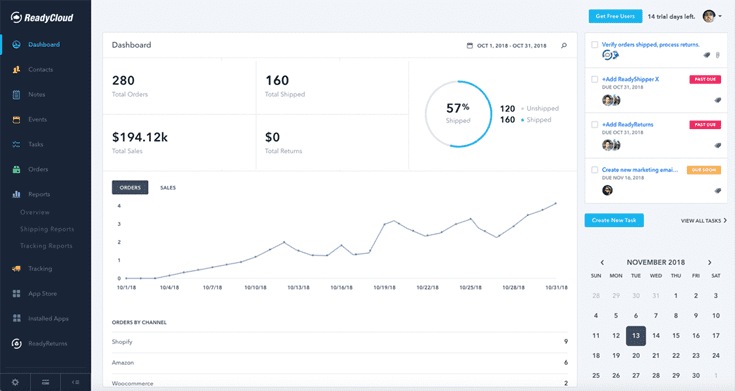
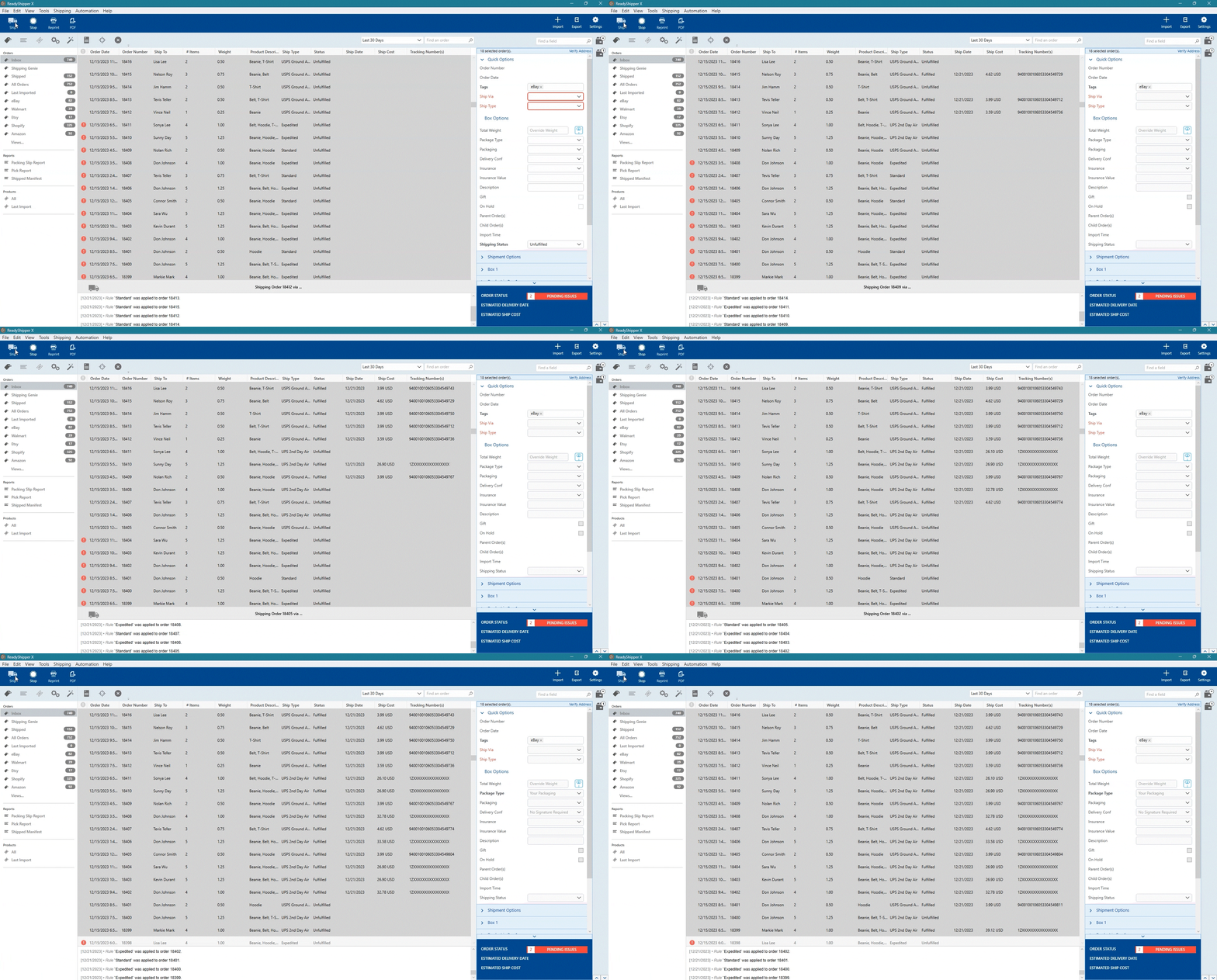
Shipping is easier than ever with ReadyShipper X, a multicarrier solution that simplifies your fulfillment process while saving time and money.
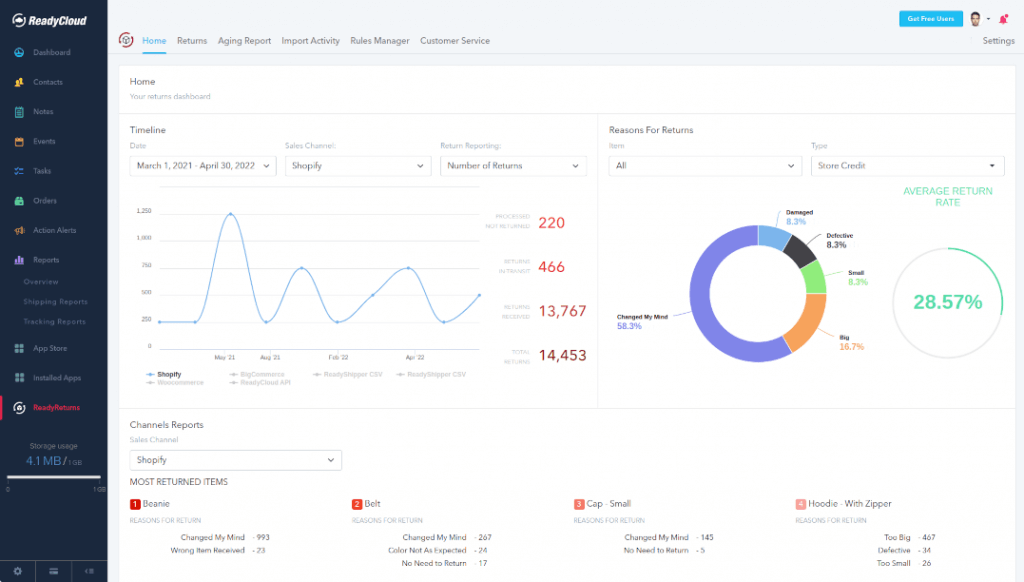
And when it comes to returns, ReadyReturns streamlines the entire process with an automated solution that boosts customer satisfaction and loyalty.
ReadyCloud is more than just a suite of systems—it’s your ticket to thriving in 2025 and beyond!
Start your journey to success today! Learn more and get started here.
Or contact our Sales Department at: 877-818-7447 ext. 1.
What Is Shipping For NetSuite?
Shipping for NetSuite is the process of managing order fulfillment, carrier selection, label printing, shipment tracking, and shipping data inside and around the NetSuite environment. A strong setup goes beyond basic label creation and helps businesses improve speed, accuracy, visibility, and customer experience as order volume grows.
Does NetSuite Have Built-In Shipping Tools?
Yes, NetSuite includes shipping functionality. Still, many growing businesses find that native tools can feel limited once fulfillment volume increases. That is usually when faster label printing, stronger automation, multi-carrier support, and better shipment visibility become much more important.
How Do You Print Shipping Labels In NetSuite?
Businesses can print shipping labels via NetSuite workflows, though the experience may vary by setup. For high-volume teams, a dedicated shipping solution often creates a faster, more efficient label process that reduces manual handling and keeps warehouse operations running smoothly.
Can NetSuite Integrate With UPS?
Yes, NetSuite can integrate with UPS. That matters for businesses that want a more connected shipping workflow with fewer manual steps and stronger fulfillment accuracy. UPS integration can be part of a broader multi-carrier strategy that gives teams more control over service and cost.
Can NetSuite Support Multi-Carrier Shipping?
Yes, though the level of flexibility depends on the shipping solution in place. Multi-carrier support is valuable because it helps businesses choose the right service for each shipment, manage costs more carefully, and stay flexible when delivery needs or carrier conditions change.
Why Does Label Printing Matter So Much In NetSuite Shipping?
Label printing affects more than output at a single station. It shapes warehouse pace, labor efficiency, and fulfillment consistency. Slow or clunky label workflows can create bottlenecks that ripple across the entire shipping operation, especially during high-volume periods.
How Can Shipping In NetSuite Be Automated?
Shipping can be automated through rules-based workflows that help assign carriers, choose service levels, standardize recurring decisions, and push shipment information back into NetSuite. That kind of automation reduces repetitive tasks and helps teams scale with better consistency.
What Should Businesses Look For In A NetSuite Shipping Solution?
Businesses should look for fast label printing, automation, multi-carrier flexibility, shipment visibility, warehouse-friendly workflows, and support for scaling order volume cleanly. The right solution should improve operations without creating more complexity for the team using it every day.
Is ReadyCloud A Good Fit For High-Volume NetSuite Shipping?
ReadyCloud is built for brands that need shipping to move faster, work smarter, and provide stronger post-purchase visibility. For businesses using NetSuite, that means a more connected fulfillment process with better automation, stronger operational control, and a smoother customer experience post-sale.