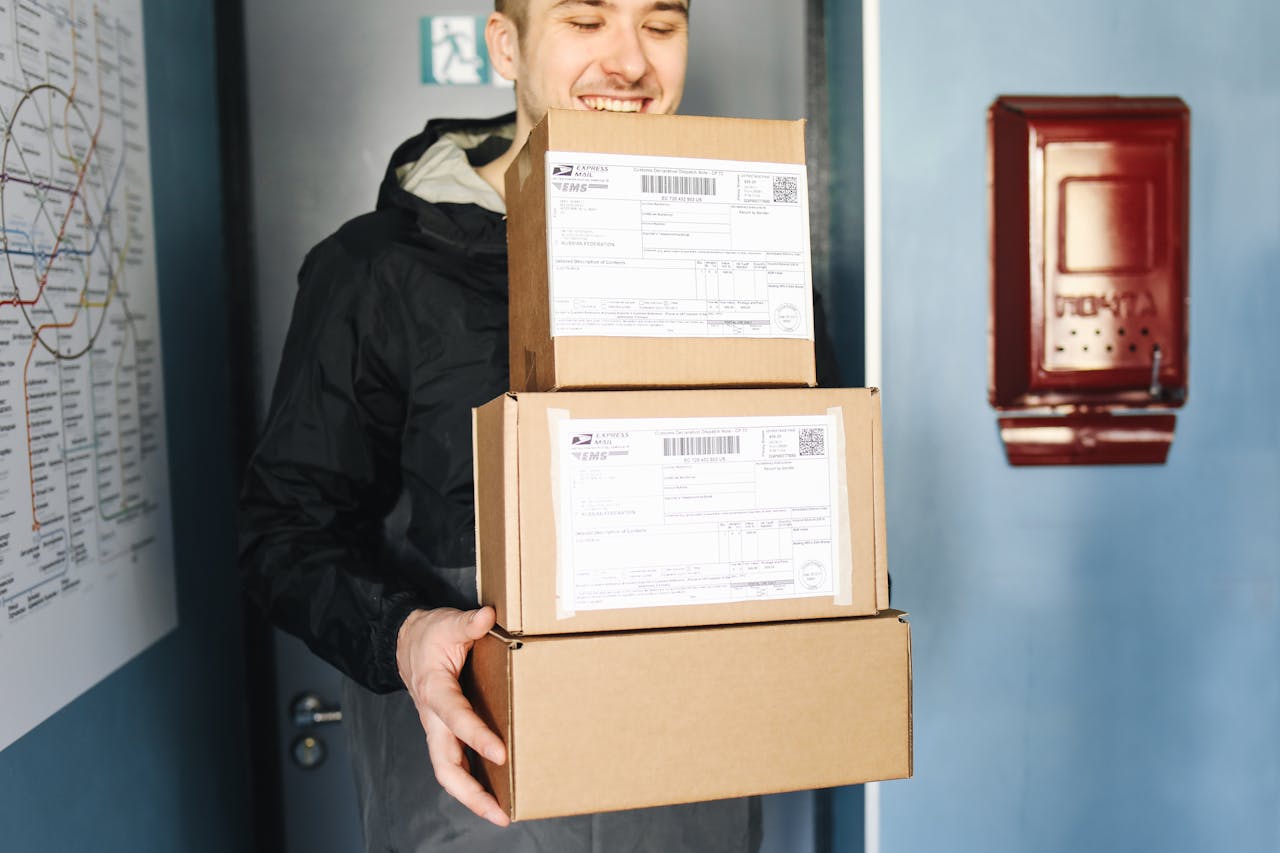
If you run an ecommerce business, you’ve seen it before. A customer places an order, receives the confirmation email, waits a little longer than expected, then reaches out with a simple question that creates a much bigger operational problem: “Where is my order?”
That question has a name in ecommerce. WISMO stands for “Where Is My Order” and represents one of the most common support issues that online retailers face. At first glance, it can seem like a routine customer service matter. In reality, it affects labor costs, team efficiency, customer trust, and repeat purchase behavior in ways many brands underestimate.
At ReadyCloud, we see WISMO as more than a support ticket category. It’s a signal. It usually points to a gap in visibility, communication, or post-purchase confidence. The customer isn’t only asking for a package update. They’re asking whether your brand still controls the experience after checkout.
“Growing e-commerce brands have set a new standard. They’re demonstrating that, with the right strategy in place, the post-purchase experience can be elevated. And customers are noticing it. For the larger retailers in the pond, this represents a monumental shift that swings from traditional customer acquisition to long-term retention.” Read Article on Forbes
| Category | Product | Best For | Key Features |
|---|---|---|---|
| CRM | ReadyCloud CRM | Teams needing complete customer visibility | Unified customer profiles, activity timelines, multichannel data synchronization |
| Shipping | ReadyShipper X | High-volume fulfillment across multiple carriers | Batch label printing, real-time rate comparison, automation rules |
| Returns | ReadyReturns | Enterprise-grade return automation | Branded return portals, RMA workflows, analytics, exchange options |
| Task Management | ReadyCloud Tasks | Cross-team ecommerce and operations workflows | Project tracking, task assignments, accountability and visibility |
| App Integration | ReadyCloud App Store | Connecting platforms, marketplaces, and carriers | Shopify, BigCommerce, WooCommerce, Amazon, eBay, and more |
That matters because the post-purchase journey carries a lot more weight than many retailers realize. Customers may forgive a short delay. They’re far less likely to feel good about silence, confusing tracking updates, or having to chase down answers on their own. Once support queues fill up with repetitive order-status questions, the cost spreads fast across your operation.
During normal periods, WISMO inquiries often account for 10% to 25% of customer service contacts. During peak holiday periods, that number can surge much higher, sometimes reaching 50% or more. Each one of those interactions carries a cost, and poorly handled shipping delays can do real damage to loyalty.
What WISMO Means in Ecommerce
WISMO is shorthand for “Where Is My Order?” In ecommerce, it refers to customer inquiries about order status after a purchase has been placed.
That sounds simple enough, though the real issue sits underneath the question. Customers usually ask because they can’t clearly see what’s happening with the shipment, don’t trust the delivery timeline they were shown, or feel uncertain after tracking stalls or becoming confused. In some cases, the order hasn’t actually gone off track at all. The customer just hasn’t received enough useful communication to feel confident that everything is moving as expected. It’s important to keep in mind that WISMO isn’t always caused by a failed delivery. In many cases, it’s caused by a failed experience.
A customer may receive a tracking number that doesn’t update for a day or two. Another customer may get an order confirmation, but no shipment milestone alerts after that. Someone else may see a vague carrier message that raises more questions than it answers. Every one of those moments increases the odds that support will hear from them.
| Trigger | Why It Generates Customer Support Tickets |
|---|---|
| Carrier Backlogs | Packages are picked up but sit in transit hubs longer than expected, making customers believe orders were not shipped. |
| Missed Tracking Scans | Tracking appears frozen when a scan is skipped, prompting customers to ask for order status updates. |
| Split Shipments | Multiple packages arrive separately while customers expect one delivery, causing confusion and inquiries. |
| Address Issues | Invalid or incomplete addresses create carrier holds or returns to sender, triggering customer concern. |
| Label Errors and Mis-picks | Incorrect items or routing mistakes lead to misdirected shipments and service complaints. |
| Warehouse Bottlenecks | Orders sit packed but not handed off to carriers, creating delays between confirmation and movement. |
| Weather Disruptions | Regional storms delay transportation networks and extend delivery times without clear explanations. |
| Unclear Tracking Pages | Vague or generic tracking messages fail to explain normal shipping stages, leading customers to contact support. |
WISMO Statistics Retailers Should Know
WISMO isn’t a small support issue that shows up once in a while. For many ecommerce brands, it represents a steady share of customer service volume all year and becomes much more expensive during busy periods.
DigitalGenius reports that WISMO inquiries typically account for 10% to 25% of support contacts during normal months, with peak periods often pushing that rate into the 15% to 40% range. Some studies cited there show spikes reaching 50% to 80% during holiday pressure. The same source notes that each WISMO interaction can cost roughly $4 to $12 to handle, which means even a moderate ticket load can turn into a major operational expense fast.
DigitalGenius also reports that about 11% of packages hit a shipping exception, 96% of shoppers track their orders when tracking is available, and 43% check tracking daily. That level of attention explains why silence between milestones creates so much anxiety. Customer loyalty takes a hit too. DigitalGenius cites that 69.7% of shoppers are less likely to buy again after a delayed package if they aren’t kept informed.
Shopify’s guidance on WISMO points to the same conclusion in practical terms: retailers reduce these tickets when they communicate proactively, give shoppers a dedicated self-service tracking page, and set shipping expectations clearly before checkout.
Salesforce research adds a broader customer experience warning here, showing that 43% of consumers say poor customer service will stop them from making a repeat purchase from a brand.
Put together, the message is clear. WISMO affects support costs, team workload, and repeat revenue at the same time, which is why retailers need to treat post-purchase visibility as a business priority, not just a customer service task.
| WISMO Metric | What The Data Shows | Why It Matters For Retailers |
|---|---|---|
| Typical Support Share | WISMO inquiries often make up 10% to 25% of customer service contacts during normal periods. | Order-status questions represent a consistent support burden, not an occasional issue. |
| Peak Season Volume | During busy periods, WISMO rates often rise to 15% to 40%, with some studies showing spikes as high as 50% to 80%. | Holiday pressure can overwhelm support teams fast when post-purchase visibility is weak. |
| Cost Per Inquiry | Each WISMO interaction can cost roughly $4 to $12 to handle. | Even a moderate ticket load can create major operational costs over time. |
| Shipping Exceptions | About 11% of packages hit a shipping exception, such as a delay or stalled movement. | Exceptions create uncertainty quickly and often trigger inbound support volume. |
| Tracking Adoption | About 96% of shoppers track their orders when tracking is available. | Customers are paying close attention after checkout and expect clear, ongoing updates. |
| Daily Tracking Behavior | About 43% of shoppers check tracking updates daily. | Gaps between shipment milestones can create anxiety and push customers to contact support. |
| Loyalty Risk From Poor Delay Communication | About 69.7% of shoppers are less likely to buy again after a delayed package if they are not kept informed. | Weak communication during delays can hurt repeat purchase rates and long-term customer value. |
| Repeat Purchase Risk From Bad Service | Salesforce research shows that 43% of consumers will stop buying from a brand after poor customer service. | WISMO is not just a support issue. It can directly affect retention and future revenue. |
| Most Effective Ways To Reduce WISMO | Retailers lower WISMO by sending proactive email and SMS updates, offering a dedicated self-service tracking page, and setting clear shipping expectations before checkout. | Strong post-purchase communication helps reduce tickets, lower support strain, and improve customer confidence. |
“Cloud-based solutions are tethered to the uptime of the service provider, whereas hybrid-cloud solutions mean you can keep shipping packages even if your SaaS provider is experiencing a disruption of service.” – Read Article on Forbes
Why WISMO Happens So Often
Most customers don’t reach out because they want to create extra work for themselves. They reach out because uncertainty builds fast after checkout.
Shipping timelines are one of the biggest triggers. If delivery expectations aren’t clear on the product page, in the cart, and in the confirmation flow, customers will fill in the blanks themselves. Once the order arrives later than they imagined, concern starts to rise.
Tracking visibility is another major issue. A tracking link should reduce anxiety. Too often, it does the opposite. When scans are delayed, statuses are vague, or shipment movement appears to pause, customers assume something is wrong. Even if the package is still moving normally through the carrier network, the shopper may already feel that they need to contact support.
Carrier exceptions add another layer. Weather disruptions, missed handoffs, routing issues, address problems, and delivery attempts can all create confusion. If your brand doesn’t communicate clearly when those events happen, customers are left to figure it out on their own.
Returns and exchanges can also create a second wave of WISMO-style questions after delivery. A shopper may ask where their exchange item is, whether a return has been received, or when a refund will be processed. That means the issue doesn’t end at the doorstep. It can follow the order through the full post-purchase lifecycle.

Why WISMO Costs More Than It Looks Like On Paper
A single order-status question may not seem expensive. Multiply that question across hundreds or thousands of orders, and the impact becomes impossible to ignore.
Support teams feel it first. WISMO tickets are repetitive, time-consuming, and rarely high-value from an agent’s perspective. Your team may spend large parts of the day explaining carrier scans, checking shipment statuses, and reassuring customers that a package is still on the way. That work matters, though it also keeps agents away from more complex issues where they can have a bigger impact.
Labor costs climb fast. Our peak-season WISMO playbook highlights that each WISMO interaction can cost retailers between $3 and $12 in operational costs. That range adds up quickly, especially for brands shipping at volume. A mid-sized retailer moving 50,000 orders a month can end up spending tens of thousands of dollars on preventable status inquiries if WISMO rates rise.
There’s also the cost of burnout. Support teams don’t just absorb more volume during heavy shipping periods. They often ask the same question repeatedly. That repetition wears teams down, slows response times, and makes it harder to maintain a strong customer experience across all channels.
Then there’s the less visible cost. WISMO affects loyalty. A shopper who feels ignored during a delay may still receive the package, though the relationship with the brand has changed. Trust is harder to rebuild than it is to preserve.
“In a perfect world, you’d have the solution you needed in just a few clicks. In reality, not all software accommodates the specific needs of the individual retailer. When creating a balanced shipping strategy for your online business, it’s imperative that you ensure the feature sets you need are in place, so you can fulfill faster and go home early.” – Read Article on Forbes

Why WISMO Is Really A Customer Experience Issue
Retailers sometimes treat WISMO as a shipping problem. In truth, it’s just as much a customer experience problem.
Customers don’t only want their order to arrive. They want reassurance that it’s moving, transparency if it isn’t, and confidence that the brand will keep them informed without forcing them to ask. That expectation isn’t unreasonable. Online shopping has trained people to watch every step of the journey closely.
The emotional side of the issue matters more than many brands realize. A delayed package is frustrating. A delayed package with no useful communication feels careless. Even if the root cause sits with the carrier, the customer still associates the experience with the retailer they bought from.
That’s why post-purchase communication matters so much. Every confirmation, shipment update, exception alert, delivery notice, return receipt, and refund milestone shapes the customer’s impression of your business. Silence creates doubt. Clarity creates confidence.
At ReadyCloud, we believe brands protect loyalty when they treat the post-purchase experience with the same seriousness they give conversion. The sale isn’t the finish line. It’s the start of a period where customers want proof that your operation is organized, responsive, and reliable.
| Milestone | Purpose and Customer Impact |
|---|---|
| Order Confirmation | Sets expectations with processing timelines, delivery windows, and a self-service tracking link. |
| Label Created | Explains what happens next in plain language so customers understand the package may not move immediately. |
| First Carrier Scan | Confirms the shipment is in transit and shows real movement, reducing order status inquiries. |
| Delay or Exception Update | Reassures customers during disruptions while clearly outlining next steps and revised expectations. |
| Out-for-Delivery Notification | Provides a delivery heads-up that prevents “will it arrive today” support messages. |
| Delivered Confirmation | Confirms arrival and includes instructions in case the package cannot be located. |
| Post-Delivery Check-In | Routes problems to support early and prevents negative reviews or public complaints. |

“Post-purchase is a crucial part of the customer journey, but it often doesn’t get the attention it deserves, especially at the enterprise level. What’s interesting is how many growing e-commerce brands are outshining larger retailers when it comes to what happens after the “buy” button is clicked.” – Read Article on Forbes
How Retailers Can Reduce WISMO Before Customers Reach Out
The best WISMO strategy is proactive. Once a customer contacts support, the cost is already in motion. The stronger play is reducing the need to ask in the first place.
Start with an expectation setting. Shipping timelines should be clear before checkout, not hidden in policy pages or left open to interpretation. Product pages, cart messaging, and order confirmations should work together to set a realistic understanding of when the customer can expect movement and delivery.
Next comes communication cadence. Customers should hear from your brand at every major milestone. Order confirmation matters. Shipment confirmation matters. In-transit updates matter. Delivery matters. Exception alerts matter even more. If something goes wrong, the customer should hear it from you first.
Self-service tracking also plays a major role. Customers should be able to check order status quickly on your site without digging through old emails or jumping between different carrier pages. A clean, branded tracking experience reduces confusion and keeps the customer connected to your business, not just the carrier network.
Exception management is another key piece. Some delays can’t be prevented. What you can control is how quickly and clearly you respond. Proactive alerts about carrier exceptions, stalled movement, or delayed delivery windows help reduce the uncertainty that leads to tickets.
Return visibility matters, too. Post-purchase communication shouldn’t stop once the order is delivered. Customers still want to know whether a return has been received, whether an exchange is being processed, and when a refund will be issued. Strong returns communication prevents the same pattern of confusion from repeating later in the lifecycle.
Why Connected Post-Purchase Tools Matter
Reducing WISMO takes more than a tracking link. It takes connected systems that keep fulfillment, communication, and returns aligned.
That’s the approach we take at ReadyCloud. We don’t see WISMO as an isolated support problem. We see it as the result of disconnected post-purchase workflows.
ReadyShipper X helps retailers create cleaner, more accurate shipping operations. Fewer fulfillment errors and stronger shipment visibility give customers a better starting point from the moment an order leaves the warehouse.
Action Alerts helps brands stay in front of the customer with timely, event-based communication. Instead of waiting for a shopper to ask what’s happening, retailers can send updates tied to the actual order journey, including exceptions and key milestones.
ReadyReturns closes the loop on the back end of the post-purchase experience. Customers want visibility after delivery too, especially when a return, refund, or exchange is involved. When that process is clear, structured, and easy to follow, support teams see fewer repetitive questions and customers feel more confident in the brand.
That’s why our WISMO playbook focuses on the full post-purchase picture. Retailers don’t lower WISMO with one isolated fix. They lower it when shipping, alerts, and returns work together to reduce uncertainty from start to finish.
“Many retailers are simply not equipped to manage what’s coming. But some are. These are the brands already investing in technology, training and process optimization to turn what used to be a logistical nightmare into a competitive edge.” – Read Article on Forbes
The Most Common Triggers Behind WISMO Tickets
A few issues tend to drive WISMO more than anything else.
Delayed carrier scans are a major issue. A package may be in motion, though if the tracking page looks frozen, the customer assumes it’s stuck.
Unclear delivery expectations create another common problem. If a customer expects two-day delivery because the product page implied it, a four-day delivery window can feel like a failure even if it technically falls within your stated policy.
Shipping exceptions push concern even higher. A weather event, routing delay, or address issue may be fixable, though if the customer learns about it from a vague carrier message instead of your brand, support volume usually follows.
Inventory and fulfillment mistakes can trigger WISMO, too. If an order is delayed before it even leaves the warehouse, customers may still think it’s a transit issue unless your communication explains what’s happening.
Returns and exchanges create their own version of the same problem. Customers want visibility into every stage, not just the outbound shipment. If your post-delivery workflows are disconnected, you can end up trading one set of WISMO tickets for another.
What A Strong WISMO Strategy Looks Like In Practice
A strong WISMO strategy sets clear delivery expectations before purchase, keeps customers informed after the order is placed, offers self-service tracking, sends alerts when exceptions happen, and gives returns and exchanges the same level of visibility. Most of all, it keeps customers from feeling left in the dark between checkout and delivery.
Many retailers still rely on disconnected systems, manual updates, or generic tracking flows that don’t match the real customer experience, which leads to uncertainty, rising support volume, and avoidable costs. Peak season only makes those gaps more obvious, because WISMO doesn’t suddenly appear during the holidays. Higher order volume simply exposes weak communication and visibility faster.
That may sound obvious, though many brands still rely on disconnected systems, manual updates, or generic tracking flows that don’t reflect the actual customer experience. The result is predictable. Customers feel unsure, support volume rises, and teams spend money solving a problem that could have been reduced earlier.
Peak season makes this even more important. WISMO doesn’t suddenly appear in November. Weak communication and weak visibility are already there. High order volume just exposes them faster.
Why ReadyCloud Treats WISMO As A Growth Issue
It’s easy to look at WISMO and focus only on cost reduction. There’s real value in that, of course. Fewer tickets mean lower support spend and less operational drag. Still, the bigger opportunity is growth through a better experience.
Customers remember how brands communicate after the sale. A smooth post-purchase journey makes the business feel trustworthy, organized, and easy to buy from again. A confusing one creates friction that lingers long after the package arrives.
That’s why we treat WISMO as a growth issue, not just an efficiency issue. Brands that reduce unnecessary order-status tickets often do more than lighten support volume. They improve retention, protect customer lifetime value, and create a stronger overall impression of the brand.
The post-purchase experience is one of the clearest places to stand out in ecommerce. Plenty of retailers compete on product and price. Far fewer deliver a consistently clear, proactive, low-friction experience after checkout. That gap creates an opportunity for brands willing to take it seriously.
Reduce WISMO Rates with an Agile System
Ready to reduce WISMO and give customers more confidence after checkout? See how ReadyCloud connects shipping, action alerts, and returns visibility to help ecommerce brands cut support volume and improve the post-purchase experience.
The Future of Ecommerce is Now
Staying ahead in the ecommerce industry means embracing innovation and anticipating changes before they arrive. The ecommerce trends shaping 2025 provide valuable insights into what’s next, but the future also brings exciting new possibilities. Businesses that adapt quickly and leverage the right tools will thrive in this dynamic landscape.
Ready for 2026? ReadyCloud Has You Covered!
Success in 2026 starts with the right tools, and ReadyCloud’s suite of solutions is designed to propel your ecommerce business to new heights. With ReadyCloud, you’ll have all your data centralized in one place, offering insights that drive smarter decisions. Take your marketing to the next level with Action Alerts, delivering growth-focused, automated campaigns that keep your customers engaged.
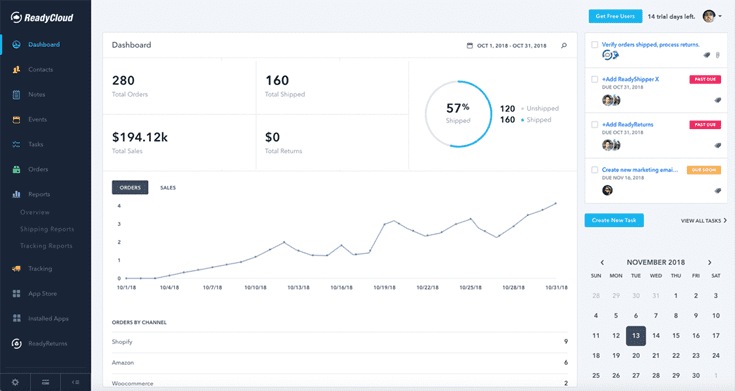
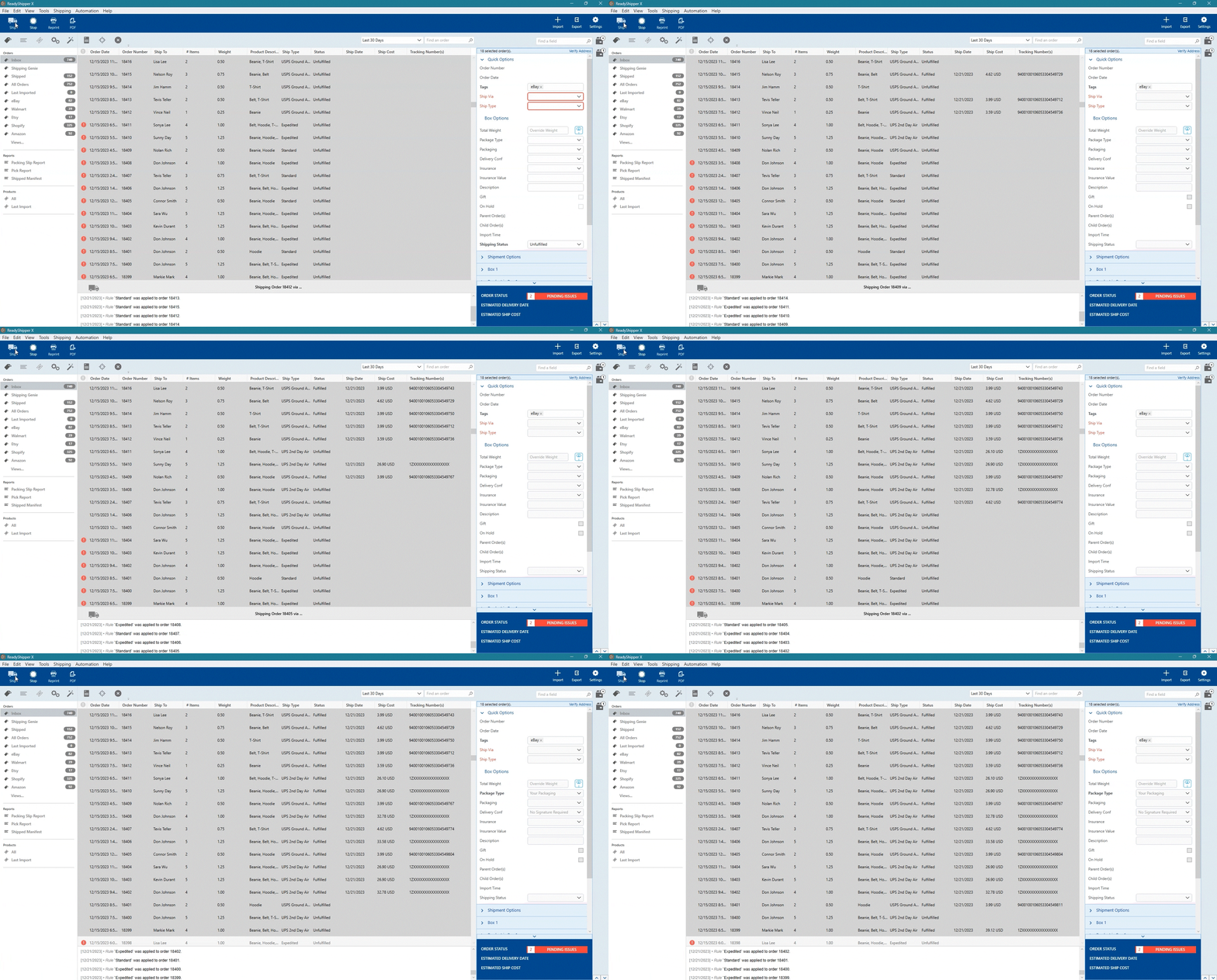
Shipping is easier than ever with ReadyShipper X, a multicarrier solution that simplifies your fulfillment process while saving time and money.
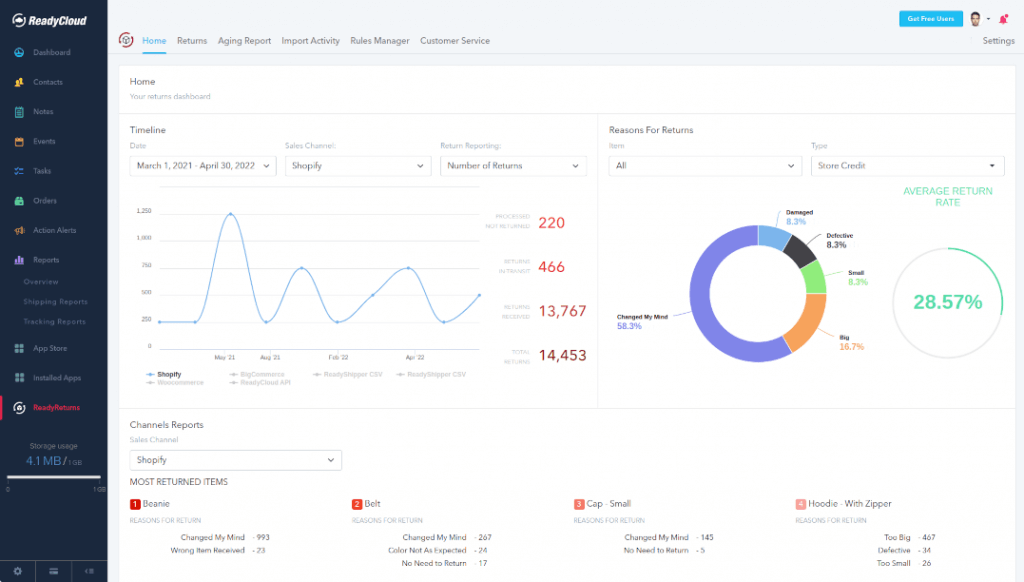
And when it comes to returns, ReadyReturns streamlines the entire process with an automated solution that boosts customer satisfaction and loyalty.
ReadyCloud is more than just a suite of systems—it’s your ticket to thriving in 2026 and beyond!
Start your journey to success today! Learn more and get started here.
Or contact our Sales Department at: 877-818-7447 ext. 1.
FAQs About WISMO
What Is WISMO?
WISMO stands for “Where Is My Order?” It’s a common ecommerce term for customer inquiries about order status after a purchase has been placed.
Why Do Customers Ask Where Is My Order?
Customers usually ask when delivery timelines feel unclear, tracking looks stalled, shipment updates are missing, or a carrier exception creates uncertainty that they can’t easily resolve on their own.
How Common Are WISMO Tickets?
WISMO inquiries often make up a significant share of ecommerce support volume. During peak periods, they can rise sharply, creating major strain across support teams.
Why Is WISMO Such A Big Problem For Retailers?
It increases support costs, adds repetitive workload for agents, slows service across channels, and can damage customer trust if delays or exceptions aren’t communicated clearly.
Can Better Tracking Reduce WISMO?
Yes. Clear, self-service order tracking reduces uncertainty, lowering the number of customers who feel they need to contact support for updates.
Do Shipping Delays Always Cause WISMO?
No. Delays can contribute to WISMO, though many tickets happen because communication is weak, tracking is confusing, or expectations weren’t set clearly before checkout.
How Can Ecommerce Brands Lower WISMO?
Retailers can lower WISMO by using realistic delivery messaging, proactive email and SMS alerts, strong exception handling, self-service tracking pages, and improved returns visibility.
Does WISMO Continue After Delivery?
Yes. Customers may ask similar order-status questions during returns, refunds, and exchanges if they can’t clearly see the stage of the process.
What ReadyCloud Tools Help Reduce WISMO?
ReadyShipper X supports cleaner fulfillment, Action Alerts help send timely order updates, and ReadyReturns add visibility after delivery so customers stay informed throughout the full post-purchase journey.