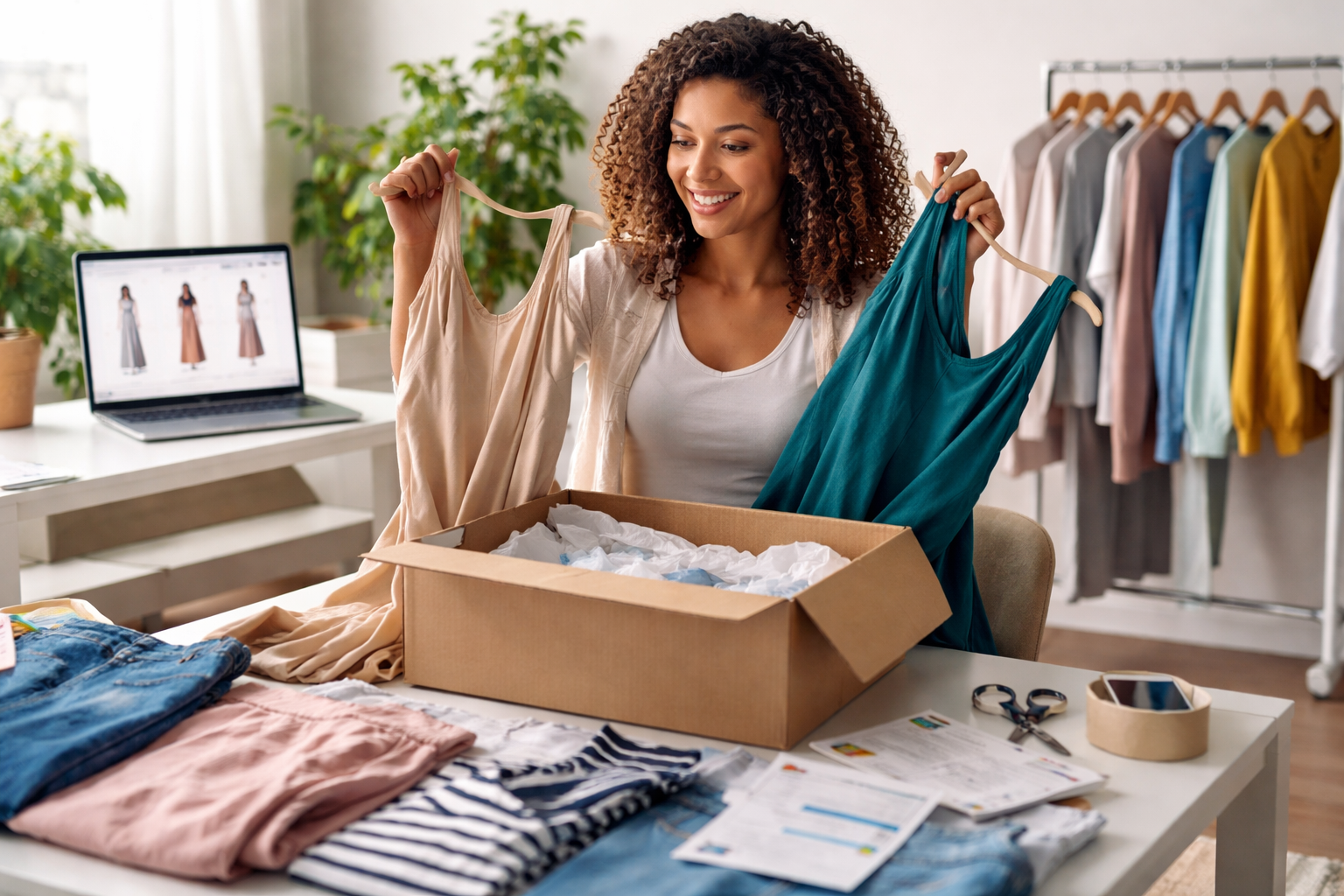
Online shopping has made it easier than ever for customers to compare products, place orders quickly, and return unwanted items from their ecommerce platform of choice. That convenience helps drive conversions, though it also creates a costly behavior that retailers can’t afford to ignore. Ecommerce bracketing accounts for a huge chunk of the estimated $685 billion in returns that consumers place annually. It occurs when a shopper orders multiple versions of the same item, often in different sizes, colors, or styles, expecting most of those items to be returned.
Apparel brands know this pattern well. A shopper may order a dress in two sizes, a jacket in two colors, or three pairs of jeans with plans to keep only one. The customer gets a home fitting room. The retailer gets extra shipments, more return processing, and inventory that may sit in limbo until the return cycle is complete.

At ReadyCloud, we see this as more than a return problem. It’s a visibility, merchandising, and post-purchase problem all at once. Retailers aren’t just dealing with a few extra boxes coming back through the warehouse. They’re dealing with margin pressure, slower resale timelines, increased support volume, and a shopping experience that may not be giving customers enough confidence to choose the first time correctly.
That’s why this topic matters now. Return costs are already squeezing ecommerce operations, especially in apparel and footwear. Add bracketing to the mix, and what looks like a strong order on the front end can quickly become a much thinner win on the back end. Keep reading to learn more.
“The post-purchase experience deserves a seat at the executive table because it affects both brand equity and margin. A better return process can reduce service volume while increasing customer confidence. Clearer shipping communication can lower inbound tickets while improving trust. Faster resolution can protect repeat purchases. Cleaner workflows can reduce stress on teams and make the business easier to scale.” Read Article on Forbes

What is Ecommerce Bracketing?
Bracketing is the practice of ordering several versions of the same product with the intent to compare them at home and return the ones that don’t work. In most cases, the shopper isn’t trying to game the system. They’re trying to reduce uncertainty.
Retailers sometimes treat bracketing as if it starts with customer abuse. In reality, it often starts with a confidence gap. If the sizing isn’t clear, the product photos don’t tell the full story, or reviews leave too many open questions, shoppers create their own safety net. They order more than they need because they don’t fully trust what they’re seeing on the product page.
This is why the answer to what is ecommerce bracketing can’t stop at a basic definition. The real story sits behind the behavior. Online shoppers are trying to solve for fit, quality, and peace of mind before they commit. In physical retail, they’d handle that in a fitting room or compare products in person. In ecommerce, they often solve it with their cart.
Bracketing is especially common in categories where personal preference and fit matter most. Apparel, shoes, denim, shapewear, and seasonal occasionwear all tend to see it more often than standardized goods. Once return-friendly policies are added to the mix, the habit becomes even easier to justify from the shopper’s perspective.
“Your returns policy is actually one of the more influential pages on your website. Research from this UPS Survey finds that as many as 81% of consumers will read your return policy before making a purchase decision.” Read Full Article on Forbes

“E-commerce is as popular as ever before, and the return rates that come with it are growing fast. During the post-holiday period, these figures can spike. Vogue reported that, in December 2024–January 2025, consumers globally sent back $112 billion in merchandise—up 30% compared to the year before.
Every return eats into margins. There’s the cost of shipping, handling, restocking and, in many cases, refunding without recovery. Multiply that across tens of thousands of orders, and the impact is clear: Returns are no longer just an operational inconvenience but a vulnerability. The brands still relying on legacy systems, manual processes or disconnected teams will feel it first.” Read Full Article on Forbes
Ecommerce Bracketing Statistics Retailers Should Know
The numbers around ecommerce bracketing make one thing clear. This isn’t a small returns issue. It’s a major operational and margin challenge, especially for apparel brands selling online. Recent research shows how quickly return behavior can escalate when shoppers face uncertainty around fit, sizing, and product expectations. For retailers, that means bracketing needs to be treated as a measurable business issue, not just a customer service inconvenience.
Start with the headline figure. Recent research finds that the average apparel return rate on Shopify reached around 30% in 2024, with some categories climbing even higher. That’s a striking number on its own, though it becomes even more important when compared with earlier years. In 2020, the average return rate was about 20%, indicating a sharp upward trend over a relatively short period. That increase reflects the broader rise of online shopping, stronger customer expectations for convenience, and the continued normalization of easy returns.
Consumer expectations are a major driver here. Recent research also shows that 96% of shoppers will return items if the process is convenient and hassle-free. That tells retailers something important. Customers aren’t only reacting to the product. They’re also reacting to the experience of returning itself. If sending items back feels easy, shoppers are much more willing to order first and sort things out later. That’s one reason bracketing becomes so common in fashion and other fit-sensitive categories.
Sizing uncertainty remains one of the strongest triggers. Recent research shows that 56% of online shoppers said inconsistent sizing was a primary reason for returns. For apparel brands, that stat matters because it points to a root cause that starts before checkout. Customers aren’t always ordering multiple versions because they want extra choices. In many cases, they’re doing it because they don’t trust that one-size-fits-all selection will be accurate enough.
Return convenience also shapes buyer behavior directly. Another recent study found that 73% of online shoppers say ease of returns is a key factor in their decision to purchase from a retailer. That creates a difficult balance for brands. Easy returns can improve conversion and customer confidence, though they can also make bracketing feel like a low-risk shopping strategy. The better lesson isn’t to make returns harder. It’s to make product pages, size guidance, and post-purchase tools strong enough that customers feel less need to order multiple options in the first place.
The financial impact is just as serious. Data indicates that the average cost to process a return ranges from $10 to $20 once shipping, restocking, and potential product value loss are factored in. That means a bracketed order doesn’t just create more warehouse activity. It can quickly chip away at margins on every item that comes back. Add in the finding that retail returns average 24% across the board, and it’s easy to see why returns strategy has become such an important part of ecommerce profitability.
One of the more interesting takeaways is that shoppers who bracket are often among the highest-value customers. Recent research indicates that these customers tend to shop more frequently and spend more per order. That changes how retailers should think about the issue. Bracketing isn’t simply a customer problem to shut down. It’s often a sign that valuable shoppers want more confidence before committing. Retailers that respond with better fit tools, stronger product content, and smarter returns workflows are much more likely to protect both revenue and loyalty.
Taken together, these statistics paint a clear picture. Apparel return rates are rising. Shoppers are highly motivated by easy returns. Sizing inconsistency keeps fueling uncertainty. And every return carries a real cost. For ecommerce brands, bracketing sits right at the intersection of customer experience and operational pressure. Retailers that measure it closely and respond with better data, better content, and better returns
| Statistic | What Recent Research Shows | Why It Matters For Retailers |
|---|---|---|
| Apparel Return Rate On Shopify | Average apparel return rates on Shopify reached about 30% in 2024, with some categories running even higher. | Returns are consuming margin at a scale retailers can’t treat as routine operational noise. |
| Return Rate Growth Since 2020 | Average apparel return rates were about 20% in 2020, showing a sharp rise over a short period. | Bracketing pressure is increasing as online shopping expands and shoppers expect easier returns. |
| Shoppers Likely To Return With Easy Processes | About 96% of shoppers say they will return items when the process is convenient and hassle-free. | Return convenience supports conversion, though it also makes bracketing more likely in fit-sensitive categories. |
| Inconsistent Sizing As A Return Driver | About 56% of online shoppers say inconsistent sizing is a primary reason for returns. | Poor fit confidence often starts on the product page, leading customers to order multiple sizes to be safe. |
| Ease Of Returns Influences Purchase Decisions | About 73% of online shoppers say easy returns affect where they choose to buy. | Retailers need a better balance between customer-friendly policies and controls that reduce avoidable return volume. |
| Average Cost To Process A Return | Recent estimates place return processing costs between $10 and $20 per item once shipping, restocking, and value loss are included. | Each returned unit can reduce profitability fast, especially when bracketing creates multiple outbound and inbound touches. |
| Average Retail Returns Overall | Retail returns average about 24% across the broader market. | Returns strategy now plays a direct role in protecting profit, inventory flow, and operational efficiency. |
| Bracket Shoppers As High-Value Customers | Shoppers who bracket often buy more frequently and spend more per order than average customers. | Retailers shouldn’t treat bracketing as only a problem to block. It can also signal valuable customers who need more purchase confidence. |
| Overall Takeaway | Return rates are rising, shoppers respond strongly to easy returns, and sizing uncertainty remains a major trigger. | Bracketing sits at the center of customer experience, returns cost, and margin pressure, making better data and stronger post-purchase systems essential. |
“Returns are devastating retailers. In 2024, it was estimated that returns amounted to over $685 billion in lost revenue in the U.S. alone. That’s not just a logistics problem; it’s a significant business challenge.
As the director of sales & strategic partnerships for a company that makes a popular e-commerce returns software solution, I often talk with e-commerce leaders. And one thing I’ve noticed is that some treat returns as an afterthought, something to handle only when it becomes unmanageable. But the most successful brands I’ve worked with view returns differently. They don’t just absorb the cost; they use returns to inform better decisions, boost customer retention and open new doors for growth.” Read Full Aricle on Forbes
Why Shoppers Bracket Their Purchases
Most shoppers don’t wake up looking for ways to create more work for a retailer. They bracket because online buying still leaves room for doubt.
Sizing inconsistency is one of the biggest reasons. A medium in one brand may fit like a small in another. Even within the same brand, cuts and fabrics can change how an item feels on the body. A customer who’s been burned once or twice by an unpredictable fit often learns to hedge the next purchase.
Product pages also play a major role. Clean photos help, though they can’t always show how a garment moves, stretches, or sits on different body types. A short description may mention the material, though it might not explain whether the fit runs slim, relaxed, or oversized in real life. In that situation, shoppers fill in the missing information by adding extra units to the cart.
Free shipping and easy returns further push the behavior. If a customer knows returns are simple and low risk, ordering backups can feel logical. The shopper sees convenience. The merchant absorbs the complexity. Event-driven purchases make this even more common. A customer shopping for a wedding, vacation, holiday, or work event may feel they can’t afford to guess wrong, so they order multiple options to make sure one arrives that works.
There’s also a habit component. Ecommerce has trained shoppers to expect speed, flexibility, and low friction. Bracketing fits neatly into that mindset. It’s not always malicious. Often, it’s a direct response to an online shopping experience that still leaves too many questions unanswered before checkout.

| Bracketing Driver | What It Looks Like In Practice | Why Shoppers Do It | What It Means For Retailers |
|---|---|---|---|
| Sizing Inconsistency | A medium in one brand may fit like a small in another, and fabric or cut changes can affect fit even within the same brand. | Shoppers who have had sizing disappointments often order multiple sizes to reduce the risk of getting it wrong again. | Retailers see more multi-item orders, higher return volume, and added pressure on margins and inventory planning. |
| Unclear Product Pages | Photos and short descriptions may not show how a garment moves, stretches, or fits across different body types. | Customers fill in missing information by adding extra versions of the same item to the cart and comparing them at home. | Weak product detail pages create uncertainty that often turns into avoidable returns and more post-purchase complexity. |
| Free Shipping And Easy Returns | When returns feel simple and low risk, ordering backup sizes or colors can seem like the safest choice. | Shoppers see convenience and flexibility, especially when there is little downside to sending unwanted items back. | The merchant absorbs the cost through return processing, restocking labor, and added reverse logistics activity. |
| Event-Driven Purchases | Customers shopping for a wedding, vacation, holiday, or work event often order several options to make sure one works in time. | They may feel they can’t afford to guess wrong when the purchase is tied to a specific date or occasion. | Time-sensitive buying increases the chance of bracketing and can create sharp return spikes around seasonal peaks. |
| Low-Friction Shopping Habits | Ecommerce has trained shoppers to expect speed, flexibility, and minimal friction throughout the buying process. | Bracketing fits naturally into a shopping mindset shaped by convenience and fast decision-making. | Retailers need to treat bracketing as a response to the online experience, not only as a customer behavior problem. |
| Overall Takeaway | Bracketing usually happens because the online purchase journey still leaves important questions unanswered before checkout. | Customers want more confidence around fit, appearance, and product expectations before they commit to one option. | Brands that improve fit guidance, product content, and post-purchase workflows are better positioned to reduce unnecessary returns. |
The Hidden Cost Of Bracketing For Retailers
Bracketing may begin with a single order, though the cost rarely stays simple. One transaction can turn into multiple outbound items, multiple inbound returns, extra labor, and reduced profit on what looked like a clean sale.
Shipping is the obvious cost, though it’s only one part of the equation. Return processing adds labor for receiving, inspecting, sorting, repackaging, and restocking. Some products come back damaged, worn, incomplete, or out of season. Some can be resold at full price. Others can’t. That gap between original sale value and recovered value is where a lot of margin disappears.
Inventory distortion is another issue. While those extra units are out with the customer, they aren’t available to sell to anyone else. If several shoppers bracket the same popular item or size, stock can look constrained even though a portion of it is likely to be returned. That makes forecasting harder and can create missed sales opportunities.
Customer support teams feel it too. More orders often mean more delivery questions, return requests, refund inquiries, and exchange conversations. Warehouse teams feel the drag during peak periods, especially when seasonal spikes collide with return-heavy categories.
What’s more, bracketing can make topline order metrics look healthier than the actual retained revenue. A brand may celebrate strong order volume, though the net outcome after returns tells a very different story. That’s one reason retailers need to analyze post-purchase performance with the same seriousness they give front-end conversion.
“A great e-commerce experience requires more than competitive prices, a robust selection of goods, fast shipping and easy returns … it takes them all. Today’s consumer mindset has changed. Services like Amazon Prime have set the bar at a higher level, with speedy delivery, low prices, a vast selection and hassle-free returns.” Read Full Article on Forbes
Why Apparel Feels The Pressure First
Apparel returns sits at the center of the bracketing conversation for a reason. Fit is personal. Fabric matters. Cut matters. Color can look different in person than it does on a phone screen. A product page may answer some questions, though it can’t recreate the certainty of trying something on.
That’s why apparel retailers often see the sharpest operational impact from bracketing. The shopper wants confidence. The site may only offer partial reassurance. The gap between those two realities turns into extra units shipped and a higher chance of returns.
ReadyCloud’s own resources have covered this issue through the lens of apparel returns and Shopify return patterns, and the message is consistent. Bracketing isn’t a side behavior in fashion ecommerce. It’s often a built-in response to uncertainty around size, style, and fit. Retailers in this category can’t solve it with policy changes alone. They need stronger product content, better returns intelligence, and a smarter post-purchase workflow that gives customers more confidence before and after they buy.
“Your returns process is one of the most important aspects of conversion rate optimization (CRO) outside of the actual conversion itself. This is because the vast majority of consumers want to know that once they click the “buy” button, they’ll have a method of sending back any purchases that don’t work out. Given that research indicates that a mere 22% of consumers were satisfied with the ease of a recent return experience, ensuring that yours is fully optimized for success is critical.” Read Full Article on Forbes
How Bracketing Affects Operations Beyond Returns
It’s easy to frame bracketing as a return-rate issue, though that view is too narrow. The ripple effects run through the whole operation.
Inventory planning becomes less reliable because demand signals are muddied by intentional over-ordering. A spike in units sold may not reflect true product demand if a meaningful share of those units is expected to come back. Merchandising teams can make the wrong calls if they rely on sales data without sufficient return context.
Fulfillment teams face greater complexity because each bracketed order increases the likelihood of reverse logistics work later. The warehouse doesn’t just ship the sale. It often processes the correction too. That adds touches, labor, and time.
Finance teams see the margin squeeze. Customer service sees the communication volume. Marketing teams may think a campaign performed beautifully, only to learn that retained revenue tells a more modest story after the return window closes.
This is where smarter systems matter. Retailers need visibility into return reasons, product-level patterns, and post-purchase behavior. Otherwise, bracketing stays hidden within broad returns data rather than being treated as a distinct behavior with distinct causes.
How Retailers Can Reduce Bracketing Without Hurting Conversion
Retailers shouldn’t fight bracketing with blunt friction. A clumsy returns policy or a punitive tone can push away good customers fast. A better approach is to reduce the uncertainty that causes the behavior in the first place.
Stronger size guidance is one of the best places to start. Detailed measurements, fit notes, and consistency across product pages can help shoppers commit with more confidence. Reviews are just as important, especially when they include real fit context, such as height, weight, body shape, or whether an item runs large or small.
Product photography needs to do more than look polished. Customers need multiple angles, close-up fabric detail, and context that feels true to real-life wear. Model diversity helps too. A shopper is more likely to trust a purchase if they can see how a garment looks on people with different body types.
Descriptions should answer the questions customers usually ask after the package arrives. Is the material structured or soft? Is the fit cropped, boxy, or close-fitting? Does it stretch? Is it sheer in bright light? The more clearly a product page handles those questions, the less likely a shopper is to order backups just to find out.
Fit tools and guided recommendations can help, especially for brands with enough data to support them. Exchange experiences matter too. If shoppers know they can quickly swap sizes after purchase, they may feel less pressure to order two or three versions upfront.
Return reason data is another underused asset. If one product has an unusually high pattern of size-related returns, the fix may belong on the product page, not inside the return policy. Retailers that treat returns data as a feedback loop can reduce future bracketing without sacrificing customer trust.
“The post-purchase experience shapes your brand just as much as what draws a customer to it before they buy. Branding or advertising begin to shape customer confidence, but the experience that follows checkout influences loyalty more.” Read Article on Fast Company
Why A Smarter Returns Strategy Matters
Bracketing won’t disappear entirely. Some customers will always want options, and some categories will always carry more uncertainty about fit than others. Still, retailers can reduce the impact significantly with a better strategy.
A smart returns approach doesn’t start after the item comes back. It starts with what the customer sees before they click buy. It continues through shipping, delivery, returns, exchanges, and the data generated by each of those steps. That’s the broader opportunity. Returns aren’t just a cost center. They’re a signal.
At ReadyCloud, we believe that signals should inform better decisions across the business. If a product repeatedly drives size-related returns, the product content may need work. If one category sees high exchange demand, the post-purchase flow may need to guide customers more clearly. If certain return patterns are eating into margin, the business needs sharper visibility rather than guesswork.
Retailers don’t need to choose between customer-friendly policies and operational control. The strongest brands are building both. They’re making it easier for shoppers to buy with confidence while giving internal teams better insight into what happens after the sale.
ReadyReturns Helps Retailers Take Control Of Bracketing
Bracketing creates pressure across shipping, returns, support, and inventory. Solving it takes more than a simple return portal or a loose set of policies. It takes connected visibility.
ReadyReturns helps retailers manage the post-purchase experience with more control and more insight. That includes the returns data brands need to spot patterns, improve workflows, and reduce costly friction across the customer journey. Instead of treating every return as a one-off event, retailers can begin to see the broader story behind product-level behavior and customer expectations.
That matters because bracketing is often a symptom rather than the root problem. If customers don’t trust the fit, don’t trust the photos, or don’t trust that an exchange will be easy, they create their own solution. A stronger post-purchase system helps retailers close the confidence gap and make smarter decisions across returns, fulfillment, and customer experience.
The Future of Ecommerce is Now
Staying ahead in the ecommerce industry means embracing innovation and anticipating changes before they arrive. The ecommerce trends shaping 2025 and beyond provide valuable insights into what’s next, but the future also brings exciting new possibilities. Businesses that adapt quickly and leverage the right tools will thrive in this dynamic landscape.
Ready for 2026? ReadyCloud Has You Covered!
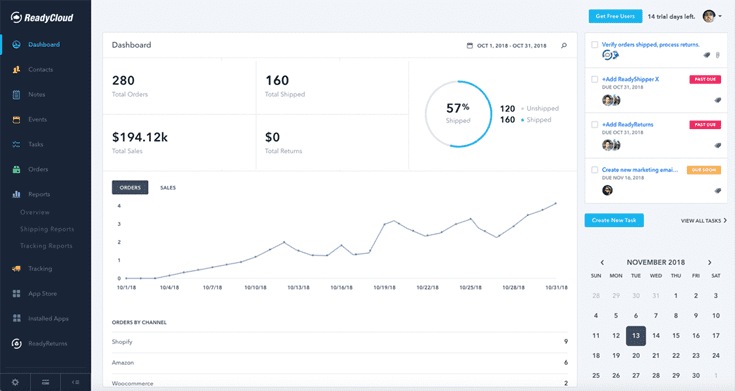
Success in 2026 starts with the right tools, and ReadyCloud’s suite of solutions is designed to propel your ecommerce business to new heights. With ReadyCloud, you’ll have all your data centralized in one place, offering insights that drive smarter decisions. Take your marketing to the next level with Action Alerts, delivering growth-focused, automated campaigns that keep your customers engaged.
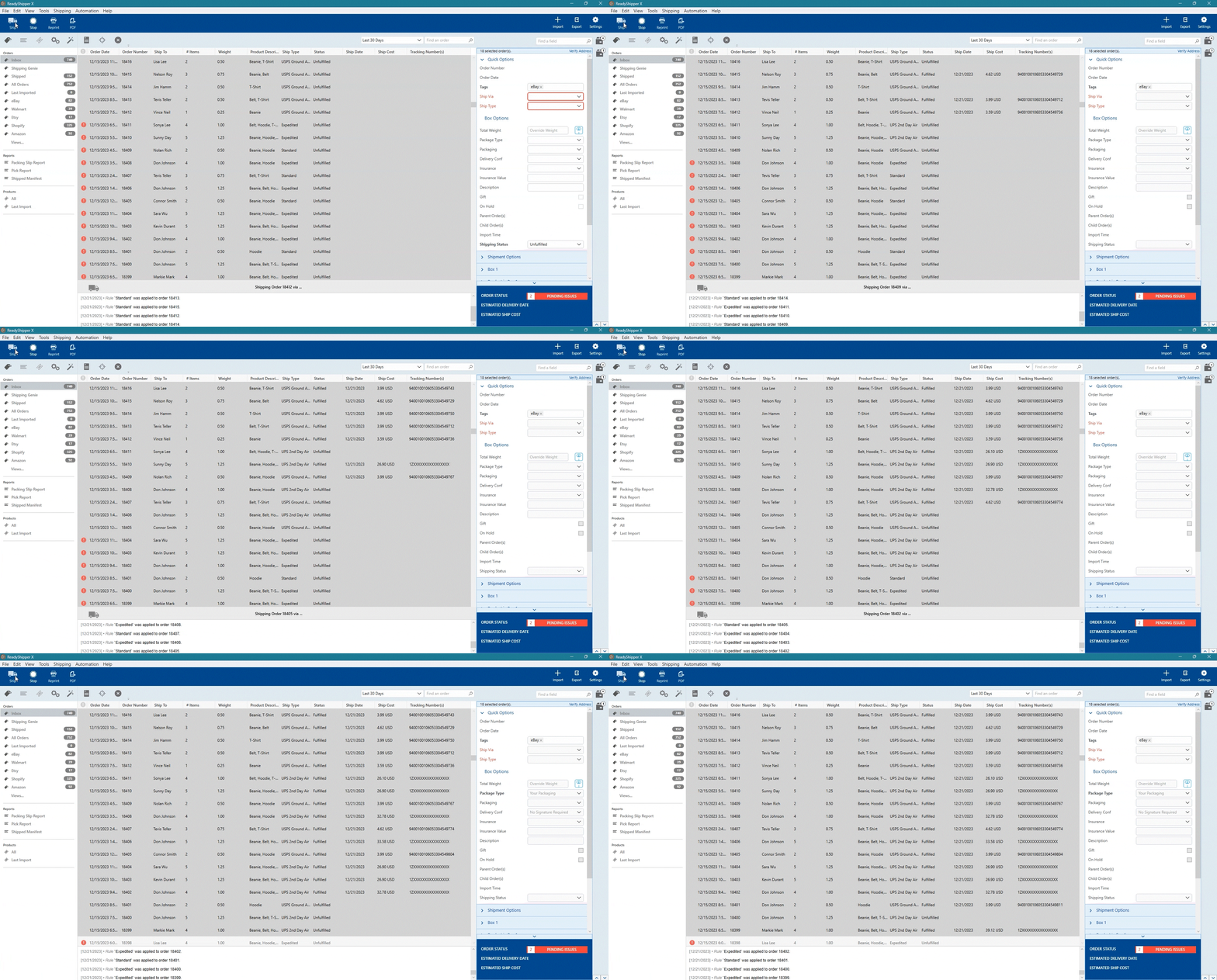
Shipping is easier than ever with ReadyShipper X, a multicarrier solution that simplifies your fulfillment process while saving time and money.
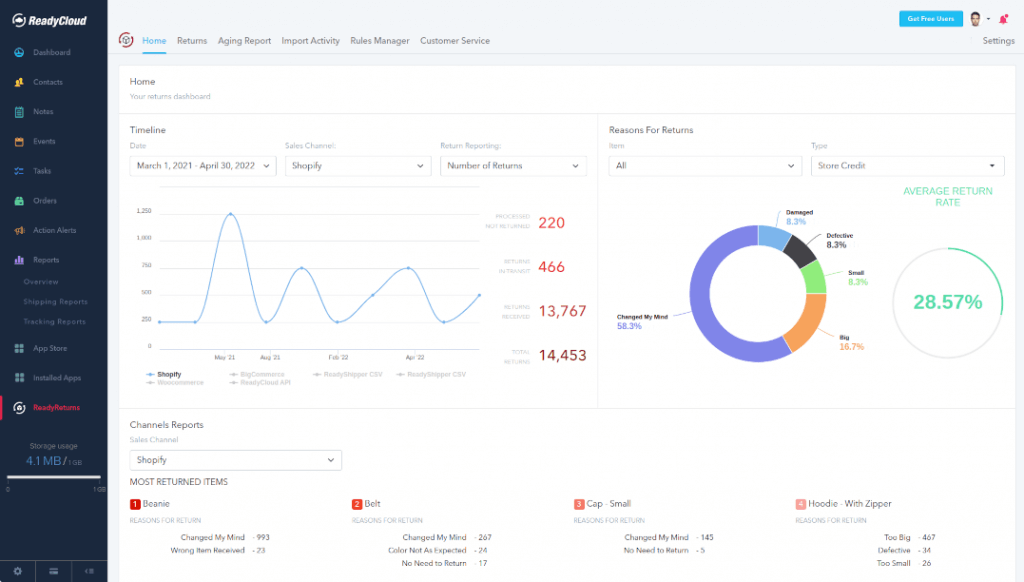
And when it comes to returns, ReadyReturns streamlines the entire process with an automated solution that boosts customer satisfaction and loyalty.
ReadyCloud is more than just a suite of systems—it’s your ticket to thriving in 2025 and beyond!
Start your journey to success today! Learn more and get started here.
Or contact our Sales Department at: 877-818-7447 ext. 1.
FAQs About Ecommerce Bracketing in 2026
What Is Ecommerce Bracketing?
Ecommerce bracketing is when a shopper orders multiple versions of the same product, usually in different sizes, colors, or styles, with the intention of keeping one and returning the rest.
Why Do Customers Use Ecommerce Bracketing?
Most customers do it to reduce uncertainty. They may be unsure about fit, sizing consistency, color, fabric feel, or how the item will look in person.
Is Ecommerce Bracketing The Same As Return Fraud?
No, not usually. Bracketing is often a legitimate shopping behavior tied to uncertainty. Return fraud involves deception or abuse of the return process.
Which Product Categories See The Most Bracketing?
Apparel, footwear, denim, and other fit-sensitive categories tend to see the most bracketing because shoppers often want to compare options at home.
How Does Ecommerce Bracketing Hurt Profit Margins?
It increases shipping costs, return handling labor, restocking work, support volume, and the risk of resale delays or markdowns on returned inventory.
Can Better Product Pages Reduce Ecommerce Bracketing?
Yes. Better-fitting notes, stronger images, richer descriptions, and more helpful reviews can give shoppers enough confidence to order a single option instead of several.
Does Free Return Shipping Encourage Bracketing?
It can. Easy, low-risk returns make it easier for shoppers to justify ordering extra versions of the same item.
How Can Retailers Reduce Ecommerce Bracketing Without Adding Friction?
Retailers can improve sizing guidance, use more realistic product imagery, highlight fit-focused reviews, offer smoother exchanges, and study return reason data for patterns.
Why Should Apparel Brands Pay Special Attention To Bracketing?
Apparel brands feel the effects faster because fit, fabric, and personal preference are harder to judge online. That makes apparel one of the most return-sensitive categories in ecommerce.