Many ecommerce brands still treat tracking as a carrier detail. Customers don’t. The moment an order is placed, the experience shifts from buying to waiting, and that waiting period can shape trust just as much as the product page did. That’s a big deal in 2026, especially with average documented cart abandonment still sitting at 70.22%, with 39% of shoppers leaving because extra costs were too high, and 21% leaving because delivery was too slow. Shoppers are already sensitive to cost and timing before they buy. After checkout, they become even more alert to silence, vague updates, and anything that makes delivery feel uncertain.
At ReadyCloud, we see tracking as part of the full customer experience, not a side feature tucked behind a carrier link. A clean post-purchase flow reassures customers, reduces support strain, and helps brands stay present after the buy button. A weak one creates confusion fast. Our WISMO analysis shows that order-status inquiries often account for 10% to 25% of support contacts during normal periods and can rise to 15% to 40% or more during peak periods. Each interaction can cost roughly $4 to $12 to handle, which means poor visibility can quietly become a recurring expense across support and operations.

“The post-purchase experience deserves a seat at the executive table because it affects both brand equity and margin. A better return process can reduce service volume while increasing customer confidence. Clearer shipping communication can lower inbound tickets while improving trust. Faster resolution can protect repeat purchases. Cleaner workflows can reduce stress on teams and make the business easier to scale.” Read Article on Forbes

What Good Tracking Software Should Actually Do
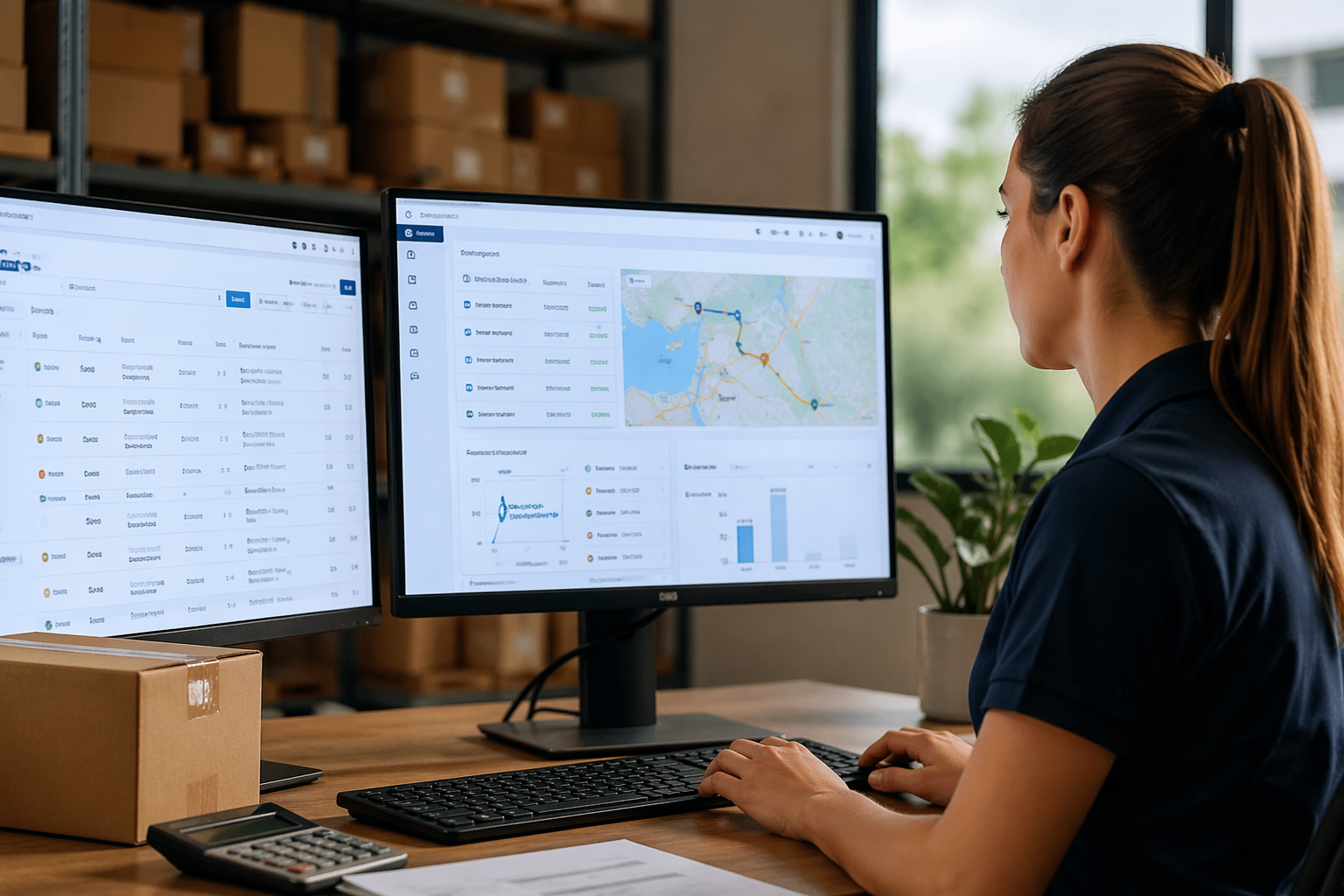
Basic carrier tracking pages were never built to carry your brand experience. They tell customers where a package might be in the carrier network, though they rarely explain the bigger story in a way that feels calm, clear, and useful. A real tracking platform should do more than display scans. It should centralize shipment events, keep status updates consistent, help internal teams see the same timeline, and give customers an easier path to answers before they feel the need to reach out. Being proactive with communication, offering a dedicated self-service tracking page, and clearer expectations are among the most effective ways to reduce these inquiries.
That difference matters because customers pay close attention after they place an order. In fact, 96% of shoppers track their orders when tracking is available, and 43% check tracking daily. Once you look at those numbers, the case for stronger shipment visibility gets a lot clearer. Customers are not checking the tracking once and forgetting about it. They’re checking often, looking for confidence, and making judgments about the brand with every update they see or fail to see.
“Post-purchase is a crucial part of the customer journey, but it often doesn’t get the attention it deserves, especially at the enterprise level. What’s interesting is how many growing e-commerce brands are outshining larger retailers when it comes to what happens after the “buy” button is clicked.” Read Article on Forbes
Why Basic Tracking Links Leave Brands Exposed
The problem with a basic tracking link is not that it exists. The problem is that it leaves too much work unfinished. Customers get pushed off your site and into a generic carrier environment. Support agents still have to jump between systems. Shipment exceptions often go unnoticed until a customer complains. Messaging can feel technical, incomplete, or delayed. None of that creates trust.
That’s especially risky in a shipping environment where costs are already under pressure. Last-mile delivery accounts for about 53% of total shipping costs, meaning inefficiency near the customer is already expensive before support labor is added on top. More carrier options can be great for flexibility, though they also make visibility harder to manage without a stronger central system.
A tracking setup should make the experience feel easier as your operation grows. Too often, brands wind up with the opposite. More orders, more carriers, more exceptions, and more support tickets all pile up around a tracking layer that was never designed to keep pace. That’s one reason our enterprise shipping software article puts so much emphasis on real-time tracking updates, integrations, multi-carrier support, automation, and cleaner workflows. Once volume increases, manual oversight is no longer a realistic option.
“Cloud-based solutions are tethered to the uptime of the service provider, whereas hybrid-cloud solutions mean you can keep shipping packages even if your SaaS provider is experiencing a disruption of service.” – Read Article on Forbes
WISMO Is Usually A Visibility Problem Before It Becomes A Support Problem
Most customers don’t contact support because they enjoy opening tickets. They do it because uncertainty grows fast after checkout. A package may still be moving normally, but if scans stall or communication drops off, the customer’s confidence begins to erode. In many cases, WISMO is not caused by a failed delivery; it’s caused by a failed experience. That framing is central to the way we talk about post-purchase operations at ReadyCloud, because silence almost always creates more stress than a clear update does.
The triggers are familiar. Carrier backlogs, missed scans, split shipments, address issues, warehouse bottlenecks, vague tracking pages, weather delays, and failed delivery attempts can all lead to the same customer question. What makes the difference is how early your team sees the issue and how clearly the customer is kept informed. Only about 11% of packages hit a shipping exception, and about 69.7% of shoppers are less likely to buy again after a delayed package if they are not kept informed. That turns tracking visibility into a retention issue, not just a service issue.

Better Tracking Helps Support Teams Breathe Again
Support teams feel the pain of weak shipment visibility long before leadership sees the full cost. A customer asks where the order is. An agent checks one platform for the order, another for the carrier movement, and maybe a third for notes or prior communication. The answer gets sent, though the customer may return the next day because the story still isn’t clear enough. Multiply that across hundreds or thousands of orders, and the waste adds up quickly.
A better setup changes that pattern. Centralized order timelines, clearer status updates, branded tracking pages, and proactive email or SMS alerts help answer questions before they become tickets. Internal teams also work faster when everyone sees the same shipment history in one place. Salesforce research indicates that 43% of consumers will stop buying from a brand after poor customer service. That number should get every ecommerce team’s attention, because repeated tracking frustrations rarely stay contained within a single support interaction. It spills into loyalty and future revenue.
The Best Tracking Experience Feels Calm, Not Busy
A lot of shipping software gets judged on feature count. Customers judge your tracking experience on whether it answers the right question fast. They want to know whether the order is moving, whether the timeline still looks right, whether there is a delay, and what happens next. That means the strongest experience is not the one with the most noise. It’s the one that removes doubt.
For most brands, that comes down to a handful of practical capabilities. Real-time shipment updates matter. Branded tracking pages matter. Exception alerts matter. Multi-carrier visibility matters. A shared dashboard for support and operations matters. Reporting matters too, because you need to know where delays, service failures, and recurring ticket patterns originate. Of course real-time rate comparisons, automation, multi-carrier support, ERP and ecommerce integrations, and real-time tracking for customers and internal teams. The broader point is simple. Strong operations depend on connected information.
A strong tracking layer should also fit into the rest of the post-purchase journey. It should connect with fulfillment. It should support returns. It should keep customers informed without forcing them to search through confirmation emails, carrier pages, and support threads just to piece together what happened. Tracking is not a separate experience from shipping. It is the customer-facing version of shipping.
“In a perfect world, you’d have the solution you needed in just a few clicks. In reality, not all software accommodates the specific needs of the individual retailer. When creating a balanced shipping strategy for your online business, it’s imperative that you ensure the feature sets you need are in place, so you can fulfill faster and go home early.” – Read Article on Forbes
“Post-purchase is a crucial part of the customer journey, but it often doesn’t get the attention it deserves, especially at the enterprise level. What’s interesting is how many growing e-commerce brands are outshining larger retailers when it comes to what happens after the “buy” button is clicked.” – Read Article on Forbes
Tracking Visibility Supports More Than Delivery Confidence
Revenue conversations often focus on acquisition, conversion, and average order value. Those metrics matter. Still, post-purchase confidence has a direct effect on whether first-time buyers feel comfortable coming back. 60% of millennial consumers make a reactive purchase after feeling FOMO, often within 24 hours. Fast decisions like that create opportunity, though they also make reassurance after checkout even more important. Customers who moved quickly still want proof that they made the right decision.
Returns are part of that same picture. Online return volumes are expected to rise in 2026 to nearly $700 billion. That number makes one thing obvious. Post-purchase workflows don’t stop with outbound tracking. Customers want visibility after delivery too, especially if a return, exchange, or replacement begins. Brands that separate outbound shipment communication from reverse logistics visibility often create the same confusion twice.
“Modern consumers expect transparency. They don’t want to chase tracking links across different carriers or dig through their inbox to figure out when a package is supposed to arrive. They want real-time updates and branded communication that feels consistent with the rest of their shopping experience.
Brands that offer detailed order tracking, SMS updates or branded tracking pages are already ahead of the curve. These shipping intelligence touchpoints show customers that the brand is still involved … even after the sale is complete.” Read Article on Forbes
What Ecommerce Brands Should Look For Before Choosing A Platform
The right platform should not just collect shipment data. It should make that data usable. It should help your team spot delays earlier, answer customers faster, and keep communication consistent across carriers and order types. It should support branded tracking pages, proactive alerts, multi-carrier visibility, centralized timelines, and reporting that shows where friction is building. It should also connect smoothly with ecommerce, shipping, returns, and customer systems so the post-purchase experience does not break apart between tools.
Brands do not need more raw tracking data for its own sake. They need software that turns tracking into clarity. That’s the difference between a system that only reports movement and one that actually improves the customer experience.
“The post-purchase experience shapes your brand just as much as what draws a customer to it before they buy. Branding or advertising begin to shape customer confidence, but the experience that follows checkout influences loyalty more.” Read Article on Fast Company
ReadyCloud Helps Brands Stay Visible After The Buy Button
At ReadyCloud, we believe the customer experience keeps going long after the order confirmation lands. Shipment visibility plays a huge role in whether that experience feels smooth or stressful. That’s why we focus on connected tools that help brands reduce support pressure, improve post-purchase communication, and keep customers informed with less manual work.
For ecommerce teams tired of scattered updates, reactive support, and tracking pages that feel disconnected from the brand, a stronger system can change more than just visibility. It can reduce ticket volume, protect customer confidence, and help operations stay in control as volume grows.
The Future of Ecommerce is Now
Staying ahead in the ecommerce industry means embracing innovation and anticipating changes before they arrive. The ecommerce trends shaping 2025 provide valuable insights into what’s next, but the future also brings exciting new possibilities. Businesses that adapt quickly and leverage the right tools will thrive in this dynamic landscape.
Ready for 2026? ReadyCloud Has You Covered!
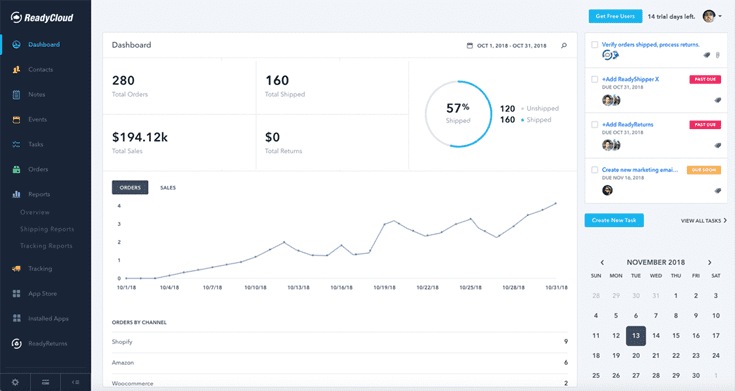
Success in 2026 starts with the right tools, and ReadyCloud’s suite of solutions is designed to propel your ecommerce business to new heights. With ReadyCloud, you’ll have all your data centralized in one place, offering insights that drive smarter decisions. Take your marketing to the next level with Action Alerts, delivering growth-focused, automated campaigns that keep your customers engaged.
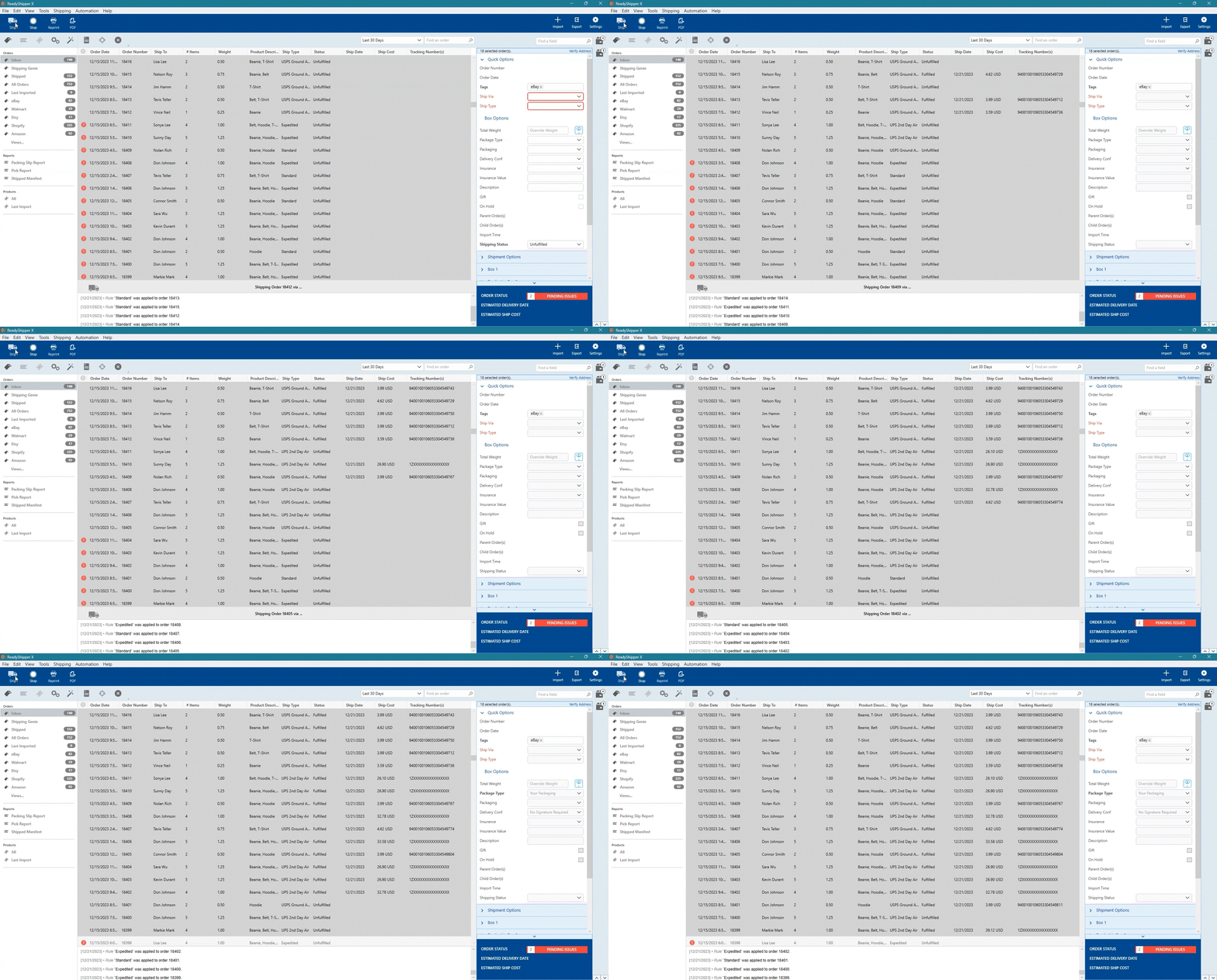
Shipping is easier than ever with ReadyShipper X, a multicarrier solution that simplifies your fulfillment process while saving time and money.
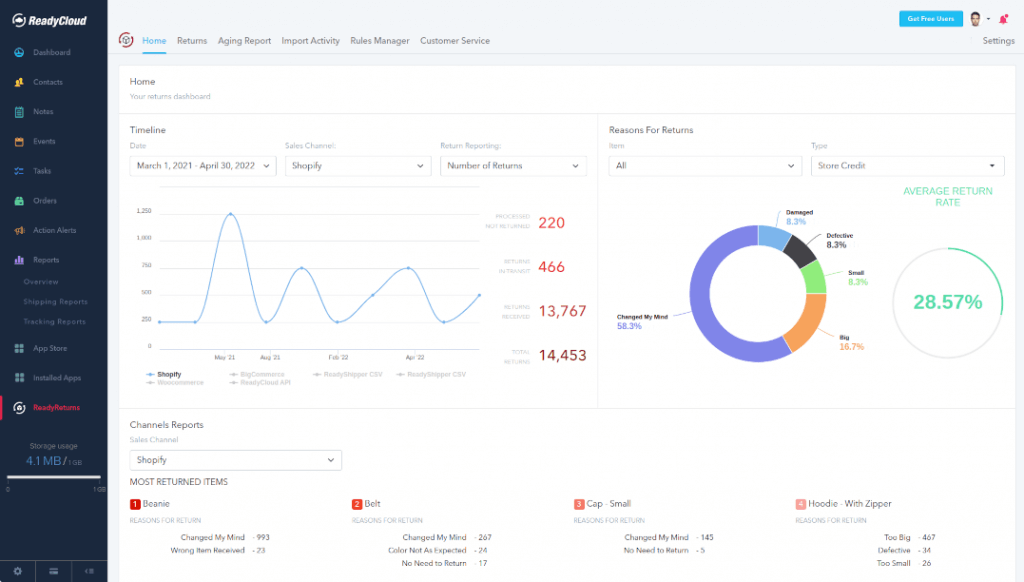
And when it comes to returns, ReadyReturns streamlines the entire process with an automated solution that boosts customer satisfaction and loyalty.
ReadyCloud is more than just a suite of systems—it’s your ticket to thriving in 2026 and beyond!
Start your journey to success today! Learn more and get started here.
Or contact our Sales Department at: 877-818-7447 ext. 1.
FAQs About Shipment Tracking System Software?
What Is Shipment Tracking System Software?
It is software that centralizes shipment updates, delivery milestones, and status visibility so brands and customers can follow orders more clearly after checkout.
How Is It Different From A Basic Carrier Tracking Link?
A carrier link usually shows only package movement. A stronger platform supports branded tracking, proactive communication, internal visibility, and faster issue resolution.
Can It Reduce WISMO Tickets?
Yes. Clear tracking pages, proactive notifications, and better exception visibility help reduce the uncertainty that causes customers to ask where their order is.
Why Does Tracking Matter So Much for Ecommerce Brands?
Customers watch orders closely after checkout, and limited visibility can lead to support costs, frustration, and lower confidence in repeat purchases.
Should Tracking Software Support Multiple Carriers?
Yes. Carrier networks are getting more complex, and stronger multi-carrier visibility helps brands stay flexible while keeping communication consistent.
What Features Matter Most?
Look for real-time updates, branded tracking pages, exception alerts, proactive email or SMS notifications, centralized shipment timelines, and strong integrations.
Can Better Tracking Help Support Teams Work Faster?
Yes. When support and operations share one shipment view, agents spend less time searching for answers and more time solving problems.
Does Tracking Visibility Connect To Returns Too?
It should. Post-purchase confidence includes visibility into outbound delivery and returns, especially as online return volume continues to grow.
Does Better Tracking Help Customer Retention?
Yes. Poor service and weak communication can reduce repeat-purchase intent, while clear post-purchase updates help customers feel the brand remains in control after checkout.